
News
SOUTH AFRICA JOINS THE GLOBAL SCIENTIFIC FRATERNITY IN OBSERVING THE 2026 INTERNATIONAL DAY OF ENGAGEMENT IN SCIENCE FOR SUSTAINABLE DEVELOPMENT
DSTI
27 November 2026
4 min read
Back to all news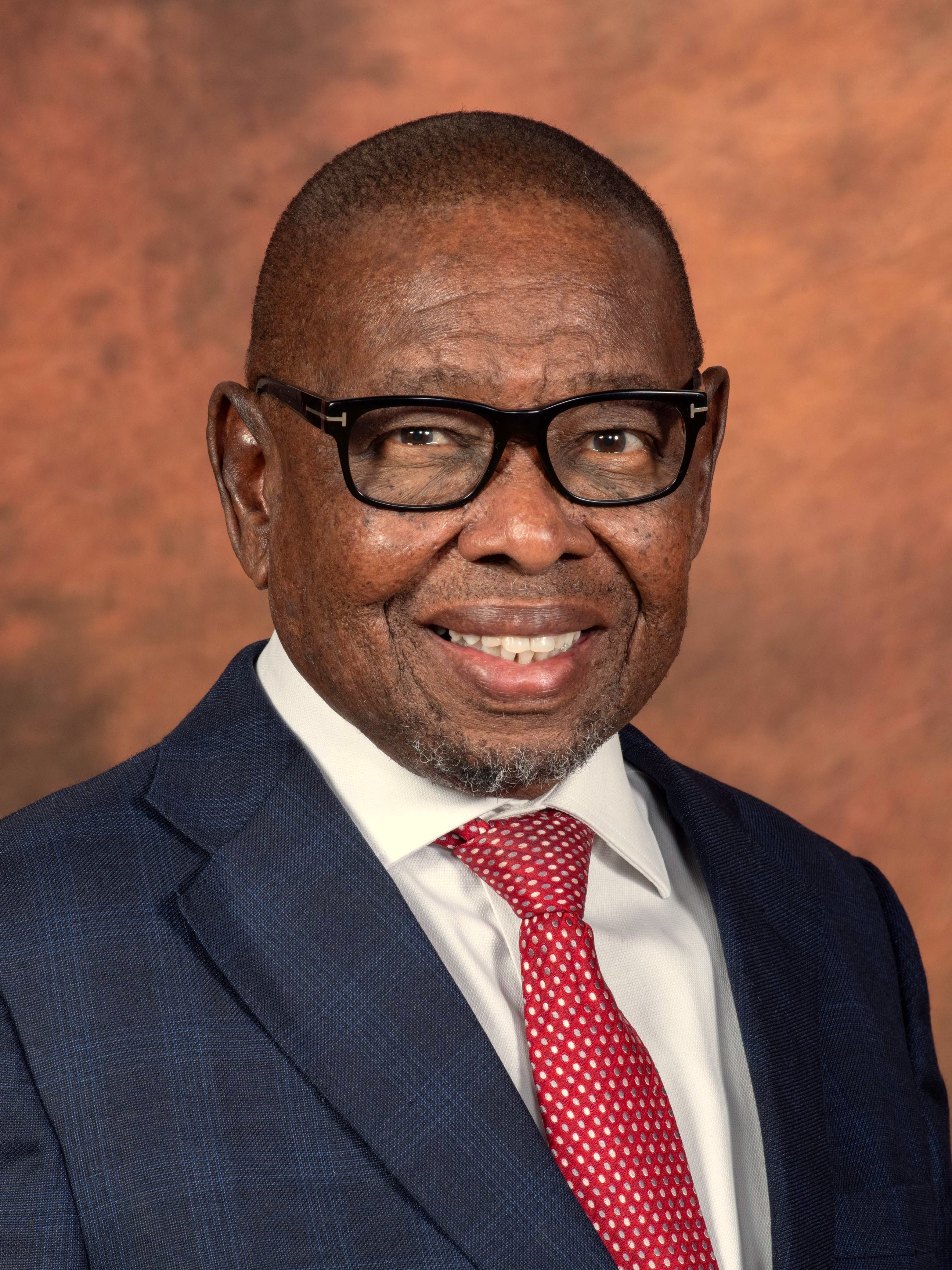
Proclaimed by UNESCO to strengthen the connection between science and society through public participation, this annual observance takes place for the first time on 27 November 2026.
The day directly supports the International Decade of Sciences for Sustainable Development (2024–2033), a global effort led by UNESCO to harness scientific knowledge for human well-being and environmental protection, and to achieve the Sustainable Development Goals.
It treats science as a global common good and moves beyond one-way communication to encourage active, two-way dialogue between researchers and the public.
The observance's core themes include:
* Citizen science;
* Grassroots innovation;
* Science literacy;
* Empowering women and youth; and
* Integrating local knowledge into sustainable solutions.
Reflecting on South Africa's role in advancing this agenda, Minister Nzimande said: “South Africa’s commitment to using science for sustainable development received great impetus during our 2025 G20 Presidency, when Research and Innovation Ministers endorsed the Recommendations on Science Engagement. Built on four pillars, this milestone reinforces our dedication to championing science as a shared global good:
* Open science;
* Education and scientific literacy;
* Public trust and participation; and
* Global leadership.”
The Minister further explained how this aligns with national priorities: “This commitment finds further expression in the guiding mantra of the Department of Science, Technology and Innovation (DSTI): ‘Placing science, technology and innovation at the centre of government, education, industry and society.’
In practice, this means embedding evidence and scientific thinking into every facet of national life, among others by ensuring that:
* Government policies are driven by data and foresight;
* Education equips every learner with the curiosity and skills to thrive in a changing world;
* Industry leverages homegrown innovation to drive sustainable economic growth and job creation; and
* Society as a whole is empowered to participate in, shape and benefit from scientific progress.”
“The DSTI’s mantra is also anchored in the belief that science must not be an elitist enterprise,” Minister Nzimande added.
“Guided by our Science Engagement Strategy, we continue to implement programmes and initiatives aimed at breaking down barriers to make science accessible and tangible. These include:
* National Science Month, building on more than two decades of National Science Week;
* Our network of science centres;
* School programmes; and
* A variety of science engagement activities carried out by the South African Agency for Science and Technology Advancement (SAASTA).”
Highlighting the value of diverse knowledge systems, the Minister noted: “For South Africa, the International Day of Engagement in Science for Sustainable Development is about the realisation that science means the meaningful engagement of broader society with science and its outcomes. Crucially, this means valuing indigenous knowledge systems and fostering respectful dialogue between traditional and modern scientific knowledge to build locally rooted resilience.”
“Towards this end, in the coming days, we will carry this momentum forward through two major events:
* Africa Science Diplomacy Conference (30 November to 1 December 2026): Our country hosts the inaugural conference at the CSIR International Convention Centre in Pretoria, under the theme ‘Science diplomacy with, for and by Africa’.
This gathering will unite policymakers, diplomats and scientists to advance the Science, Technology and Innovation Strategy for Africa (STISA 2034).
* Science Forum South Africa (2 to 4 December 2026): This is our country's premier science gathering. It will further explore how inclusive partnerships and public participation can drive sustainable development across the continent.”
In his closing call to action, Minister Nzimande concluded: “The International Day of Engagement in Science for Sustainable Development is a powerful reminder that science is a fundamental public good, one that must be accessible to all and connected to people’s everyday lives.
“Inspired by this belief, I wish to make a renewed call to our scientists, educators, universities, science councils, industry and civil society to intentionally amplify the voices of young people, women, persons with disabilities, and residents of rural and underserved areas. Their lived realities and perspectives are not peripheral; they are essential to shaping research agendas and crafting resilient, practical solutions for our country and continent. Together, let us harness science, technology and innovation as a force for the public good, building a resilient, inclusive South Africa, a thriving Africa and a better world.”
Media Enquiries:
Mr Veli Mbele (Media Liaison Officer and Spokesperson to the Minister)
Mobile: 064 615 0644
Email: Veli.Mbele@dsti.gov.za
ISSUED BY THE MINISTRY OF SCIENCE, TECHNOLOGY AND INNOVATION
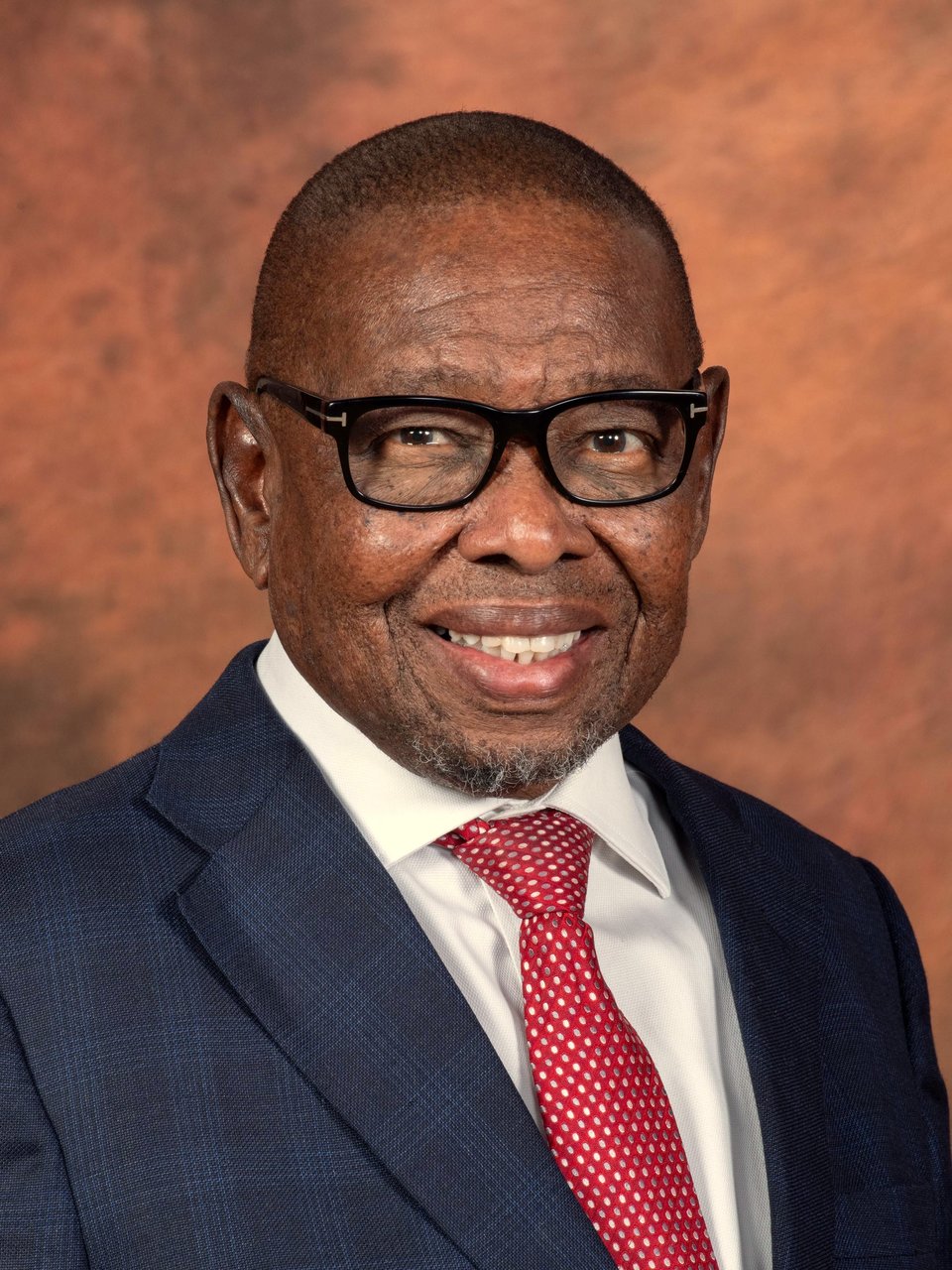
The Minister of Science, Technology and Innovation, Prof Blade Nzimande, joins the international scientific fraternity in observing the inaugural International Day of Engagement in Science for Sustainable Development.
Proclaimed by UNESCO to strengthen the connection between science and society through public participation, this annual observance takes place for the first time on 27 November 2026.
The day directly supports the International Decade of Sciences for Sustainable Development (2024–2033), a global effort led by UNESCO to harness scientific knowledge for human well-being and environmental protection, and to achieve the Sustainable Development Goals.
It treats science as a global common good and moves beyond one-way communication to encourage active, two-way dialogue between researchers and the public.
The observance's core themes include:
* Citizen science;
* Grassroots innovation;
* Science literacy;
* Empowering women and youth; and
* Integrating local knowledge into sustainable solutions.
Reflecting on South Africa's role in advancing this agenda, Minister Nzimande said: “South Africa’s commitment to using science for sustainable development received great impetus during our 2025 G20 Presidency, when Research and Innovation Ministers endorsed the Recommendations on Science Engagement. Built on four pillars, this milestone reinforces our dedication to championing science as a shared global good:
* Open science;
* Education and scientific literacy;
* Public trust and participation; and
* Global leadership.”
The Minister further explained how this aligns with national priorities: “This commitment finds further expression in the guiding mantra of the Department of Science, Technology and Innovation (DSTI): ‘Placing science, technology and innovation at the centre of government, education, industry and society.’
In practice, this means embedding evidence and scientific thinking into every facet of national life, among others by ensuring that:
* Government policies are driven by data and foresight;
* Education equips every learner with the curiosity and skills to thrive in a changing world;
* Industry leverages homegrown innovation to drive sustainable economic growth and job creation; and
* Society as a whole is empowered to participate in, shape and benefit from scientific progress.”
“The DSTI’s mantra is also anchored in the belief that science must not be an elitist enterprise,” Minister Nzimande added.
“Guided by our Science Engagement Strategy, we continue to implement programmes and initiatives aimed at breaking down barriers to make science accessible and tangible. These include:
* National Science Month, building on more than two decades of National Science Week;
* Our network of science centres;
* School programmes; and
* A variety of science engagement activities carried out by the South African Agency for Science and Technology Advancement (SAASTA).”
Highlighting the value of diverse knowledge systems, the Minister noted: “For South Africa, the International Day of Engagement in Science for Sustainable Development is about the realisation that science means the meaningful engagement of broader society with science and its outcomes. Crucially, this means valuing indigenous knowledge systems and fostering respectful dialogue between traditional and modern scientific knowledge to build locally rooted resilience.”
“Towards this end, in the coming days, we will carry this momentum forward through two major events:
* Africa Science Diplomacy Conference (30 November to 1 December 2026): Our country hosts the inaugural conference at the CSIR International Convention Centre in Pretoria, under the theme ‘Science diplomacy with, for and by Africa’.
This gathering will unite policymakers, diplomats and scientists to advance the Science, Technology and Innovation Strategy for Africa (STISA 2034).
* Science Forum South Africa (2 to 4 December 2026): This is our country's premier science gathering. It will further explore how inclusive partnerships and public participation can drive sustainable development across the continent.”
In his closing call to action, Minister Nzimande concluded: “The International Day of Engagement in Science for Sustainable Development is a powerful reminder that science is a fundamental public good, one that must be accessible to all and connected to people’s everyday lives.
“Inspired by this belief, I wish to make a renewed call to our scientists, educators, universities, science councils, industry and civil society to intentionally amplify the voices of young people, women, persons with disabilities, and residents of rural and underserved areas. Their lived realities and perspectives are not peripheral; they are essential to shaping research agendas and crafting resilient, practical solutions for our country and continent. Together, let us harness science, technology and innovation as a force for the public good, building a resilient, inclusive South Africa, a thriving Africa and a better world.”
Media Enquiries:
Mr Veli Mbele (Media Liaison Officer and Spokesperson to the Minister)
Mobile: 064 615 0644
Email: Veli.Mbele@dsti.gov.za
ISSUED BY THE MINISTRY OF SCIENCE, TECHNOLOGY AND INNOVATION