
Minister Nzimande calls for African-led genomic research to improve public health
Scientists, researchers and African genomics leaders from around the world gathered in Pretoria from 7 to 9 October 2026 for a meeting on harnessing African genetic diversity as a global resource for public health.
The three-day meeting, organised by the International Centre for Genetic Engineering and Biotechnology (ICGEB) and the Council for Scientific and Industrial Research (CSIR), in partnership with the Department of Science, Technology and Innovation (DSTI), showcased the latest developments in African genomic research and explored gaps and opportunities.
The meeting follows South Africa's G20 Presidency in 2025, during which the Research and Innovation Working Group identified the need to build African science capacity to understand Africa's human genetic diversity better and harness it as a resource for improving public health in Africa and globally.
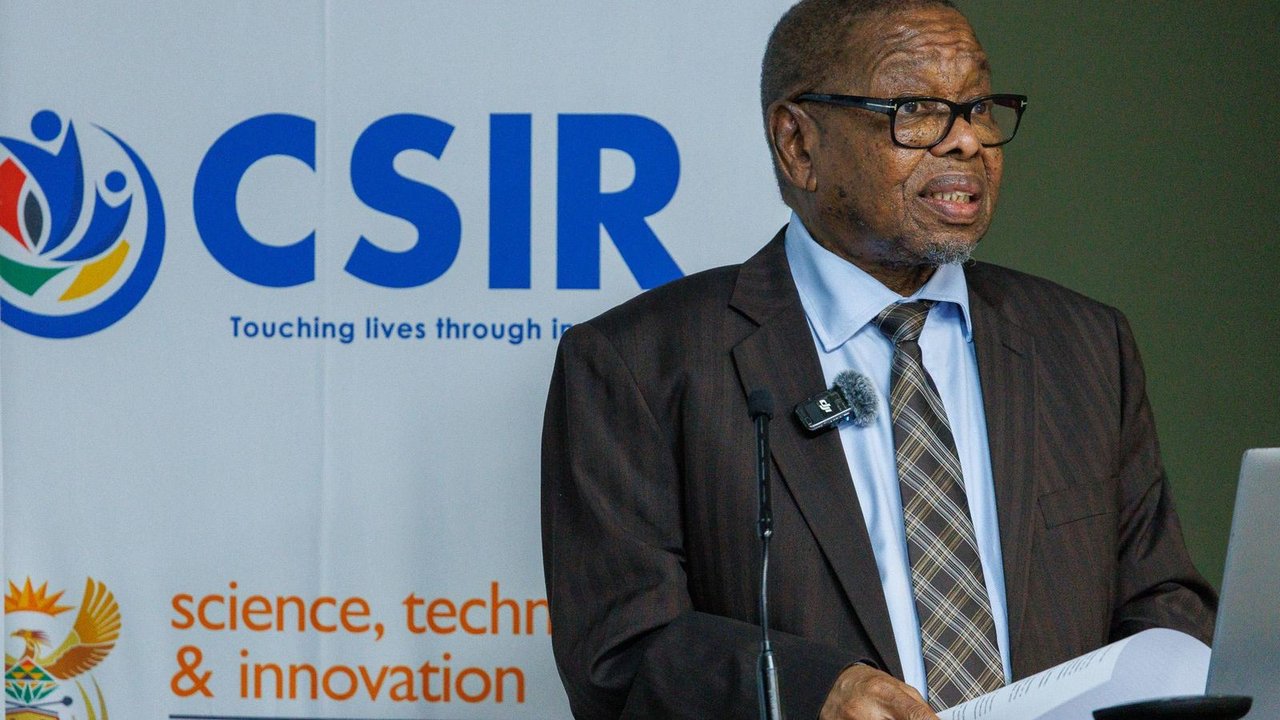
Addressing the meeting on the first day, the Minister of Science, Technology and Innovation, Prof. Blade Nzimande, called for greater investment in African genomic research and stronger scientific partnerships to enable African researchers to lead research and develop solutions in response to the continent's health needs.
Nzimande said Africa had the greatest human genetic diversity of any continent, but African populations remained under-represented in global genomic research. This limited the understanding of genetic differences that could help scientists develop more effective medicines, vaccines and diagnostic tools for African populations.
He said that medicines were often prescribed to African populations after clinical trials and genetic studies had been conducted elsewhere, predominantly among people of European ancestry.
According to the Minister, this approach could overlook genetic differences between populations and contribute to reduced drug effectiveness, adverse reactions and inappropriate dosages. A better understanding of African genetic diversity could help researchers address diseases such as malaria, tuberculosis and HIV, as well as non-communicable illnesses like cardiovascular diseases and diabetes.
The Minister stressed that Africa should not only participate in advances in genomics, but also help shape and lead the research.
"We must move from 'research in Africa' to 'research with Africa and led by Africa'," said Nzimande.
He said this would require sustained investment in African researchers, laboratories, computing capacity and the skills needed to generate and analyse genomic data. It would also require ethical and regulatory systems to ensure that genomic information was managed responsibly.
Nzimande said stronger research capacity would enable African countries to set their own research priorities, retain scientific expertise and develop technologies suited to local needs. It would also allow the continent to engage in international scientific partnerships on fairer terms.
He said the meeting provided an opportunity for practical action to meet the commitments made during South Africa's G20 Presidency, by strengthening research capacity, connecting institutions across Africa, and building partnerships that support a more balanced global research system.
The Minister noted that the CSIR was already contributing to African genomic research and precision medicine, including efforts to integrate African genetics into drug development and build clinical multi-omics resources to support precision medicine suited to African populations.
He explained that the DSTI would continue to support the infrastructure, skills, partnerships and advanced capabilities needed for South Africa to contribute to scientific challenges facing the continent and the world.
Nzimande called for a continental network of research institutions that would share knowledge, methods and infrastructure, connect established institutions with emerging centres, and create opportunities for young African scientists to build their careers at home. He emphasised that the success of genomic research should be measured by its contribution to public health.
"Success cannot be measured only by the number of genomes sequenced. It must be measured by what those genomes enable us to do: prevent disease, improve care, generate knowledge and build technologies that respond to African priorities," he said.
The Minister called on governments, universities, research councils, hospitals, laboratories, technology and biotechnology companies, funding agencies and international partners to work together to build an African-led genomic research ecosystem.
He urged participants to use the meeting to establish concrete partnerships, develop shared scientific platforms, secure sustained investment in African researchers and institutions, and agree on a clear programme of action. Such efforts, he said, would help strengthen African scientific capacity and ensure that genomic research contributed to improved health outcomes for the continent and the world.
The DSTI's Deputy Director-General: International Cooperation and Resources, Mr Daan du Toit, described the meeting as an important milestone for the Department, as it put the legacy of South Africa's G20 Presidency into action and advanced the African scientific agenda.
He expressed appreciation to experts from across Africa and international partners attending the meeting, adding that South Africa remained committed to international scientific cooperation and was open to working with partners across the world while pursuing its own and the continent's scientific agenda.
Du Toit highlighted the importance of strengthening Africa's scientific capabilities and ensuring that international scientific cooperation responded to the continent's priorities and societal needs.
He said the report on the interface between geopolitics and science, released by Minister Nzimande for public comment the previous week, highlighted the importance of South Africa's continued participation in international scientific cooperation, while ensuring that Africa took ownership of its scientific agenda.
"This gathering presents both an opportunity and an obligation for Africa to invest in its own scientific capabilities and priorities, which was also one of the key objectives of the survey and consultation process," he said.
Acknowledging Minister Nzimande's leadership in shaping the science and innovation priorities under South Africa's G20 Presidency, Du Toit explained that the Minister had challenged the initial priorities of the Research and Innovation Working Group to reflect Africa's needs better, particularly in regard to the health sciences and underinvestment in research on Africa's human genomic diversity.
The ICGEB's Director-General, Dr Lawrence Banks, emphasised the importance of the meeting in advancing research on Africa's genetic resources, saying, "Africa possesses unique and extraordinary resources. The continent's genetic diversity is unparalleled and represents a hidden treasure. There are enormous opportunities for scientific discovery and innovation through understanding, analysing and interpreting this diversity, particularly in areas related to human health."
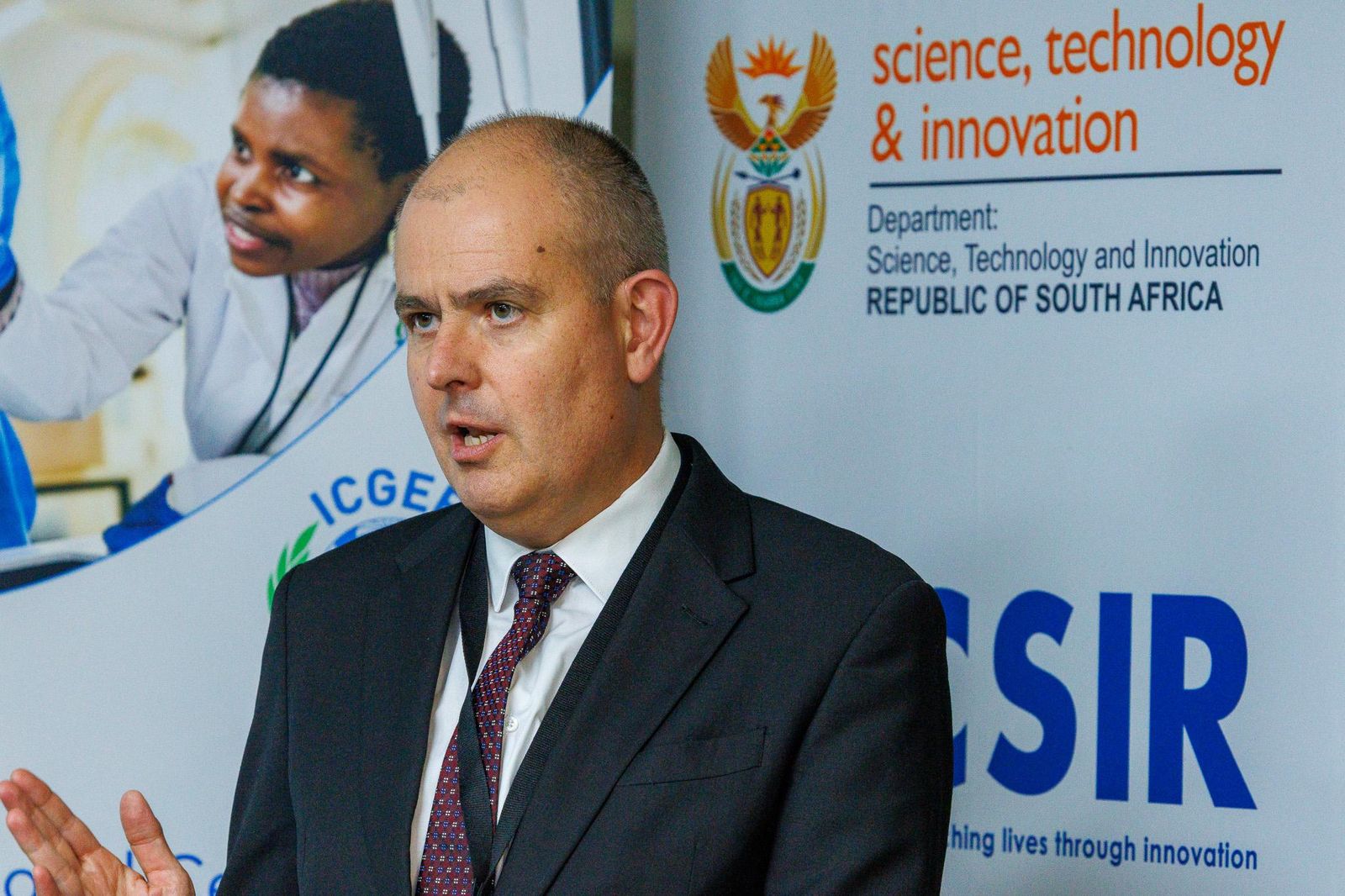
Banks stressed that the critical issue, however, was ensuring that the studies, analyses and interpretation of genetic data were conducted in Africa, and that the necessary capacity and capability were built on the continent. "When that happens, ownership of the data and decisions about its use remain in African hands and serve African interests," he said.
Dr Thulani Dlamini, CEO of the CSIR, highlighted the CSIR's longstanding contribution to South Africa's development through science, technology and innovation, and its work to improve the lives of the country's people.
He also mentioned the recent launch of the Future Pharma Facility by President Cyril Ramaphosa as an important milestone in strengthening South Africa's capacity to develop and manufacture pharmaceutical products locally.
"I believe today's gathering is built on a simple but profound conviction: Africa's extraordinary genetic diversity is not only a heritage to be preserved, but also a living and dynamic resource that holds transformative answers to some of the most pressing public health challenges of our time. Unlocking these answers requires precisely the kind of collaborative spirit that fills this room today," noted Dlamini.
Dlamini told the meeting that he saw Africa's exceptional genetic diversity as a strategic scientific resource that held significant potential to advance genomics, precision medicine and global health. However, he said, the underrepresentation of African populations in global genomic research had limited the development of medicines, diagnostic tools and treatments that responded effectively to African patients' needs.
He stated that the CSIR was working with African and international partners to strengthen scientific infrastructure, institutional capacity and research collaboration.
He emphasised the importance of equitable international partnerships, skills development and African-led research to ensure that the continent developed the capacity to translate scientific discoveries into technologies, products and solutions to improve health outcomes. He reaffirmed the CSIR's commitment to working with the ICGEB and other partners to strengthen Africa's contribution to global biomedical research and ensure that its benefits reached African communities.
The meeting also heard about current initiatives on the continent and discussed the landscape of human genomics research in Africa, unlocking the value of African genomics, leading African genomics research initiatives, building capacity for genomics research in Africa, and developing a roadmap for the next steps.