
Rural South Africa is untapped economic wealth, says Dr Gina
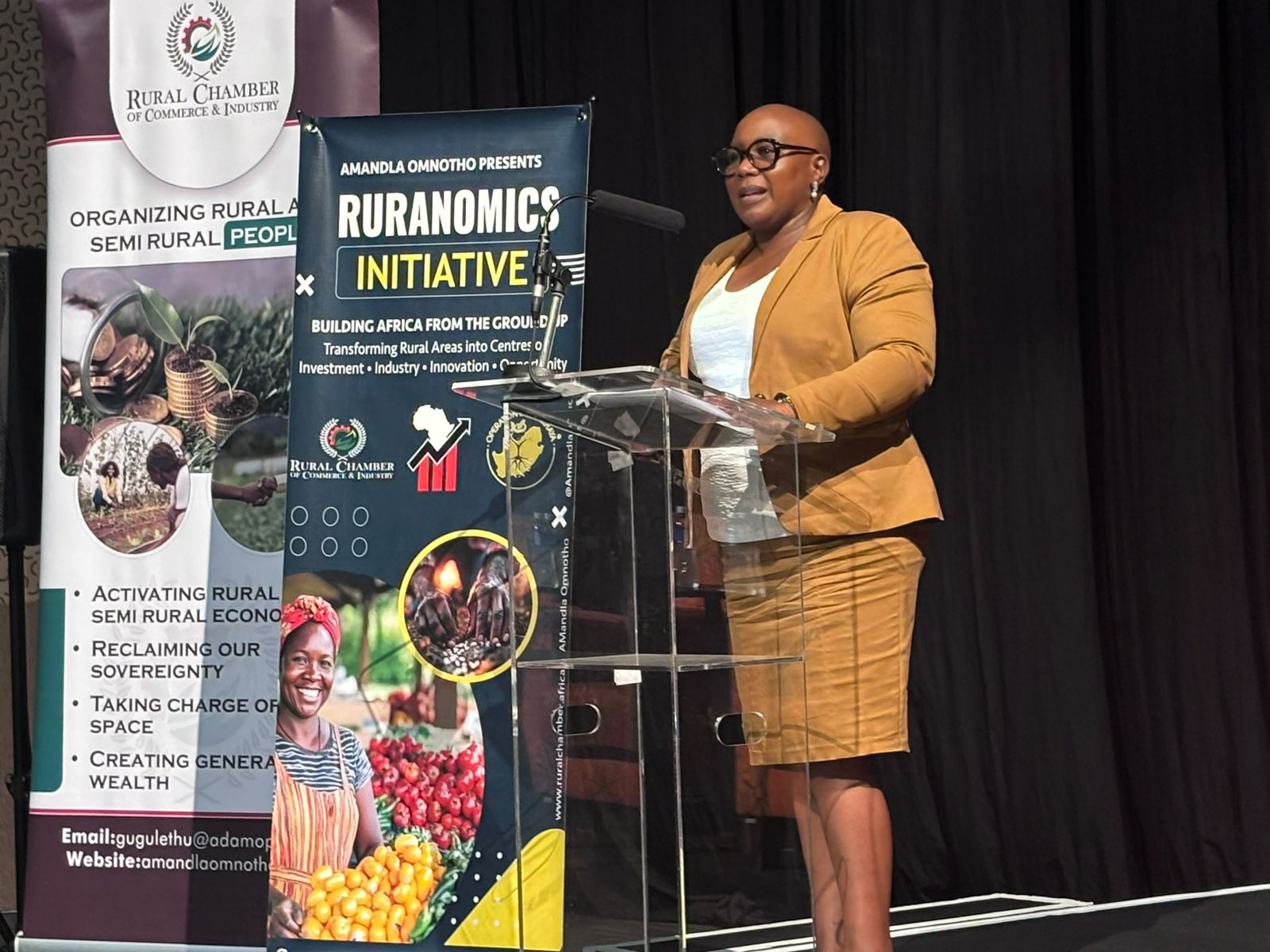
The caption: The Deputy Minister of Science, Technology and Innovation, Dr Nomalungelo Gina, has called for a decisive shift in how South Africa understands and invests in rural communities, saying rural areas must no longer be treated as the margins of the economy but as powerful engines of inclusive growth, production and innovation.
The Deputy Minister of Science, Technology and Innovation, Dr Nomalungelo Gina, has called for a decisive shift in how South Africa understands and invests in rural communities, saying rural areas must no longer be treated as the margins of the economy but as powerful engines of inclusive growth, production and innovation.
The Deputy Minister was delivering the keynote address during the opening of the two-day Amandla Omnotho Grand Economic Conference. Now in its 10th year, the Amandla Omnotho is dedicated to fostering localised value chains, specifically in agriculture, and helping emerging entrepreneurs in the poultry and farming sectors.
Themed “RURANOMICS - Unlocking Rural Economic Power for Inclusive Growth”, the 2026 conference places rural economies at the centre of inclusive growth and positions innovation as a practical tool for creating jobs, building competitive enterprises, improving market access and driving development in areas that have historically been left behind.
Deputy Minister Gina said the country’s next economic breakthrough will not come only from cities, metros and established industrial centres, but also from villages, farms, small towns, mining communities, coastal settlements and inland corridors where untapped productive potential already exists.
“Rural South Africa does not need to be saved. It needs to be connected to capital, markets, technology and the policy courage that matches its people’s ambition,” said Deputy Minister Gina.
The conference heard how rural communities sit on major national assets, including agricultural land, livestock, mineral wealth, biodiversity, cultural heritage, indigenous knowledge, tourism opportunities and entrepreneurial talent. However, these assets have too often been described through the language of poverty, need and dependency rather than through their potential to generate value, jobs and long-term prosperity.
Dr Gina said the Department of Science, Technology and Innovation (DSTI) has a central role to play in changing this trajectory by ensuring that science, technology and innovation reach rural communities.
She highlighted DSTI-supported interventions such as agricultural biotechnology, agro-processing support, grassroots innovation programmes, smart village pilots and indigenous knowledge systems as examples of how innovation can open new opportunities for smallholder farmers, rural SMMEs, women, youth and community-based enterprises.
Through its Agriculture Bio-economy Innovation Partnership Programme, the DSTI has supported the development of new products, prototypes and services that can strengthen rural enterprises and create new market opportunities. In the past financial year, the programme supported seven technology prototypes, 28 product developments, four agro-processing product demonstrations and one digital agriculture application, with several products handed over to SMMEs. In total, 16 SMMEs benefited from this support.
The Department also supported a mobile kitchen unit prototype through the Promoting Agro-processing in Low-income Communities project. Ten fully equipped mobile kitchen carts were produced and distributed to women entrepreneurs in Limpopo, Mpumalanga and North West to help small-scale food enterprises improve production, quality and access to markets.
“The future of South Africa’s economic growth will be built wherever innovation meets opportunity, wherever talent meets investment, and wherever communities are empowered to create value from their own resources,” said Deputy Minister Gina. “In doing so, we will not only unlock economic growth but also create dignity, opportunity and prosperity for generations to come.”
Mr Xaba said Amandla Omnotho was helping to build an entrepreneurial culture by encouraging people to innovate, create, develop and inspire others. He said South Africa and the continent needed to reset and embrace Operation Buyelekhaya, a call for people to return home, take responsibility for local development and build economic value from within their own communities.
Mr Dumisani Nhlengthwa, Agribusiness Development Facilitator at eThekwini Municipality, added that local production and consumption must be more closely aligned if rural economies are to become sustainable and competitive.
The conference continues with discussions on how science, technology and innovation can support rural economic activation, including artificial intelligence for rural economies, digitalisation, intra-African trade, bio-energy solutions and commercialisation, among others.
The event ends tomorrow, on Friday, 26 June, with the presentation of awards recognising excellence in rural assets and economic transformation.
Mr Gugulethu Xaba, President of Amandla Omnotho, welcomed delegates to the Amandla Omnotho Great Economic Conference 2026, saying it was about inculcating entrepreneurship, encouraging people to become innovators, creators and developers while inspiring others to do the same.
ISSUED BY THE MINISTRY OF SCIENCE, TECHNOLOGY AND INNOVATION
For media enquiries: please contact Veronica Mohapeloa at 083 400 5750 or This email address is being protected from spambots. You need JavaScript enabled to view it.
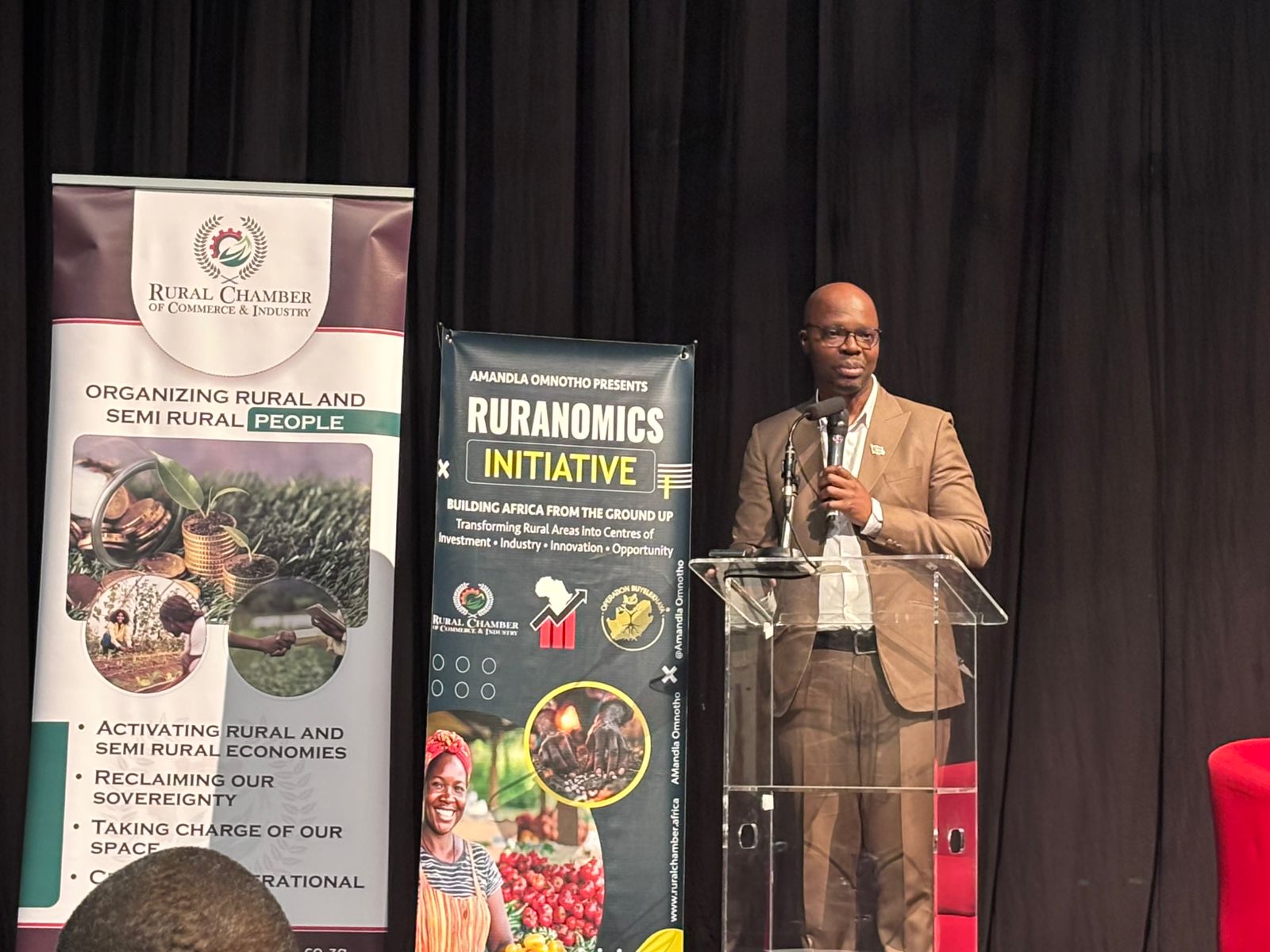
Mr Gugulethu Xaba, President of Amandla Omnotho, welcomed delegates to the Amandla Omnotho Great Economic Conference 2026, saying it was about inculcating entrepreneurship, encouraging people to become innovators, creators and developers while inspiring others to do the same.