
South Africa and Germany commemorate 30 years of collaboration in science, technology and innovation
As the Department of Science, Technology and Innovation (DSTI) prepares for its Budget Vote presentation on Friday, it will continue advancing a national science diplomacy agenda to promote South Africa's strategic interests in international science, technology and innovation (STI) partnerships, align with foreign policy objectives, and maximise benefits from global trade and investment. This commitment was underscored last week when South Africa marked 30 years of collaboration with Germany in STI.
The anniversary event, held in Pretoria on 5 May 2026, highlighted this longstanding and fruitful cooperation, built on a shared commitment to advancing knowledge, driving innovation and supporting sustainable development.
The collaboration has changed lives on both sides and provided a framework for joint research and capacity-building initiatives.
From researcher training and mobility to radio astronomy and environmental science projects, the partnership has shaped scientific and technological progress over the past three decades. Other areas of cooperation include renewable energy, climate science, biotechnology, astronomy, digital innovation, health sciences, marine research, advanced manufacturing and skills development.
Reflecting on 30 years of impact, Mr Daan du Toit, DSTI Deputy Director-General of International Cooperation and Resources, attributed the success of the partnership to three things.
Firstly, the partnership has played a unique role in connecting South African and German scientific excellence. Secondly, it has decisively responded to the key societal challenges and the economic and social realities that both countries share. Thirdly, in terms of science diplomacy, cooperation is an important part of the two countries' entire economic and political relationship.
Mr Du Toit said that it is important to reflect on how far the partnership has come since 1996, only two years after South Africa's first democratic elections that marked the end of apartheid. He noted that it was symbolic that one of the earliest international partnerships forged when South Africa re-entered the global community was the science and innovation cooperation agreement with Germany.
"I think we should acknowledge that this cooperation played a role in helping South Africa continue to engage with global science," said Mr Du Toit.
Germany is one of South Africa's key strategic partners in science and innovation, with the partnership driven by a shared vision of knowledge exchange, strengthened research capacity and sustainable development.
The event also recognised the contribution of universities, research councils, innovation agencies and scientific institutions that have played an important role in sustaining cooperation between the two countries.
One example of a successful research exchange and mobility programme is the German Academic Exchange Service (DAAD), a government agency that supports international academic cooperation with other countries.
DAAD's dedicated programmes aim to increase educational cooperation in areas such as staff development, institutional building, support for regional African networks, higher education, and the promotion of inter-university cooperation. Its programmes offer research grants for master's and doctoral candidates and young academics, which give young South African academics and scientists the opportunity to carry out research projects with their counterparts in Germany.
DAAD has an office at University of the Witwatersrand and signed a memorandum of understanding with the National Research Foundation (NRF) in 2021. The agreement extends the DAAD-NRF Joint Scholarship Programme, which has supported South African master's and PhD students at local universities for over a decade.
"Certainly, the exchange programmes have been an outstanding success of the bilateral cooperation. It has been that investment in people and, I believe if this cooperation is very strong, it is also because we now have a huge network of alumni – both South African and German scientists who have benefited from it," highlighted Mr Du Toit.
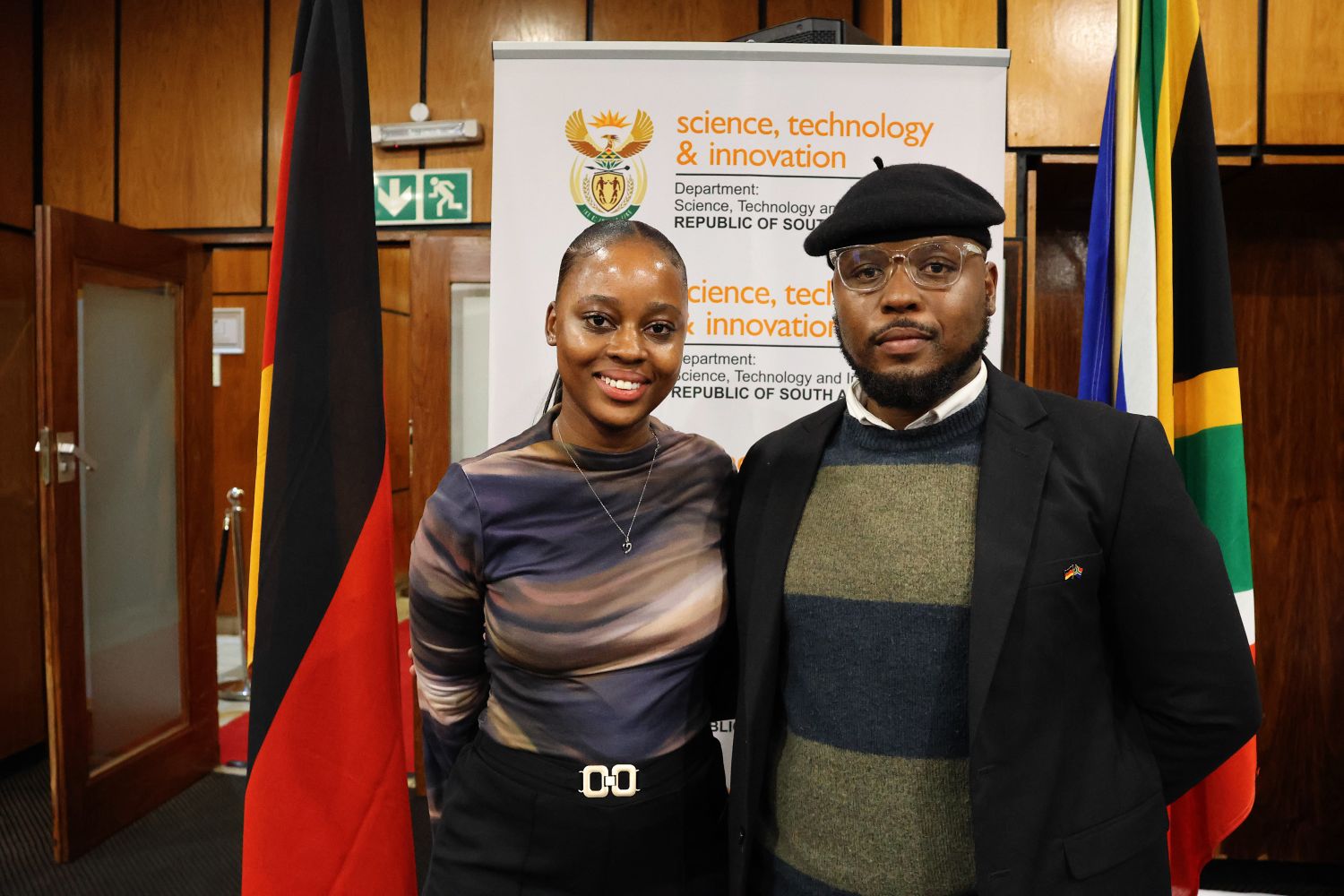
He added that the presence of younger generations at the celebration shows that the partnership is continuing to invest in the future.
He said there are many examples of how South Africa has strengthened its institutional capacity through learning from Germany while advancing international collaboration. The partnership with Germany helped prepare democratic South Africa for international scientific cooperation. Germany's support for the South African network for climate science is just one example of successful African-European cooperation in which South Africa played an active role. Germany also remains an important partner in South Africa's just energy transition partnership, demonstrating how scientific collaboration contributes to broader societal priorities.
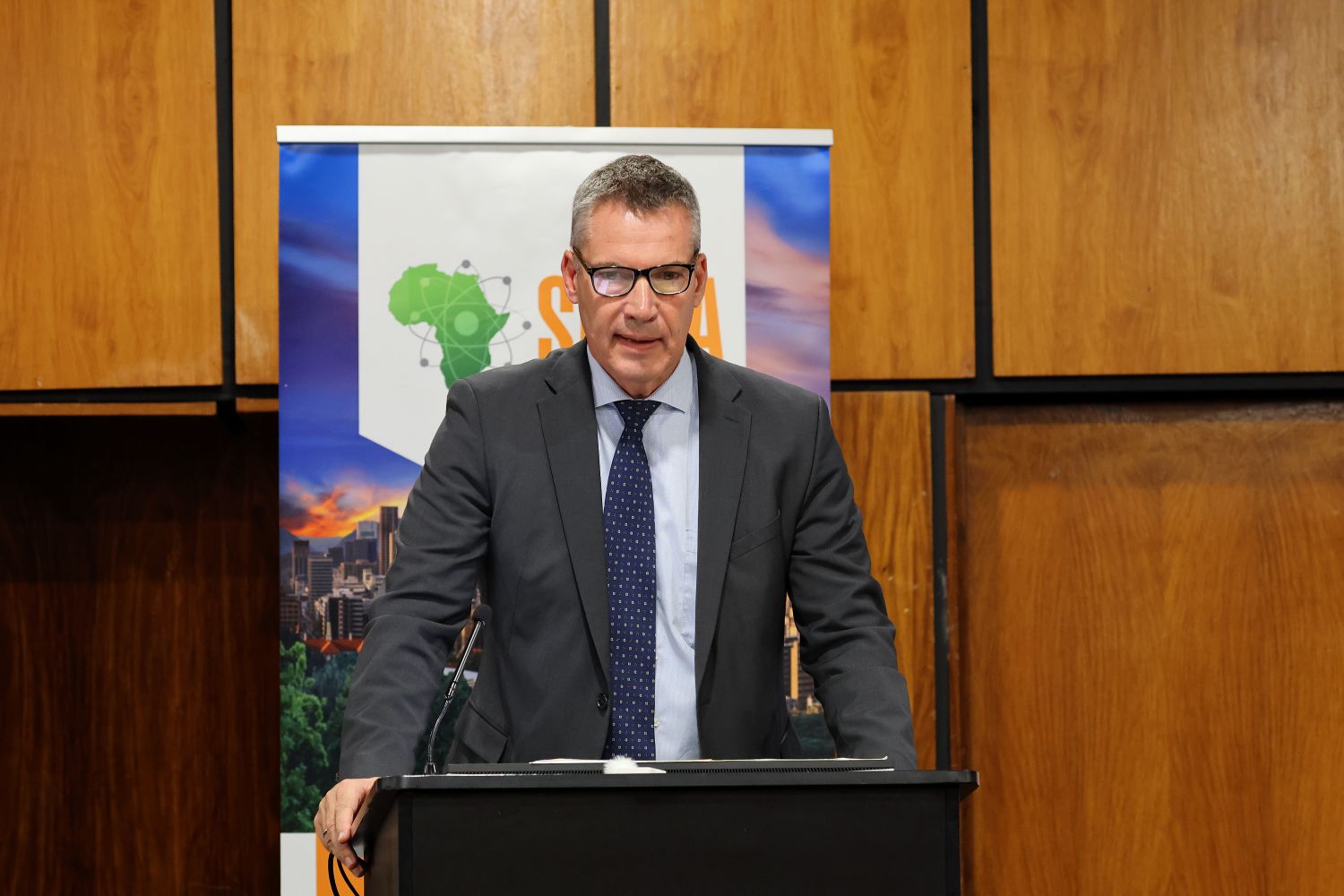
Addressing the gathering, Mr Andreas Peschke, the German Ambassador to South Africa, said 30 years of scientific and technological cooperation is an impressive testament to what can be achieved when two countries collaborate with mutual respect, shared drive and a belief in the power of science and technology.
"Everyone familiar with the many programmes, projects, congresses, seminars, workshops, discoveries and friendships developed over these years knows that this is a story worth telling together" said Mr Peschke.
"Our bilateral cooperation began at a time when South Africa was reorganising itself. We came from different angles, but what started as a tentative exchange has, over the decades, developed into a robust partnership that extends far beyond individual research projects," he said.
For Mr Peschke, what makes the cooperation so unique is its diversity, as it spans academic institutions, government programmes and the business sector. German and South African companies, as well as a growing number of startups and technology pioneers, have recognised the value of cross-border innovation in recent years.
"We are currently witnessing a new dynamic, particularly in the field of digital technologies, artificial intelligence and the technology industry, which is driving both our countries forward," added Mr Peschke.
Ms Sandra Lehneke, Deputy Director-General for International Cooperation at the German Federal Ministry of Research, Technology and Space, described the partnership between the countries as more than a formal agreement, saying it had become a living symbol of trust, innovation and shared aspirations between the two nations.
Ms Lehneke highlighted that the establishment of the Bi-national Commission by former German Chancellor Helmut Kohl and former South African President Nelson Mandela laid the foundation for a relationship that continues to thrive politically, economically and scientifically.
She added that global challenges such as pandemics, climate change and technological change require even greater international cooperation in the years ahead. Ms Lehneke called for continued investment in the next generation of scientists, entrepreneurs and leaders to ensure that the partnership remains innovative, inclusive and resilient into the future.
"One of the quotes that resonates deeply with me tonight is: 'When the roots are deep, there is no reason to fear the wind.' Our roots – nourished over three decades of cooperation – are indeed strong. Because of these roots, we stand tall, ready to face the winds of change, to adapt, and to lead, even as the world grows more complex," she concluded.