
South Africa, Tanzania reaffirm expanded cooperation in science, technology
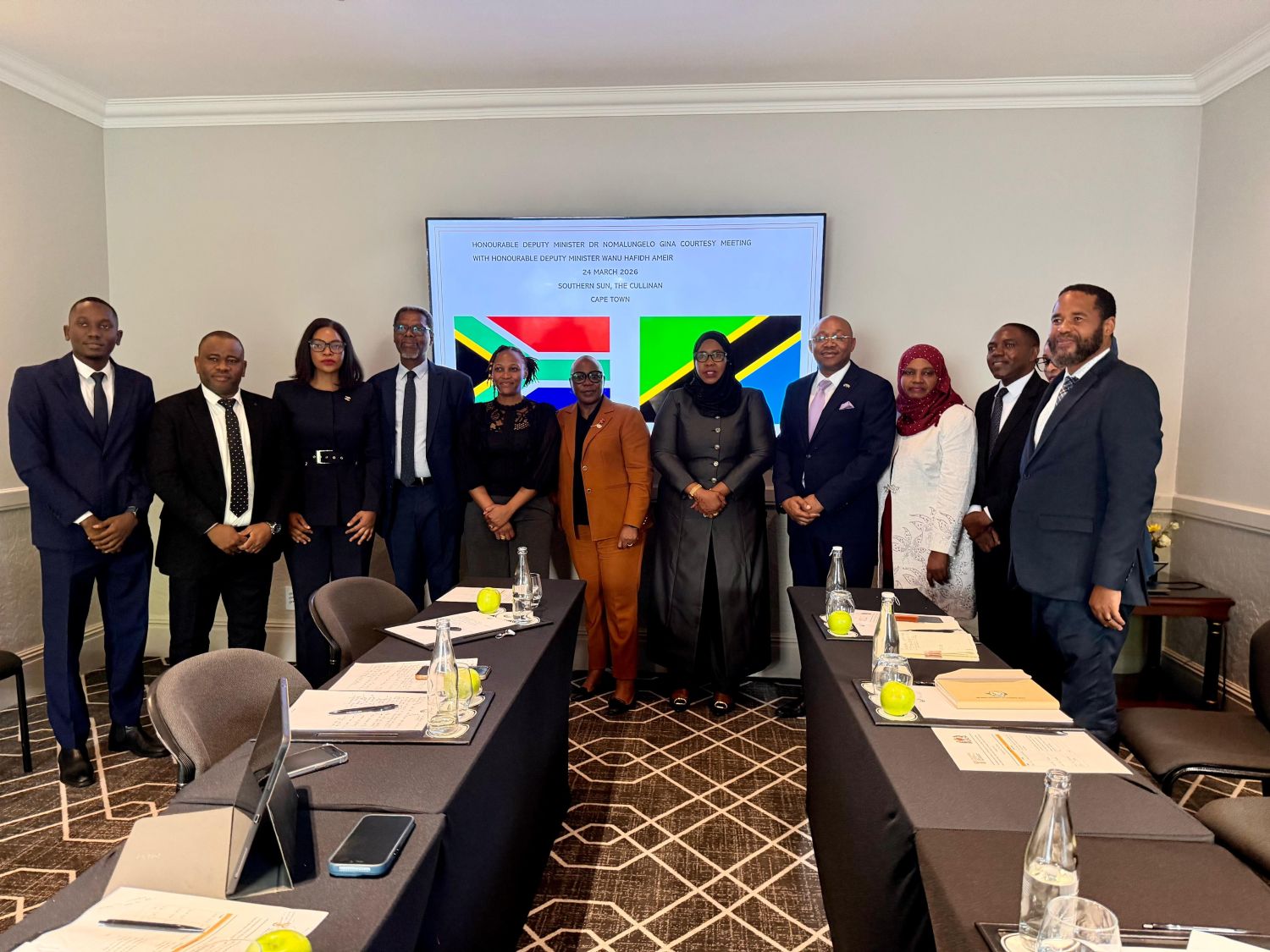
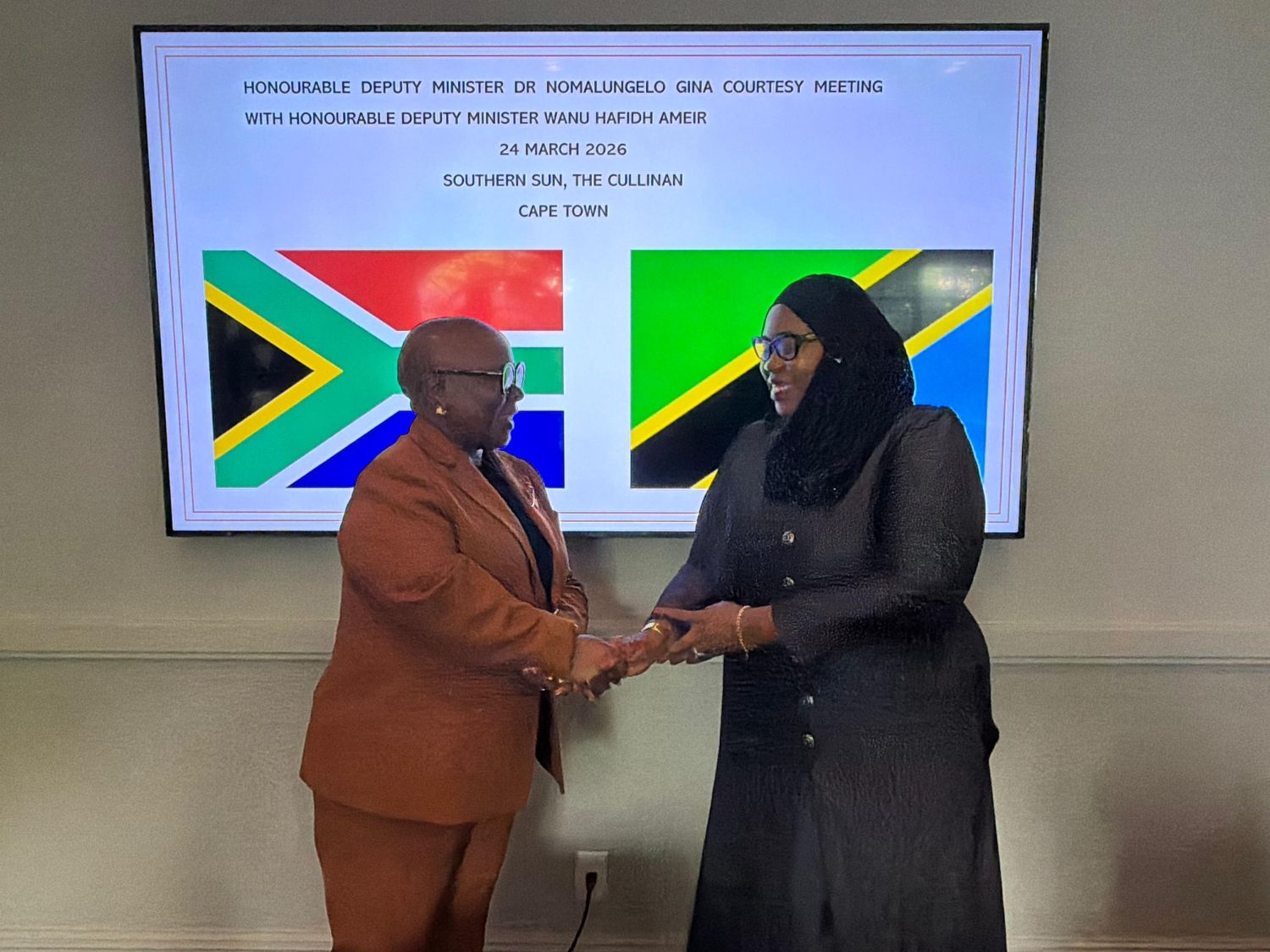
South Africa and Tanzania have committed to deepening collaboration in science, technology, and innovation following a bilateral engagement in Cape Town today.
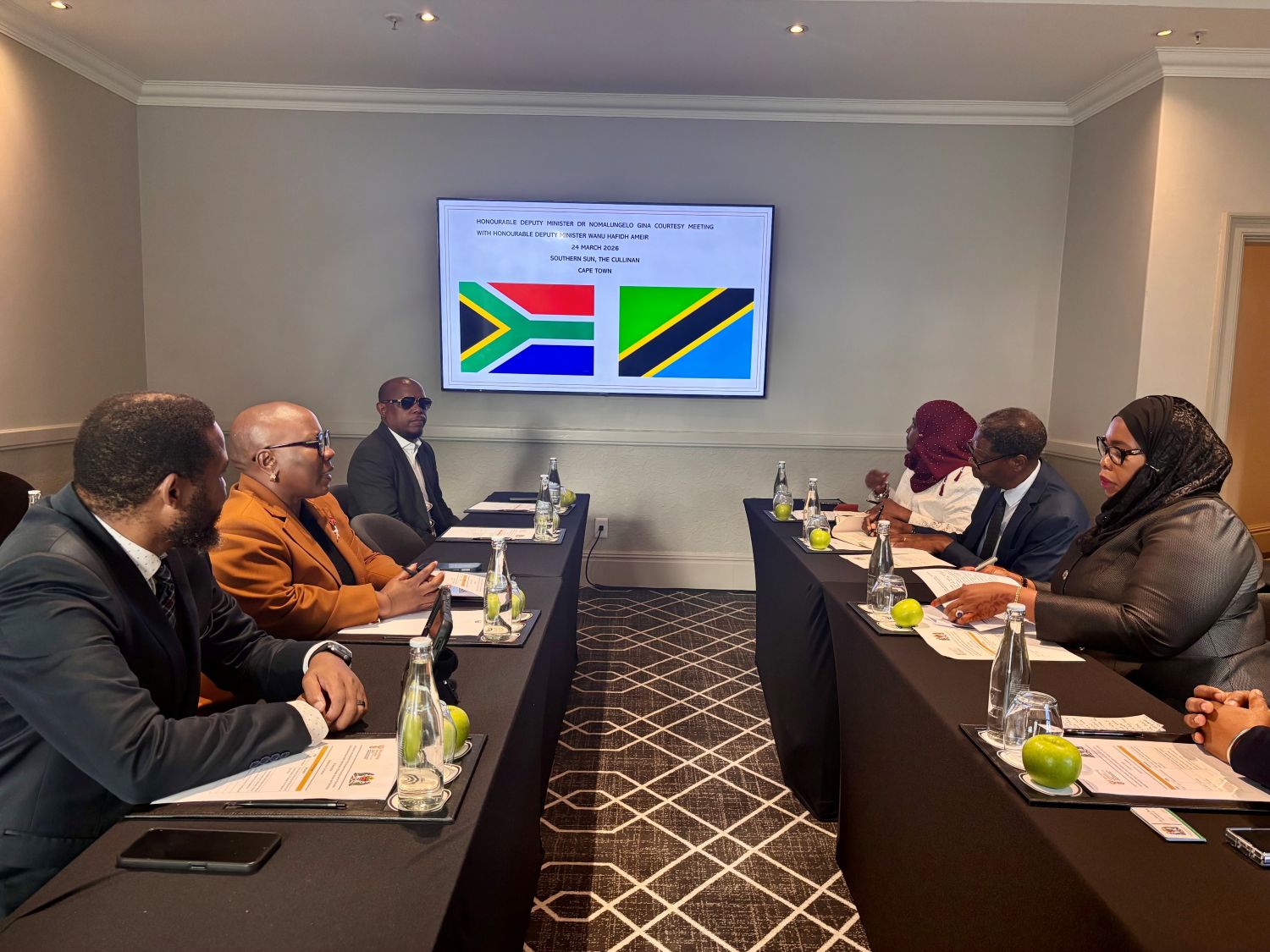
This followed a courtesy meeting between the Deputy Minister of Science, Technology and Innovation, Dr Nomalungelo Gina, and Tanzania’s Deputy Minister of Education, Science, and Technology, Ms Wanu Hafidh Ameir, who is in South Africa for courtesy meetings with various counterparts.
Dr Gina reaffirmed South Africa’s intention to scale up academic and researcher exchanges, including support for the 16 Tanzanian students currently studying at the University of Johannesburg under the Samia Scholarship Extended Programme.
She emphasised that joint research projects, shared funding instruments, and strengthened bilateral agreements will anchor the next phase of cooperation.
The Samia Scholarship Extended, hosted by Tanzania’s Nelson Mandela African Institution of Science and Technology, focuses on top-performing students in physics and mathematics pursuing advanced fields such as data science and artificial intelligence - a development Dr Gina described as a sign of “growing optimism about Africa’s technological future.”
“South Africa reaffirms its strong commitment to enhancing bilateral cooperation with Tanzania. We will actively promote people-to-people exchanges, facilitate technical visits, and foster institutional collaborations between our two nations,” said Dr Gina.
She added that strengthening these partnerships was a key priority within South Africa’s science diplomacy agenda. Integral to this initiative is the University Twinning Programme, designed to facilitate the mobility of researchers and students, to enrich academic and research ties.
Highlighting the continent’s digital sovereignty, Dr Gina stressed that data protection must be a prerequisite for African countries participating meaningfully in global discussions on artificial intelligence.
She further noted that, as geopolitics increasingly shape international collaboration, science diplomacy has become vital for building networks and advancing Africa’s development agenda.
With South Africa assuming the SADC Chairship for 2026–2027, the Department of Science, Technology and Innovation will lead regional STI work, with renewed commitment to implementing the Africa STI Agenda 2024.
Expressing Tanzania’s appreciation in the bilateral cooperation, Ms Ameir welcomed the expanding partnerships between universities and research institutions, and thanked the University of Johannesburg for hosting Tanzanian students as well as the National Research Foundation for its collaboration under the OR Tambo-inspired Research Chairs initiative. She added that Tanzania was eager to broaden its cooperation with South Africa across additional areas of scientific development.
“We value the partnership with South Africa, and the growing partnerships between universities and research institutions,” said Ms Ameir, noting also the long-term political history between the two countries.
Professor Yunus Mgaya, Chancellor of the University of Kampala, who accompanied the delegation, underscored Tanzania’s need to strengthen its digital technology foundation and secure further funding to expand training opportunities for students and researchers in the digital innovation sector.
In addition to the current bilateral instruments, South Africa proposed trilateral programmes with Tanzania and other African countries and expressed continued support for collaboration in other areas, such as astronomy, space science, and geodesy.
“We stand ready to support Tanzania as it joins the Global Geodetic Observing System,” said Dr Gina.
ISSUED BY THE MINISTRY OF SCIENCE, TECHNOLOGY AND INNOVATION
For more information, please contact Veronica Mohapeloa at 083 400 5750