
DSTI launches smart technology in the Eastern Cape to drive modernisation of agriculture
Improved productivity, strong climate resilience and smart decision-making are among the benefits emerging from the South African System of Systems for Agricultural Modernisation (SASSAM) initiative. Designed to equip farmers with climate intelligence, spatial data and digital decision-support tools, the project aims to enhance resource efficiency while addressing the growing uncertainties posed by climate change.
SASSAM is a strategic pilot funded by the Department of Science, Technology and Innovation (DSTI) through its entity, the Technology Innovation Agency (TIA) under the Agricultural Bio-economy Innovation Partnership Programme (ABIPP). ABIPP is an initiative created to implement the agricultural goals of the national Bio-economy Strategy. ABIPP funds, co-funds, coordinates and actively manages multidisciplinary research programmes focused on agricultural bioinnovation, products, processes and services that contribute to increased productivity, food security and sustainable rural development.
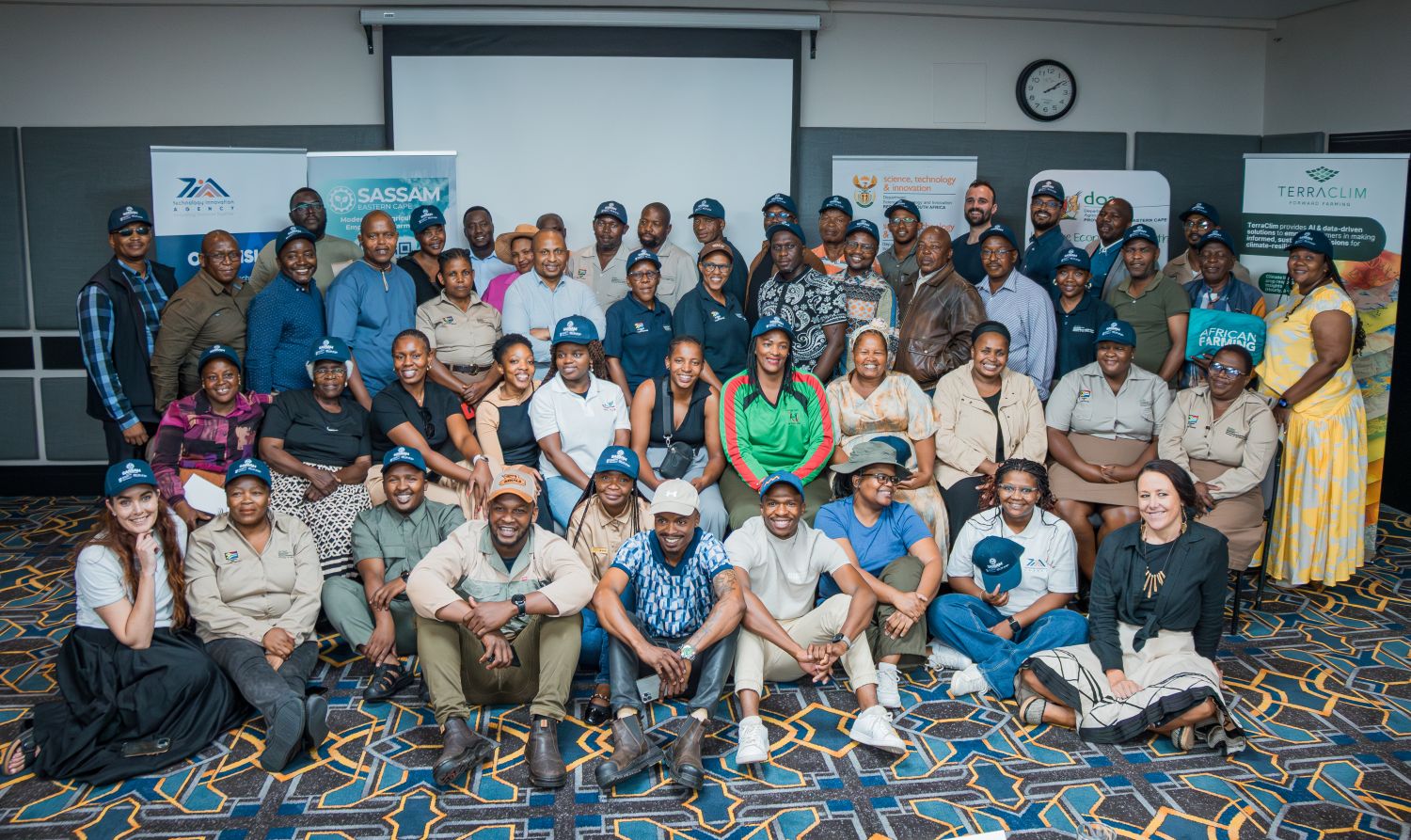
Led by TerraClim in partnership with the Agricultural Research Council (ARC), the Council for Scientific and Industrial Research (CSIR) and the Eastern Cape Department of Agriculture, SASSAM's first demonstration was held on 26 February 2025, in Umtata, OR Tambo District, Eastern Cape. The demonstration marked the first of five district-level pilot rollouts planned for the province. The session brought together government representatives, researchers, extension officers, farmers and consortium partners to demonstrate the platform, introduce it to participants and gather feedback.
Dr Tara Southey, CEO of TerraClim, said that the initiative will introduce digital agricultural tools and integrated climate-smart technologies to 50 farms across the province, beginning in OR Tambo.
"We are taking credible knowledge from the ARC, CSIR and government – as well as universities conducting research, field trials and development – and bringing it into a connected system that informs decision-making."
She added that the next phase of the project will expand to other technology partners and provinces, including adding grain crops in KwaZulu-Natal, with the long-term goal of representing all major crop types in South Africa on the platform. "This is a foundational start. Our vision together is how we accelerate modernisation in agriculture in South Africa," said Dr Southey.
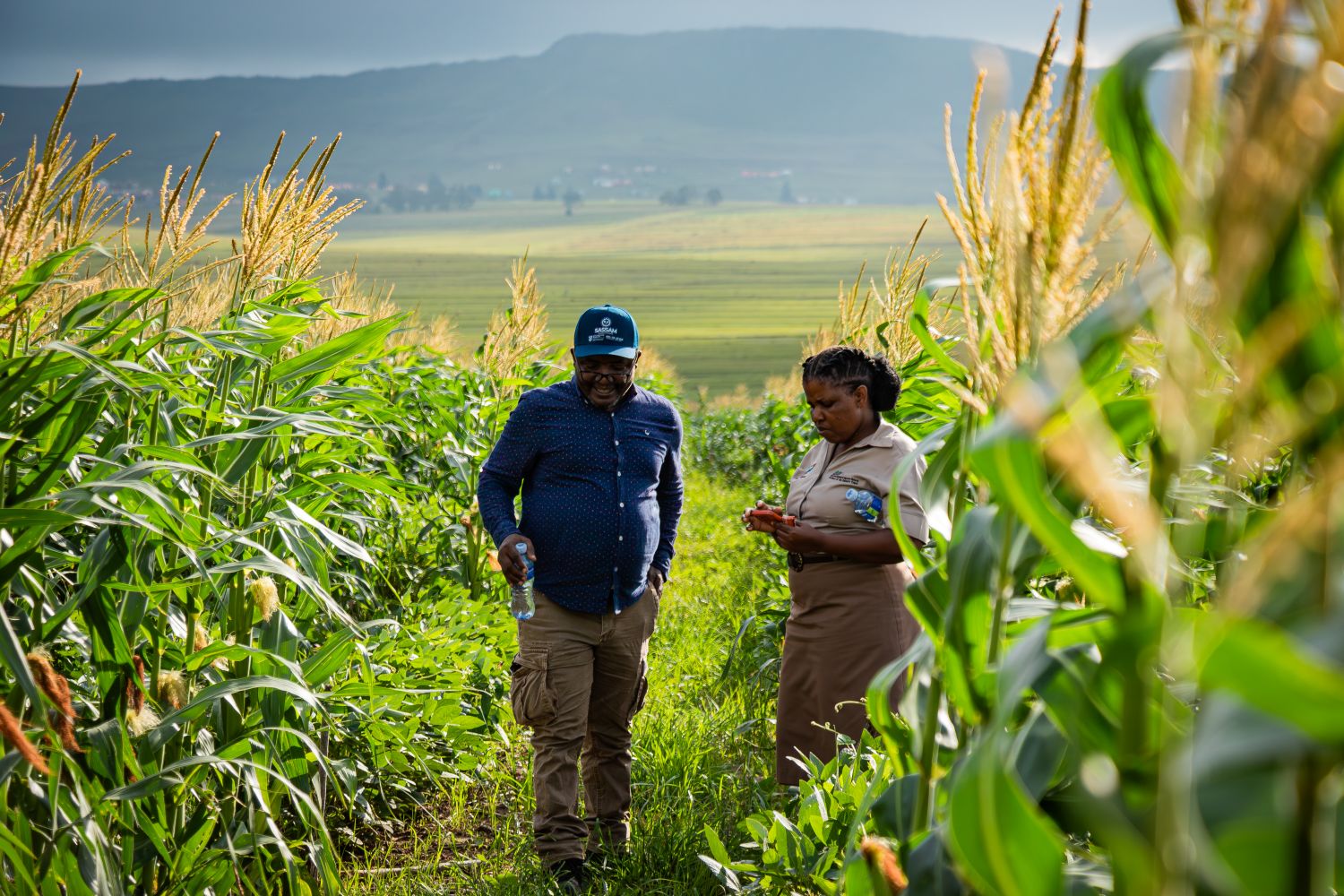
The pilot currently focuses on priority crops including maize, potatoes and dry beans. Mr Mxolisi Mtyobile, Crop Production Scientist at the Eastern Cape Department of Agriculture, OR Tambo District, highlighted the urgency behind the initiative.
"The Eastern Cape's Department of Agriculture is facing many challenges, including climate change, which has brought a lot of uncertainty for farmers due to frequent drought. Farmers are no longer sure about ploughing windows," he said.
"In January, we had the highest temperatures recorded in the Eastern Cape, ranging from 38°C to 43°C. We have also experienced persistent disease outbreaks that have hampered crop productivity. We are hopeful that initiatives such as SASSAM will bring technology to smallholder farmers for future adverse climate conditions and assist them in their planning. As the saying goes, 'If you fail to plan, you plan to fail'."
Ms Halalisiwe Msimango, portfolio manager for agriculture at TIA, congratulated the first group of participating farmers. "The idea is that in the next two to three years we should roll it out throughout South Africa for different crops," she said.
She further urged the farmers to share their information and experiences. "Tell the SASSAM team what you need and how to improve what they have already built," she added.
A maize farmer from Ross Mission village, Mr Luziko Dama, welcomed the innovation. "It will make it easier for us to predict yields and monitor yield patterns, tracing it from nine years back (2018). The app can also assist us with improving productivity by analysing soil samples," he said.
Currently, the SASSAM app provides suitability and soil analysis, field event logging, pest and disease identification, weather forecasting, and artificial intelligence-driven forecasting that answers questions based on uploaded farm data. Multilingual support is expected to be added soon; for now, the platform operates in English and isiXhosa.