
DSTI reaffirms commitment to a just, inclusive and low-carbon energy transition
The Department of Science, Technology and Innovation (DSTI) has reaffirmed its commitment to driving a just, inclusive and low-energy transition through innovation, research and strategic partnerships.
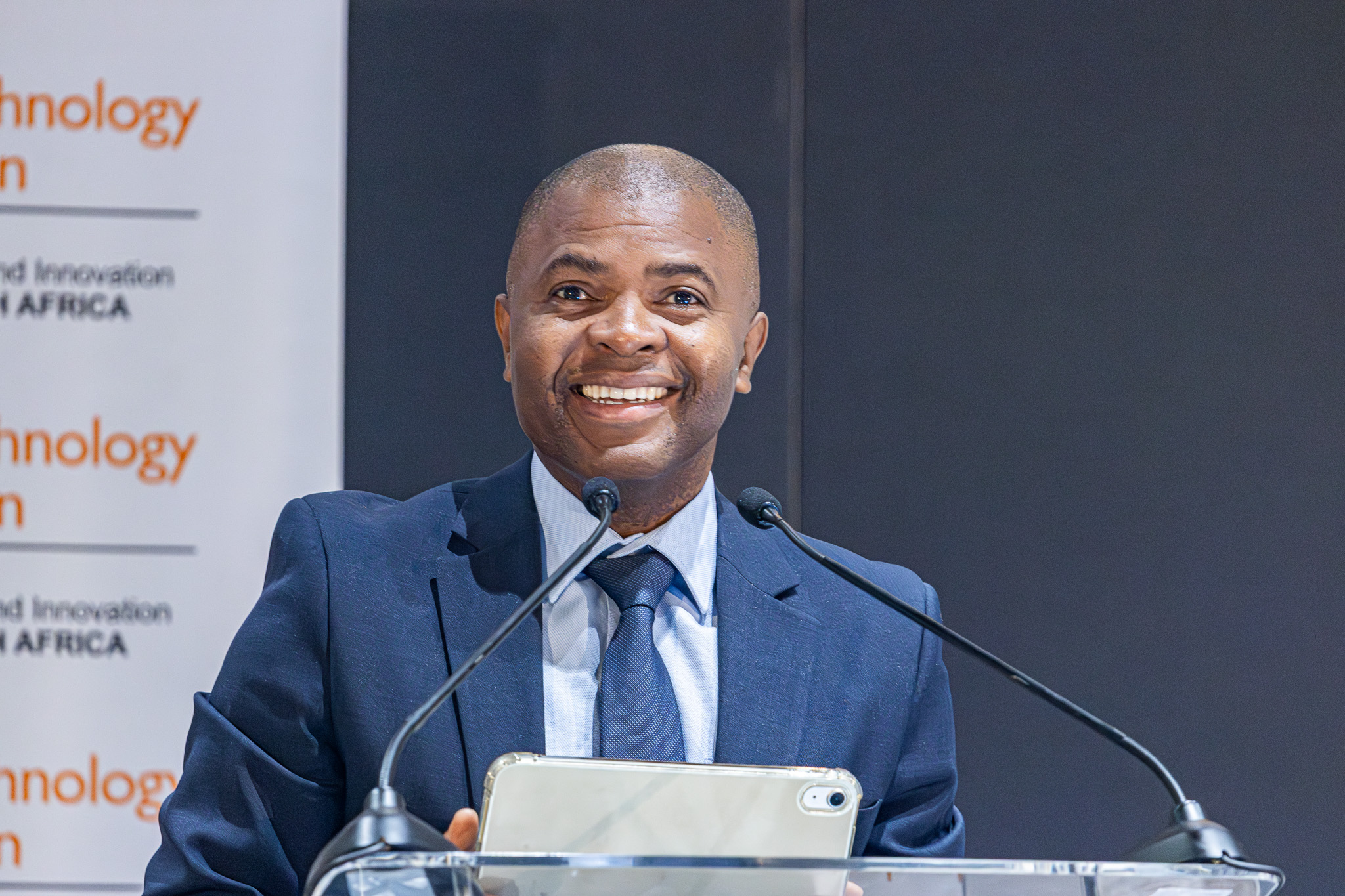
Addressing the South African National Energy Development Institute (SANEDI) Third Annual Energy Conference on 25 February 2026 on behalf of Minister Blade Nzimande, DSTI Director-General Dr Mlungisi Cele emphasised that science, technology and innovation (STI) remain central to advancing South Africa's energy future.
Hosted from 24 to 26 February in Kempton Park, the conference brought together representatives from government, academia, industry and civil society under the theme: "Catalysing just, green and digital energy transition for Africa and beyond: The impact of STI in government, education, industry and society".
Dr Cele highlighted South Africa's alignment with global commitments made at the recent G20 Summit, underscoring that Africa's energy transition is essential to sustainable development, equitable access and industrial growth.
Dr Cele said that as, a department responsible for managing South Africa's national system of innovation (NSI), the DSTI is contributing to the realisation of a just, inclusive and carbon energy transition through innovation, research and strategic partnerships. He clarified that, while government departments such as Trade, Industry and Competition, and Electricity and Energy have their respective mandates, they do not operate in silos but cooperate closely to advance national priorities.
"Over the past few years, our country has faced many challenges, including energy disruptions, volatility, high prices and geopolitical shocks. In enabling our country to navigate these challenges, in recent years, we have implemented a variety of energy-related interventions, in which SANEDI has played a critical role," said Dr Cele.
He highlighted the Department's journey towards achieving the just energy transition.
"In 2021, Cabinet approved our Hydrogen Society Roadmap, which sets ambitious targets for 2030, including the rollout of 100 hydrogen fuel cell buses and trucks, 20 hydrogen-powered forklifts, and at least five hydrogen refuelling stations. These targets signal government's commitment to decarbonising mobility in line with the Green Transport Strategy and position hydrogen as a cornerstone of South Africa's just energy transition," said the Director-General.
Through its energy research, development and innovation (RDI) flagship programmes, the DSTI continues to plan and deliver measurable outcomes in the energy sector. The Department established the Hydrogen South Africa (HySA) Programme, the Battery Energy Storage Programme, the Carbon Capture and Use Programme, and Renewable Sustainable Energy Hub and Spokes Programme.
"Through these programmes, the DSTI contributes to the decarbonisation of transport, buildings and the "hard-to-abate" industries; to the production of green fuels, decision-making support tools, skills development and job creation and strengthening public-private partnerships for innovation and industrial competitiveness," explained Dr Cele.
HySA aims to develop local intellectual property (IP), products, and human resources in the hydrogen economy. One of the three centres, the HySA Systems Centre of Competence at the University of the Western Cape (UWC) has developed hydrogen fuel cell systems and integrated them into vehicles – including converting a diesel-powered forklift to hydrogen fuel power in 2016; establishing a hydrogen refuelling station capable of refuelling within 15 minutes at 200 bar pressure; and, in 2021, converting three South African Post Office battery-powered scooters to fuel cell technology, tripling their operational range.
The Energy Storage Programme has established pilot facilities at the University of Limpopo, UWC and Nelson Mandela University, as well as providing one-year internships to unemployed technical and vocational education and training graduates.
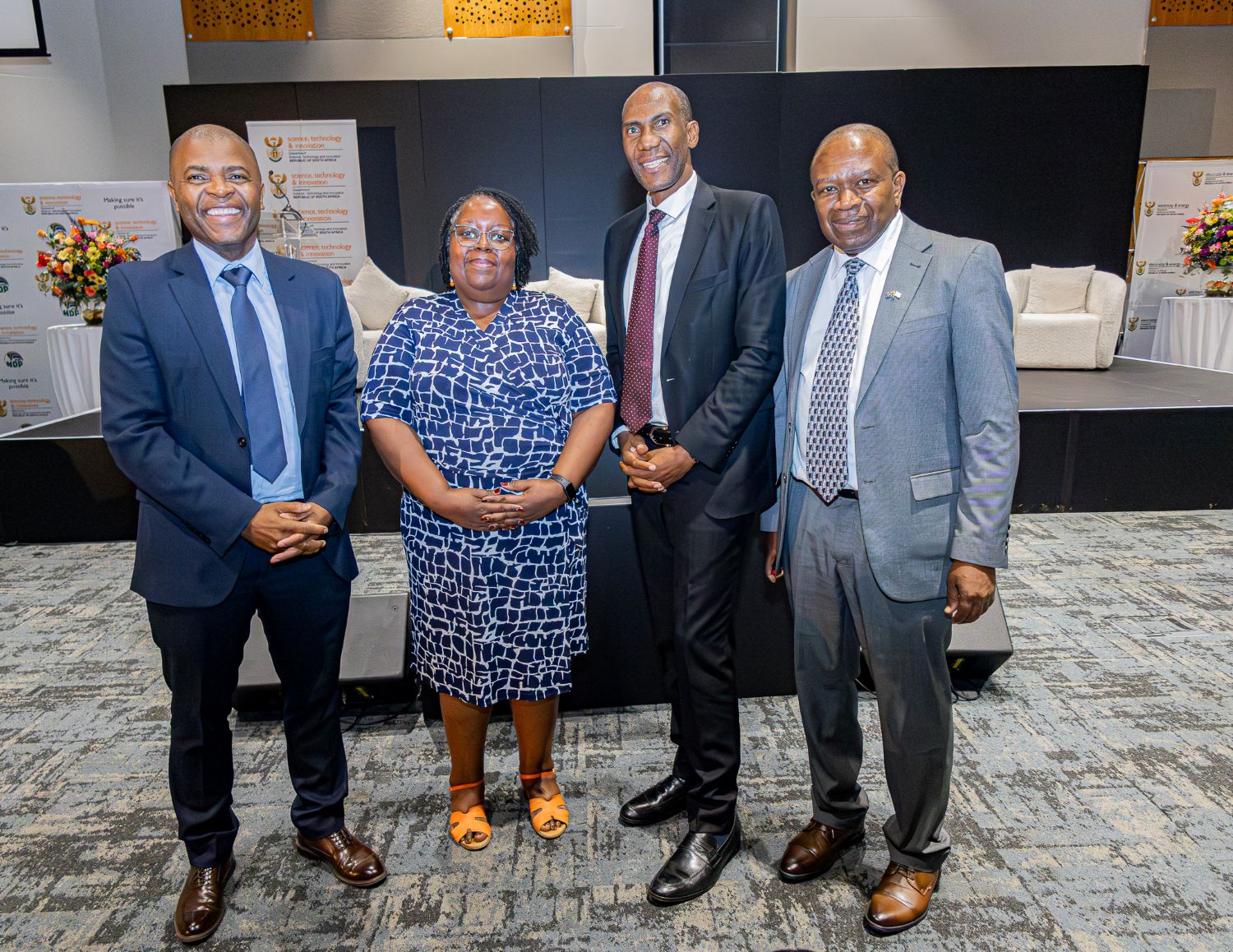
Speaking at a panel discussion on pivoting the NSI to meet national imperatives, Dr Rakeshnie Ramoutar-Prieschl, XXXXX at the University of Pretoria emphasised the unique role of higher education institutions in the innovation ecosystem.
"Universities generate knowledge, translate research into innovative products, and develop the next generation of skilled graduates. Universities also have a key role to play in integrating the post-schooling education sector so that there is equal value, if not appreciation, of technical and vocational skills as much as there is towards skilled knowledge workers" said Dr Ramoutar-Prieschl.
Dr Titus Mathe, CEO of SANEDI, explained that ensuring that research outcomes move beyond the laboratory requires a whole-of-ecosystem approach. While South Africa's universities and research councils are producing high-quality knowledge and IP, he noted that scaling technologies demands financial investment, human capital, strong government support, industry champions, and participation from financial institutions and the private sector.
The DSTI's objective in co-hosting the conference was to showcase Department-funded projects aligned to its mantra, "Placing science, technology and innovation at the centre of education, government, society and industry". These projects directly respond to the three Societal Grand Challenges identified in the STI Decadal Plan 2022-2032. These are climate change and environmental sustainability, the future of education, skills and work, and the future of society.
In addition, the Department sought to foster collaboration on strategic initiatives that support the implementation of the Decadal Plan, and to promote the commercialisation of publicly funded IP, particularly innovations emanating from the hydrogen and energy RDI flagship programmes.
For enquiries, please contact Julian Leshilo-Sebake on 060 961 2194 or This email address is being protected from spambots. You need JavaScript enabled to view it..
Issued by the Department of Science, Technology and Innovation.


