
Collaboration driving change in maths and science education
The government’s commitment to strengthening mathematics and science education was underscored this week as the Department of Science, Technology, and Innovation (DSTI) showcased the impact of ongoing collaboration in schools across South Africa, particularly in rural and underserved communities.
The Deputy Minister of Science, Technology and Innovation, Dr Nomalungelo Gina, concluded her back-to-school campaign in northern KwaZulu-Natal this week, where she engaged directly with learners, educators, and school leaders on the ground.
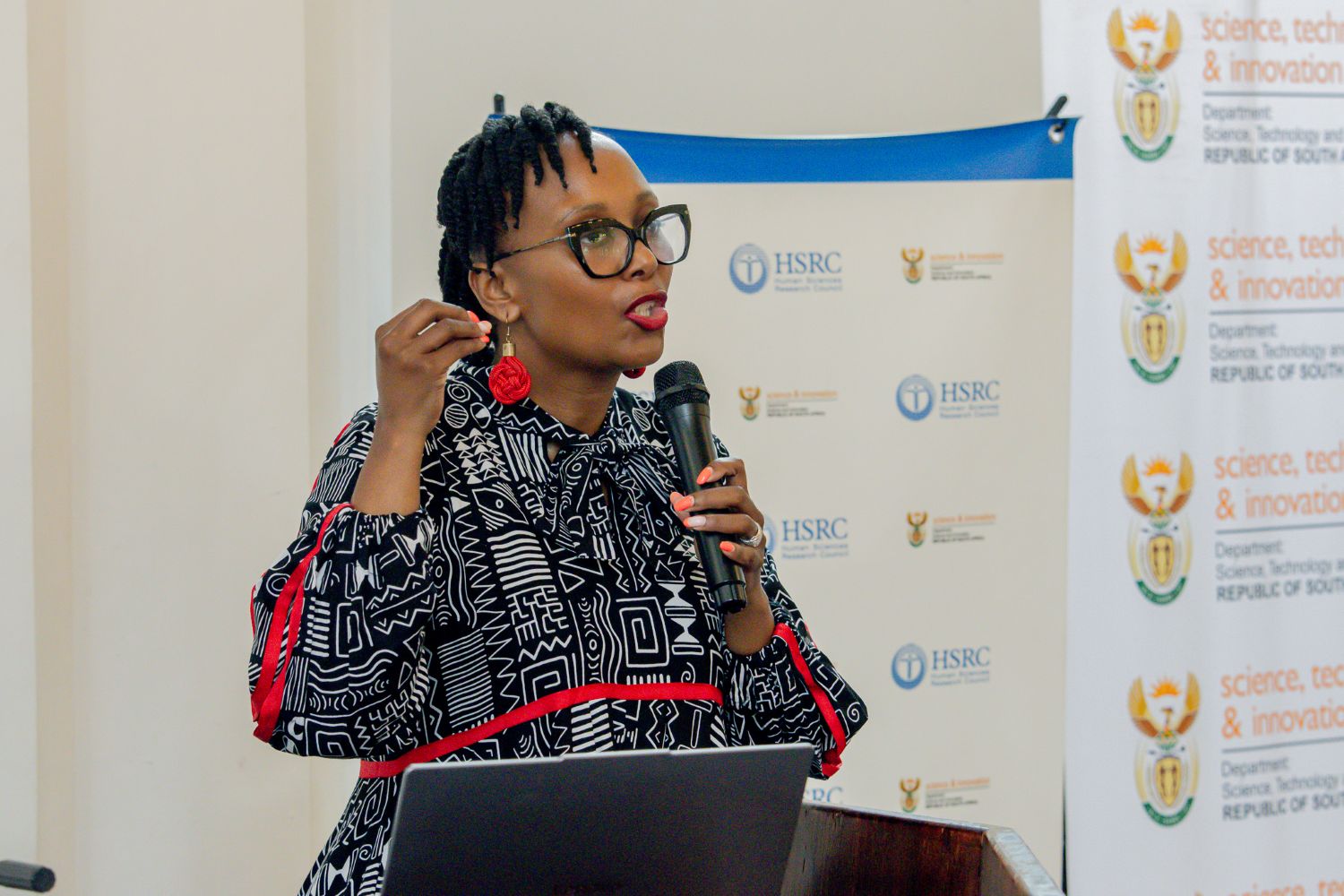
“The challenges facing our schools cannot be addressed in silos,” said Dr Gina. “Working in collaboration with the Department of Basic Education, we are committed to supporting schools to meet the standard that the government envisages for quality education, especially in critical subjects such as mathematics and science.”
The partnership between the two departments focuses on building a strong, responsive STEM education pipeline that links curriculum development, teacher training, skills development, and innovation to South Africa’s economic and workforce needs. Central to this approach is strengthening teacher development and embracing integrated teaching methods that blend the arts with science and technology to enrich classroom learning.
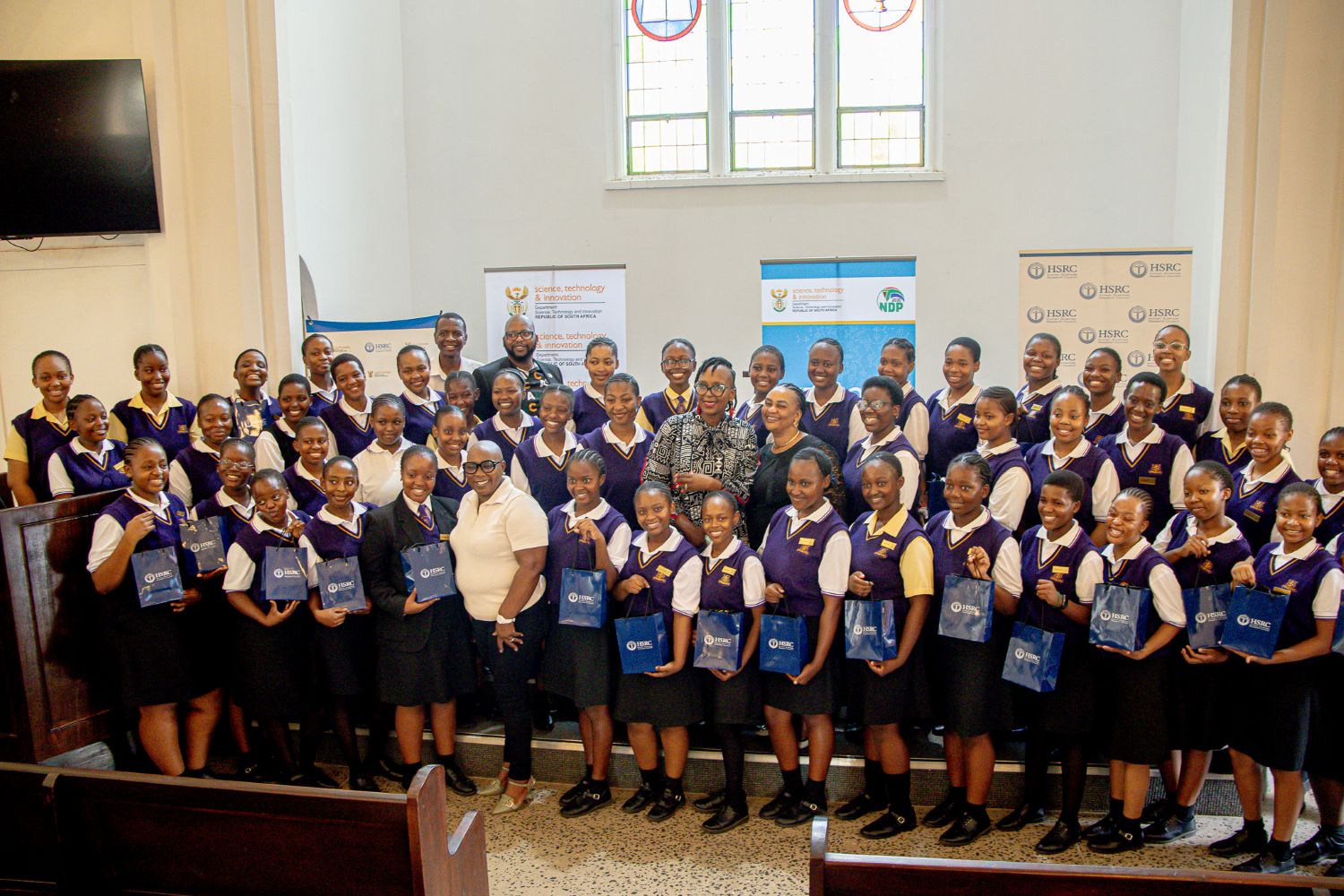
Over the course of the campaign, which took place from 2 to 4 February, the Deputy Minister visited several schools, including KwaNxusa High School in Magwaza, Mabayana High School in Ndwedwe, ML Sultan in Stanger, Inanda Seminary and the Anton Lembede Maths, Science and Technology Academy in Pinetown.
These engagements provided valuable insights into the everyday realities schools face, including infrastructure backlogs, limited resources, low uptake of STEM subjects, and psychosocial challenges affecting learners.
Beyond dialogue, the campaign delivered practical support. Schools received learning resources, such as calculators and printer paper, and commitments were made to host STEM career expos at selected schools, with a particular focus on rural areas.
These expos aim to expose learners to a wide range of career opportunities in science, technology and innovation, helping them make informed choices about their futures. At Mabayana High School, girl learners also received donated school shoes as part of efforts to support dignity and access to education.
Dr Gina commended school communities for their dedication and resilience, praising teachers, principals, and school governing bodies for their role in improving education outcomes despite difficult circumstances. She reaffirmed her commitment to continued engagement with the schools visited during the campaign.
The visit to Anton Lembede Maths, Science and Technology Academy highlighted the impact of innovation and committed teaching. The school achieved a 99.1% pass rate in mathematics and a 100% pass rate in physical science in Grade 12 last year.
Principal Dumisani Sibaya attributed this success to a future-focused approach to education and a strong emphasis on innovative teaching methods. “Our teachers are central to our success,” he said. “We expect creativity, dedication, and excellence, because that is what our learners deserve.”
Academic Director at Inanda Seminary, Mr Peter Delisle, said the school was a real opportunity for girls to develop the confidence and skills to truly take their place in the world of STEM.
“Today was just a really good occasion which provided inspiration, motivating them to work hard and to believe that they can make the difference through the sciences,” said Mr Delisle.
Further strengthening the STEM ecosystem, the Human Sciences Research Council (HSRC) donated books to Anton Lembede Academy and Inanda Seminary.
Represented by its Director for External Capacity Development and Internships, Ms Bongiwe Moni, the HSRC encouraged learners to make strategic subject choices that could open doors to higher education and research careers.
She also highlighted the HSRC’s graduate internship programme, which has provided research skills and workplace experience to more than 7 600 unemployed graduates since 2005, most of whom come from historically disadvantaged communities.
Dr Gina is set to conclude her 2026 back-to-school campaign next week with visits to Mjindi and Ntenga High Schools, Nethezeka Primary School, and Mandla Mthethwa School of Excellence in the Jozini Makhonyeni District, reaffirming the government’s continued focus on strengthening STEM education at the grassroots level.
ISSUED BY THE MINISTRY OF SCIENCE, TECHNOLOGY AND INNOVATION
For more information, please contact Veronica Mohapeloa at 083 400 5750 or This email address is being protected from spambots. You need JavaScript enabled to view it.


