
Indigenous Knowledge Systems Documentation Centre forum under way in East London
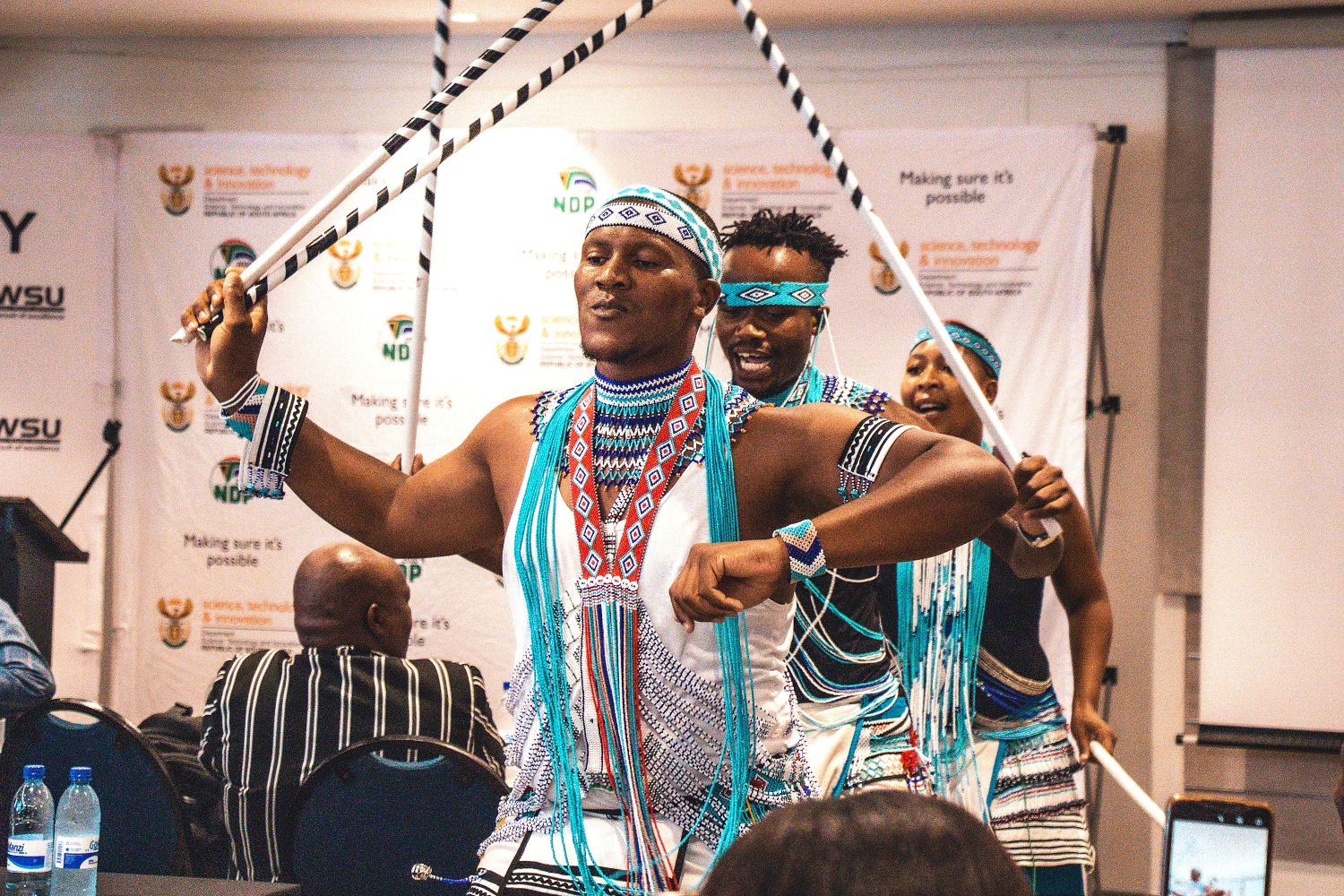
The Indigenous Knowledge Systems Documentation Centres (IKSDC) Knowledge Sharing Forum in East London, hosted by the Department of Science, Technology and Innovation (DSTI) in collaboration with Walter Sisulu University (WSU), officially opened on 27 January 2026. It ends on 30 January.
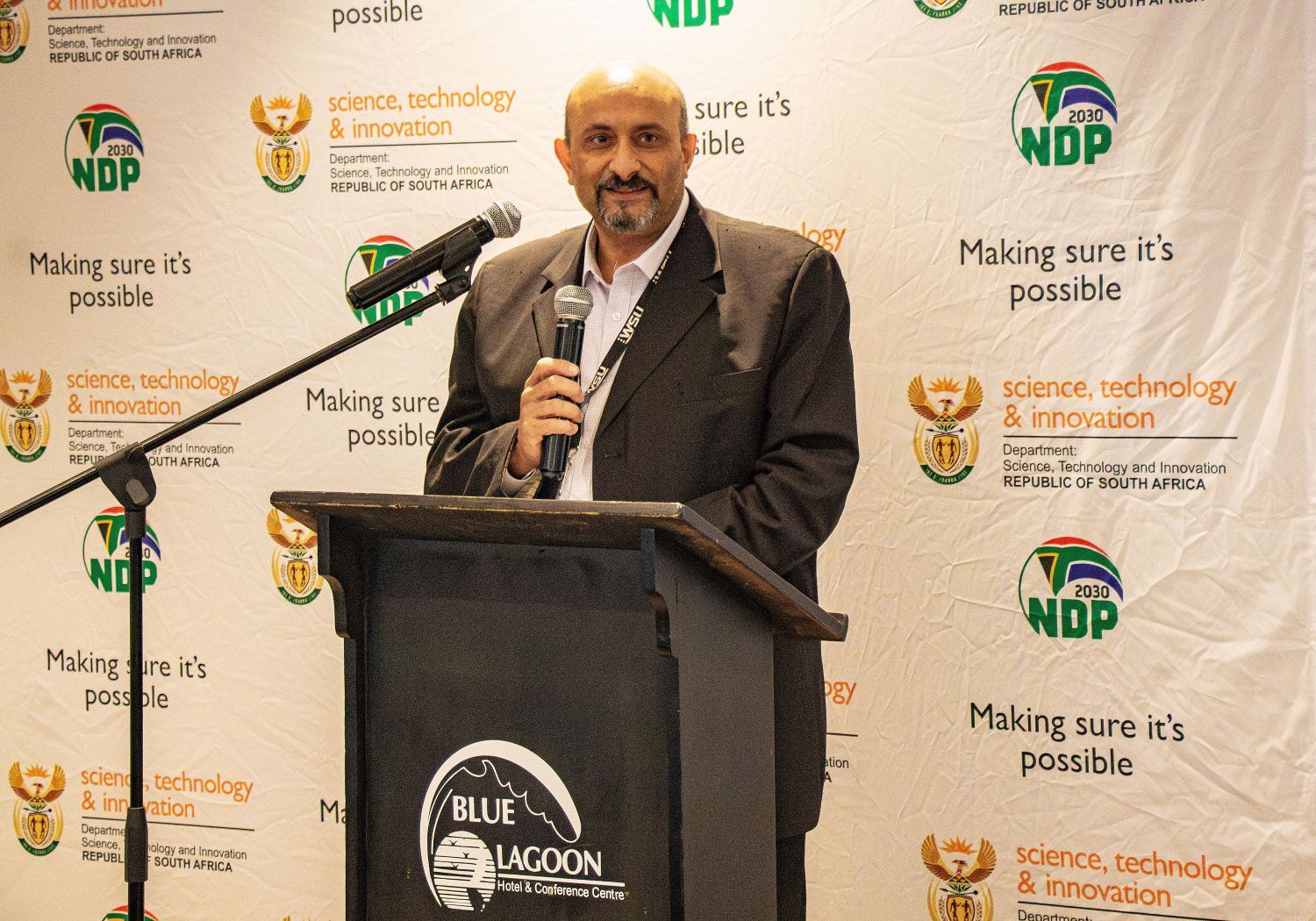
The DSTI's Deputy Director-General: Research Development and Support, Mr Imraan Patel, told representatives from the various IKSDCs that South Africa was ahead of many other countries in this area, as its IKS policy had been approved by the Cabinet in 2024.
He said that the four-day forum, held under the theme "Restoring dignity through indigenous knowledge", was an opportunity to reflect on the implementation of the policy and what had been achieved in protecting, developing and commercialising indigenous knowledge.
The DSTI will lead the development of a national roadmap to transition from the existing IKSDCs to a formal Indigenous Knowledge Registration System, aimed at safeguarding community-held knowledge and ensuring fair benefit sharing.
For more than a decade, the DSTI and its partners across eight provinces have worked to document and preserve indigenous knowledge through 10 established IKSDCs. This year's forum brings these centres together to consolidate their efforts and chart the next phase of South Africa's Indigenous Knowledge Policy implementation, looking at ethical standards, legislative compliance and commercialisation opportunities.
Delivering the welcome address, Prof. Albert Modi, Executive Dean of the Faculty of Natural Sciences at WSU, said the forum had come at a critical moment for the country.
"This event comes at a time when South Africa is redefining the place of indigenous knowledge systems. We are challenged by geopolitical circumstances and by the quality of education, asking whether it delves deep enough and spreads wide enough," said Prof. Modi.
"If we allow the current generation of our elders to perish without capturing what is in their minds so that it can be documented and used for innovation, we will have failed this country."
Prof. Modi highlighted strategic focus areas under WSU's Faculty of Natural Sciences, including rural innovation and food systems; a digital data science academy for rural development; unlocking community-owned indigenous biological resources; applied science and engineering solution hubs for rural infrastructure; health, nutrition and community wellness initiatives; and a science policy and rural development foresight hub aimed at shaping national and regional policy.
Ms Shumi Rodolo, Deputy Director: Advocacy and Policy at the DSTI, reflected on the long journey towards the passing of the Protection, Promotion, Development and Management of Indigenous Knowledge Act in 2019.
"The Act has been under construction for more than two decades. Its objective is to prevent biopiracy, protect against misappropriation, enable the registration of indigenous knowledge, recognise prior learning, ensure benefit sharing with communities, facilitate research and development, and create dispute resolution mechanisms," said Ms Rodolo.
She added that, while the Act initially faced resistance, it ultimately strengthened collaboration. "Instead of researchers working under the suspicion that they steal knowledge from communities, the Act promotes partnerships between them and the communities. That is what benefit sharing is about."
Contributing to a panel discussion on "Restoring Our Health through Indigenous Plants", Dr Nadia Ibraimo Araya, Senior Researcher at the Agricultural Research Council, underscored the importance of indigenous plant systems.
"Indigenous plants are crucial for the sustainable functioning of ecosystems. They are water savers, well adapted to natural conditions, and play a key role in preserving soil and reducing erosion," she said.
The IKSDC Knowledge Sharing Forum continues to serve as a national platform for dialogue, reflection and strategic planning, reinforcing South Africa's commitment to restoring dignity, protecting heritage and unlocking innovation through indigenous knowledge systems.
Issued by the Department of Science, Technology and Innovation.
For more information, please contact Ms Julian Leshilo-Sebake at 060 961 2194 or This email address is being protected from spambots. You need JavaScript enabled to view it..


