
South Africa showcases commitment to science awareness at opening of World Conference of Science Journalists
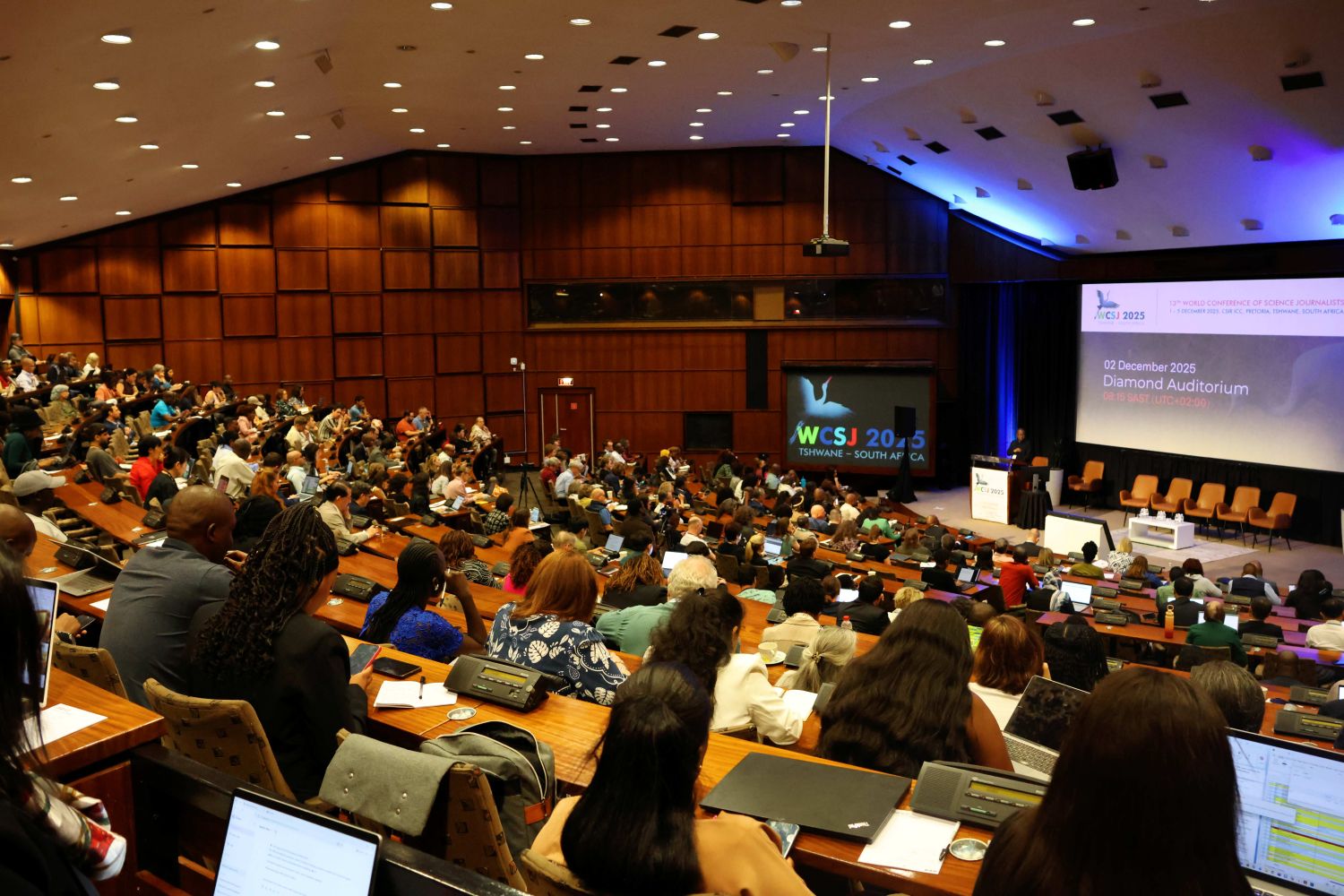
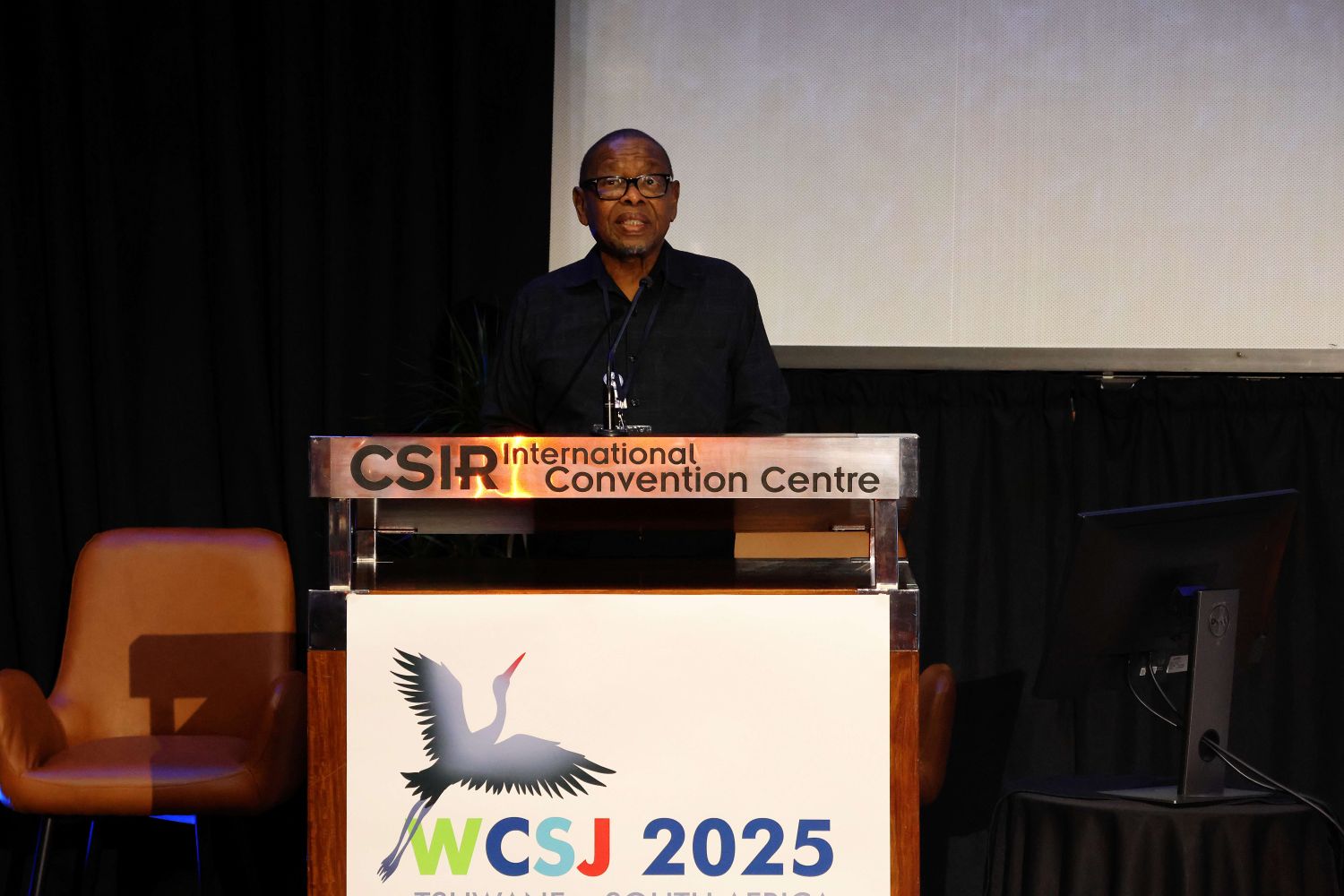
South Africa's growing investment in developing a more science-aware South Africa was highlighted when the Minister of Science, Technology and Innovation, Prof. Blade Nzimande, officially opened the World Conference of Science Journalists (WCSJ) in Pretoria on 2 December 2025.
The conference, which takes place every two years, is being held in Africa for the first time. Running from 1 to 5 December 2025, it brings together over 400 science journalists, editors and communicators from all over the world.
The Minister highlighted the country's expanding initiatives to build a more scientifically informed society through the Department of Science, Technology and Innovation's Science Engagement Programme. This includes placing more than 40 young journalism graduates a year across mainstream and community media platforms to deepen the quality and reach of science reporting. Participating media channels include the SABC, News24 and Power FM, as well as more than 20 community media stations.
He noted that "science journalism is a knowledge intermediary essential for translating complex scientific research into accessible information for the public".
South Africa's investment in science journalism is supported by findings from the 2022 Public Relationship with Science Survey, which identified television, the internet and radio as the country's leading sources of science information. The Minister reaffirmed the country's commitment to strengthening science reporting on these platforms, emphasising the role of journalism in building a society that is knowledgeable, scientifically literate and able to form independent views on science issues.
He emphasised the historical significance of the event, which follows South Africa's successful G20 Presidency – like the WCSJ – hosted on the African continent for the first time.
The conference also coincides with the fourth SADC Science Journalist Training Workshop, which first took place during the World Science Forum in 2022 in Cape Town in partnership with UNESCO, the South African Science Journalists' Association (SASJA), the SADC Secretariat and Stellenbosch University. Journalists from over 12 countries in the region joined the workshop this year.
The 2025 conference features three plenary sessions, 58 parallel sessions, 196 speakers and 21 field trips to major scientific sites such as the Square Kilometre Array site in the Northern Cape. The Minister said the programme offered delegates a rich platform for exchange and "a unique opportunity to showcase South Africa and Africa's science and cultural landscape".
Reflecting on the conference theme, "Science journalism and social justice: Journalism that builds understanding and resilience", Nzimande stressed the need for science to help societies navigate global crises, including inequality, conflict, pandemics, climate change and environmental degradation.
"Your theme calls for us to consistently examine the value of science by asking how science helps us address global challenges," he said.
He also raised concerns about the misuse of emerging technologies, including artificial intelligence, particularly in conflict zones where journalists and civilians face targeted harm. These developments, he said, underscore the urgency of ensuring that scientific knowledge and technological innovation are used to benefit humanity, not to harm it.
The Minister called on delegates to use the WCSJ to reflect on combatting discrimination, stereotypes and biases; promoting human rights and the dignity of people (especially marginalised groups) in how science is communicated; responding to the challenge of fake news and misinformation and the effect of this on public attitudes to science; and using science journalism as a bridge to facilitate science diplomacy and the building of global solidarity.
Nzimande welcomed the alignment between South Africa's efforts and the G20 Recommendations on Science Engagement, which committed countries to broadening access to science and advancing the principles of open science.
He affirmed that "science journalism has a vital role to play not only in building appreciation for the value of science, but also in ensuring that we use science to build a just and humane world".
Speaking on the importance of science journalism and the purpose of the conference, Ms Mandi Smallhorne, President of the SASJA, reflected on the passion that draws journalists to the field. She noted that whether people entered science journalism intentionally or accidentally, they remained because they were captivated by the curiosity, complexity and wonder that science inspires.
From the personalities and debates that are part and parcel of science, she emphasised that science journalists were energised by the scientific process itself. "That way of questioning the world is a basic and fundamental part of our human nature," she said, explaining that this was why scientific research continued to play such a vital role in everyday life.
Smallhorne also mentioned that science and scientific researchers had their flaws. Science journalists learn to interrogate information, ask difficult questions and uncover issues that may otherwise remain hidden. She highlighted that this commitment to scrutiny strengthened public trust in science and safeguarded the integrity of institutions driving research and innovation.
She added that the conference theme served as a reminder for all attendees that public awareness and the understanding of scientific concepts and research are essential to a resilient and equitable community.
With rapid technological change reshaping the way science is done and communicated, she called on journalists to continue transforming complex and opaque scientific information into knowledge that empowered communities, particularly in the Global South. She expressed hope that participants would leave the gathering "with a sense of themselves as vital actors in the job of making the world better, safer, healthier and more just, fair and equal".
Dr Thulani Dlamini, CEO of the Council for Scientific and Industrial Research (CSIR), stated that this year's conference coincided with the CSIR's 80th anniversary.
Founded in 1945, with the conviction that organised research could be a catalyst for technological advancement and industrialisation, Dlamini stated that the CSIR had remained a driving force for innovation and progress in Africa and around the world.
"Our work has laid the foundation for the creation of several industries. We have pioneered the development of world-class technologies, positioning South Africa and Africa as world leaders in these areas, giving us a very strong global competitive advantage," he said.
Dlamini stated that the CSIR had licensed several technologies in South Africa and abroad, demonstrating the depth of its technological capabilities, and had provided technological solutions that contributed to the development of a capable state.
He said that reporting on engineering, science and technology was critical in the modern world, serving as a conduit that bridged the intricate work of the scientific community with the general public's curiosity and need to understand.
"Given the many issues our world is facing today, from climate change to public health, energy security and emerging technologies, it is through clear, accurate and responsible reporting that societies can understand these issues, respond wisely and develop trust in public institutions," he said.
The WCSJ highlighted the important role of science journalism, which ensures that scientific discoveries are communicated truthfully, responsibly and in ways that empower and educate the public, while holding the scientific community accountable.
He called on scientists and journalists alike to remember that their mission is to use knowledge to build prosperity and alleviate suffering. "By asking tough questions and illuminating issues of fairness and justice, science journalism ensures that the story of science includes everyone it affects," he concluded.