
Deputy Minister Gina urges stronger IP protection for grassroots innovators
Deputy Minister of Science, Technology and Innovation, Dr Nomalungelo Gina, has called for intensified intellectual property (IP) awareness and protection, especially for grassroots innovators, township entrepreneurs and young researchers in rural communities who often lose ownership of their ideas due to limited IP knowledge.
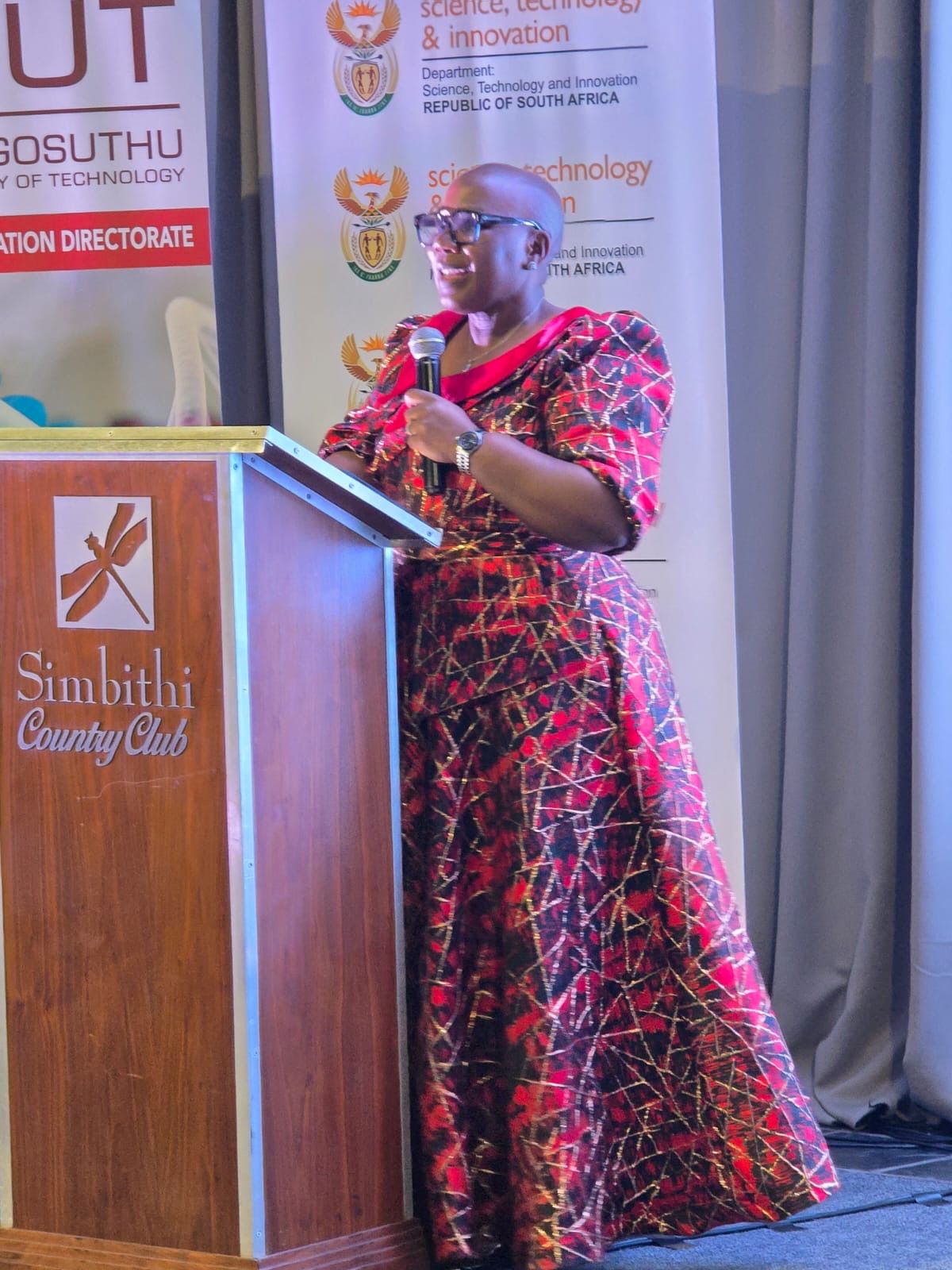
Speaking at the 17th World Intellectual Property Organization’s (WIPO) South Africa Summer School on Intellectual Property and Transfer of Technology in Durban last night, Dr Gina referenced the landmark case of Mr Nkosana Makate, inventor of the “Please Call Me” concept, who after many years finally won his case against Vodacom. She described Makate’s journey as “both inspirational and cautionary,” underscoring the importance of protecting IP from the outset.
“Too often, our young innovators, researchers and entrepreneurs, especially those in townships, and rural areas lose ownership of their ideas simply because they were not empowered with the knowledge to protect them. So, they lose the opportunity to make huge incomes and sustainable livelihood because their ideas were stolen," said the Deputy Minister.
“This is why we believe a programme like this Summer School is helping us to change this by expanding access to IP education, developing capability and ensuring that emerging innovators are empowered to secure and benefit from their own intellectual property,” said Dr Gina.
In a country with so many inspiring and creative young people, with strong scientific base and growing entrepreneurial activity, Dr Gina said IP is the currency that converts those ideas into economic and social value.
Dr Gina also linked this message to the Grassroots Innovation Awards held in Pretoria on Thursday, emphasising that many community-based innovators continue to generate valuable ideas without the means to protect or commercialise them. She stressed that government has a responsibility to ensure that “township and rural innovators do not lose ownership simply because they lacked access to IP education.”
The Deputy Minister highlighted the WIPO Summer School as a flagship programme that equips young professionals across Africa with essential IP and technology transfer skills. She said South Africa remains proud to be one of the few global hosts of this annual programme, which is now producing a growing cohort of IP managers, technology transfer practitioners, and innovation leaders.
Dr Gina further emphasised the need to protect Indigenous Knowledge Systems, ensuring that traditional herbs, medicines, and heritage assets are formally recognised and owned by the communities that created them.
She acknowledged the long-standing collaboration between the Department of Science, Technology and Innovation (DSTI), WIPO and Mangosuthu University of Technology, and commended the National IP Management Office of the DSTI for strengthening IP management capacity across universities and science councils.
These investments, she noted, are already resulting in more disclosures, patents, licences and spin-off companies.
Dr Gina encouraged the young professionals attending the summer school to use the training to safeguard ideas, unlock commercial opportunities and help build stronger innovation ecosystems across the continent.
This year the WIPO Summer School is being held at MUT with the 2025 programme offering participants from across the globe, a deep understanding of IP systems, strategies, and their role in driving innovation, economic development and technology transfer.
Dr Mandla Hlongwane, Deputy Director: Technology Transfer and Innovation at MUT said by hosting this internationally recognised programme, MUT affirms its ongoing commitment to strengthening research capacity, promoting innovation, and supporting the advancement of emerging scientists and entrepreneurs in South Africa and beyond.
“The University is taking a bold step toward strengthening its innovation ecosystem, empowering its researchers, and positioning itself as a significant contributor to national and continental knowledge economies,” said Dr Hlongwane.
Started on 24 November, this year’s programme will end on Friday, 5 December.
ISSUED BY THE MINISTRY OF SCIENCE, TECHNOLOGY AND INNOVATION


