
SA, Tunisia reaffirm science diplomacy as pillar for women’s empowerment.
Science diplomacy must be harnessed as a tool to close gender gaps, accelerate progress toward the United Nations Sustainable Development Goals, and inspire the next generation of girls to pursue careers in science.
This was the central message as South Africa and Tunisia jointly celebrated Women’s Month in Pretoria today, reaffirming their partnership in advancing women’s empowerment through diplomacy in science, technology and innovation (STI).
Both countries, which mark National Women’s Day in August, used the occasion to reflect on their shared history of women’s struggles and emancipation while strengthening collaboration to address barriers to gender equality in science and innovation.
Hosted by the Department of Science, Technology and Innovation (DSTI) and the Embassy of Tunisia, the event explored “The Role of Science Diplomacy in Women’s Empowerment: South African–Tunisian Experience.”
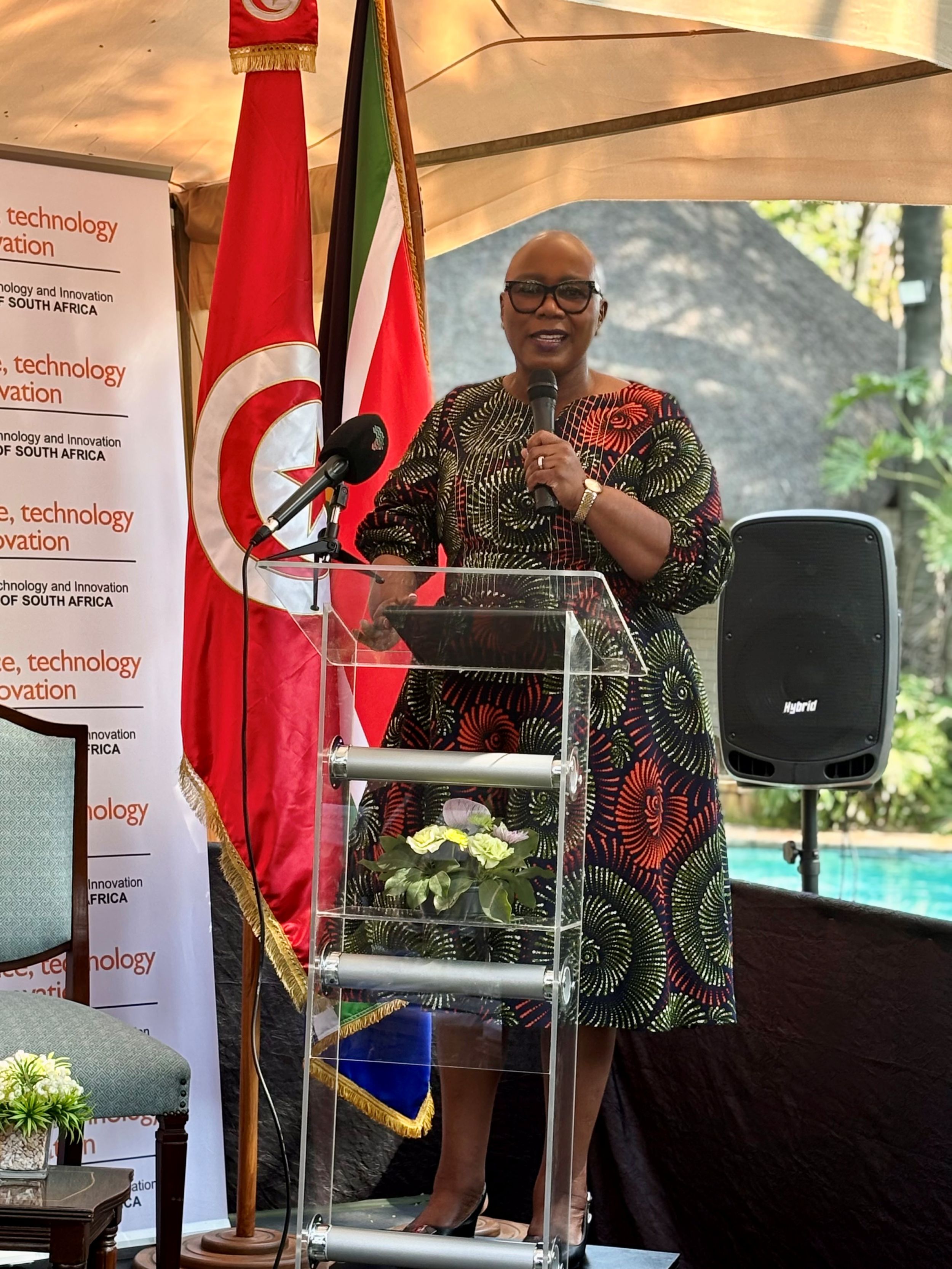
Delivering the keynote address, Deputy Minister of Science, Technology, and Innovation, Ms Nomalungelo Gina, stressed that “science knows no borders” and called for deeper cooperation between South Africa and Tunisia.
“We are here to insist that science diplomacy without a gender dimension is incomplete. We, as women across borders, must start collaborating on joint scientific and research projects more than before. We must support each other across nations,” said Ms Gina.
She highlighted achievements since the signing of the 2010 STI cooperation agreement with Tunisia, including joint research projects worth over R14 million.
The Deputy Minister reaffirmed South Africa’s commitment to inclusivity through policies such as the STI Decadal Plan, the Grassroots Innovators Programme, and targeted support for women in STEM.
South Africa’s strides also include National Research Foundation funding instruments for Master’s and PhD studies, the annual South African Women in Science Awards (SAWiSA), and bursaries offered through the SA Radio Astronomy Observatory, which currently supports a Tunisian researcher, Dr Raja Mchaalia.
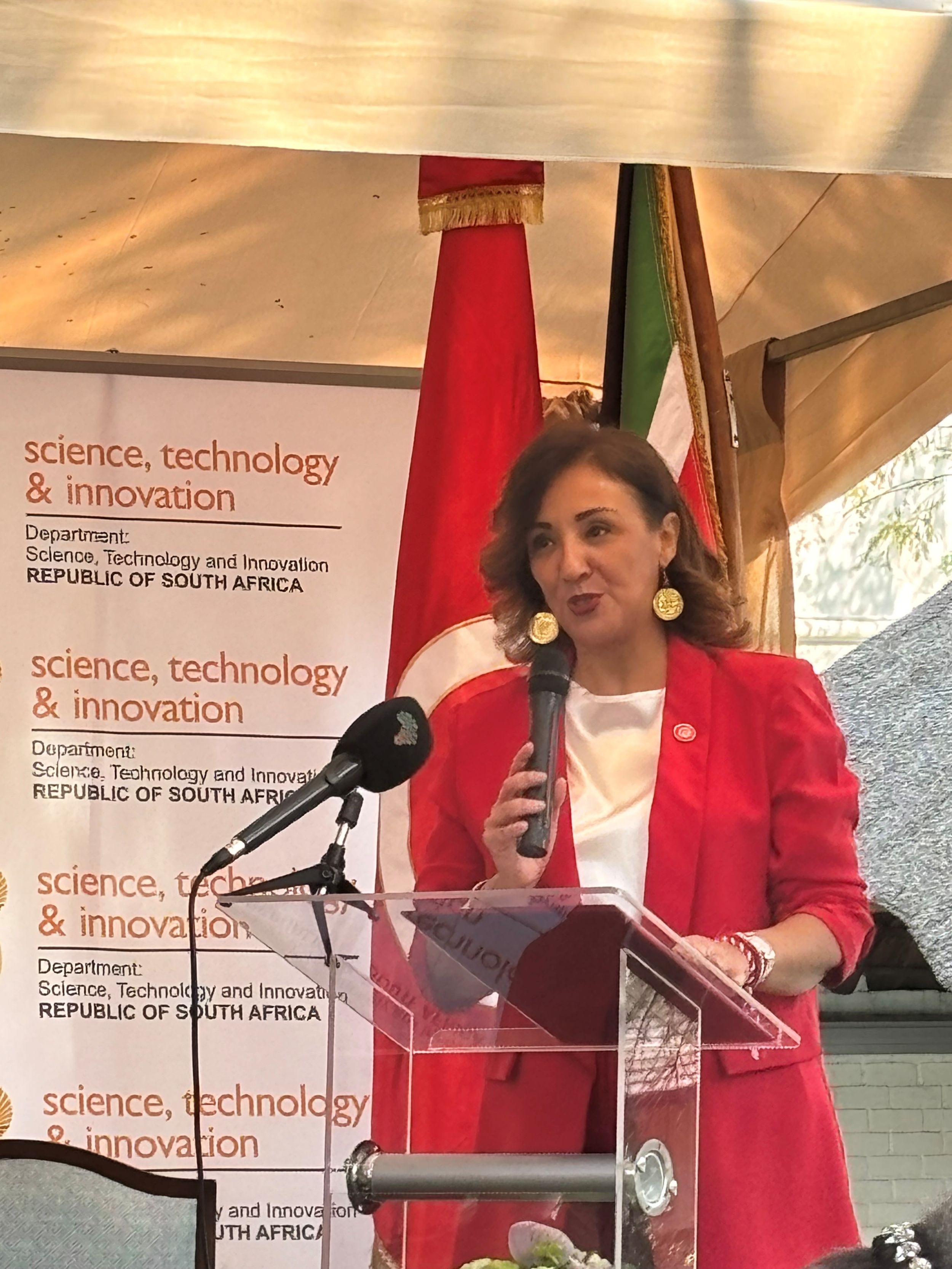
Tunisia’s Ambassador to South Africa, Ms Karima Bardaoui, outlined her country’s progress in advancing gender equality since independence in 1956. Women now make up more than 55% of science graduates and hold a high proportion of PhDs.
“We have implemented policies aimed at ensuring access to education for all and at providing knowledge, tools, and opportunities that help bridge gender gaps and promote equality, regardless of gender, socioeconomic background, or geographic location,” said Ms Bardaoui.
She stressed that science diplomacy can help address underrepresentation in leadership, funding disparities, and cultural barriers, while inspiring the next generation of African women scientists.
The programme, supported by the Science Diplomacy Capital for Africa (SDCfA), featured thematic discussions with AUDA-NEPAD, UN Women, the Commission for Gender Equality, and representatives from leading South African universities.
Programme Officer at AUDA-NEPAD, Dr Barbara Glover, urged greater visibility for women in science, saying, “Let us put women on the map so that the younger ones can see.” A recipient of NRF bursaries, Dr Glover shared how science diplomacy enabled her to study in both Africa and Europe, including in France and Italy.
Founder of Traversing Liminality, Dr Lulamile Gwagwa, encouraged DSTI to create a networking platform for SAWiSA participants to engage and collaborate. Recent SAWiSA winner, Dr Maurine Musie, said the awards inspired her to start a podcast on maternal and neonatal health in Africa.
The event concluded with a united call to strengthen bilateral and continental partnerships that place women at the centre of science diplomacy.
Deputy Minister Gina summed up the spirit of the day: “Women supporting each other, instead of competing against each other, bring a unity and strength like no other. Let’s hold hands and empower each other across our countries.”
Issued by the Ministry of Science, Technology and Innovation
For more information, please contact Veronica Mohapeloa at 083 400 5750 or This email address is being protected from spambots. You need JavaScript enabled to view it.