
Meet the Finalists in Human and Social Sciences – Distinguished Woman Researcher Category at the South African Women in Science Awards 2025
As South Africa celebrates Women’s Month, the Department of Science, Technology and Innovation (DSTI) proudly unveils the finalists of the South African Women in Science Awards (SAWISA) 2025. These exceptional women exemplify excellence, leadership, and transformative impact in research and innovation. Today, we spotlight the finalists in the Distinguished Woman Researcher category in the Human and Social Sciences.
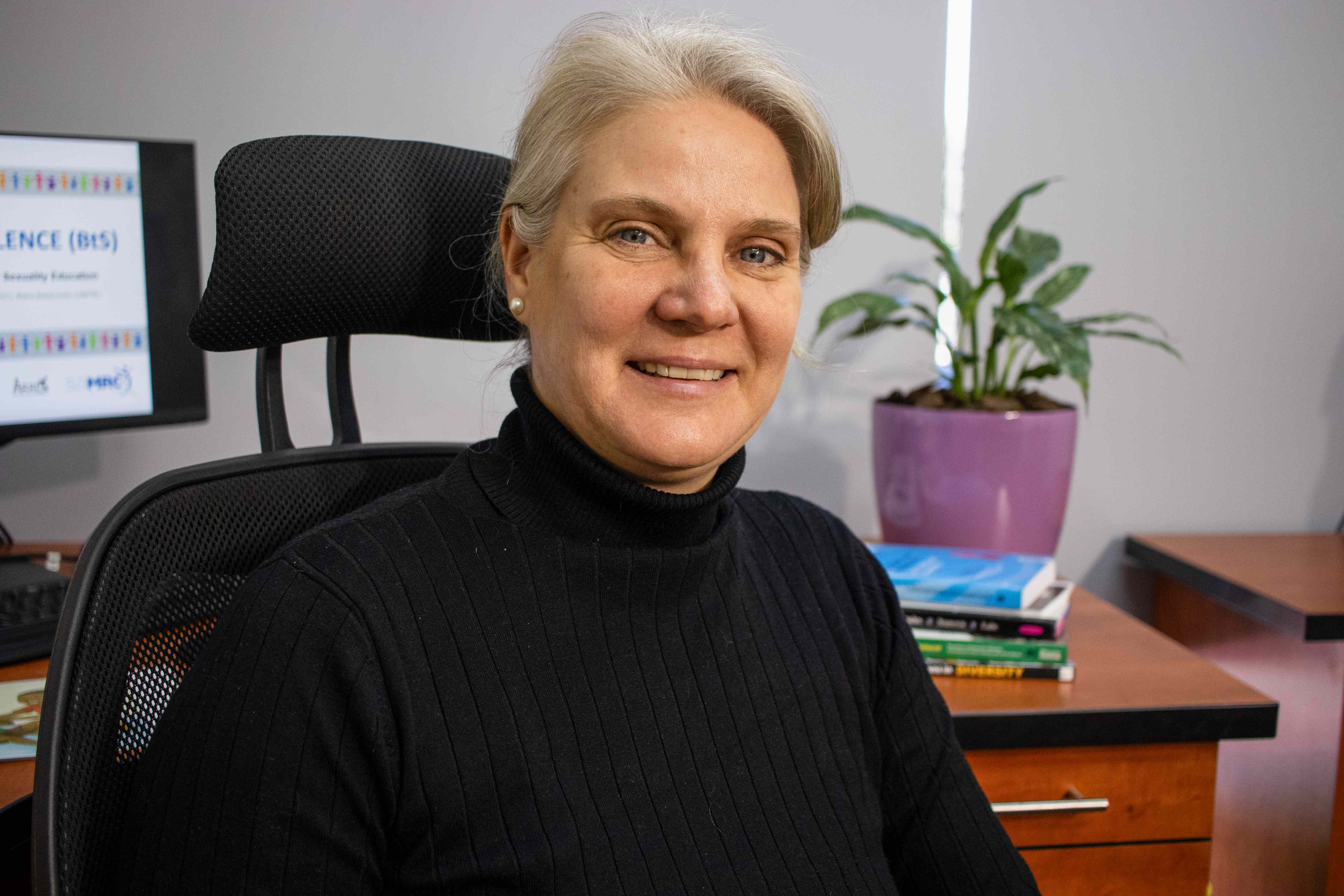
Prof. Jill Hanass-Hancock is a Chief Specialist Scientist at the South African Medical Research Council (SAMRC) and an Honorary Professor at the University of KwaZulu-Natal (UKZN) School of Health Sciences. Prof. Hanass-Hancock's research focuses on reducing the vulnerability of people with disabilities – particularly women – to HIV and gender-based violence by developing inclusive policies, interventions and monitoring approaches.
Prof. Hanass-Hancock has been instrumental in advancing the production of disability-disaggregated data in sub-Saharan Africa and has contributed to disability rights monitoring through the development of practical tools, such as the Disability Awareness Checklist, which is designed to improve accessibility in health services. Her work also includes pioneering methods to measure the extra costs associated with disability and designing inclusive comprehensive sexuality education programmes, such as Breaking the Silence. These programmes are aligned with UN guidelines and are adaptable across various country contexts.
Her research has contributed significantly to global evidence on disability inclusion in health, education and social protection systems. It has influenced international efforts led by the UN Children's Fund (UNICEF) and the Missing Billion project. The Disability Awareness Checklist tool has been adapted and tested in diverse contexts, including Uganda and the UAE.
Prof. Hanass-Hancock is a prolific scholar, having authored more than 90 peer-reviewed publications in leading journals, including The Lancet, Disability and Health Journal, and Journal of the International AIDS Society. She also plays a pivotal role in mentoring emerging researchers and collaborating with stakeholders in the health and disability sectors to promote inclusive services. Her innovative knowledge translation strategies range from film production and training methods to disability sporting events and public engagement in national steering committees.
She is widely recognised for her sustained support of the disability sector through public engagement platforms such as disability networking zones at international HIV/Aids conferences and her representation of the disability sector at the South African National Aids Council. Her advocacy has led to the full inclusion of people with disabilities in the National Strategic Plan on HIV, Tuberculosis (TB) and Sexually Transmitted Infections for 2023-2028, as well as in the development of a disability-inclusive Global Fund application for 2024.
Prof. Hanass-Hancock holds a B2 rating from the National Research Foundation (NRF) and is a frequent keynote speaker at international conferences.
She has played a key role in capacity building within the field, having mentored two postdoctoral fellows, supervised six PhD students and 10 master's students (several of whom are people with disabilities), and she is currently supervising one PhD student. Additionally, she has mentored several academics, including four DSTI–Human Sciences Research Council interns (two with disabilities) and three Disability Data Initiative fellows (one with a disability).
The South African Women in Science Awards celebrate the outstanding contributions of women researchers across disciplines, inspiring future generations and advancing equity in science, technology, and innovation.
Stay tuned as we continue to profile the 2025 finalists during Women’s Month.


