
Mbombela plays host to Ocean20 outreach event at Lowveld Botanical Garden
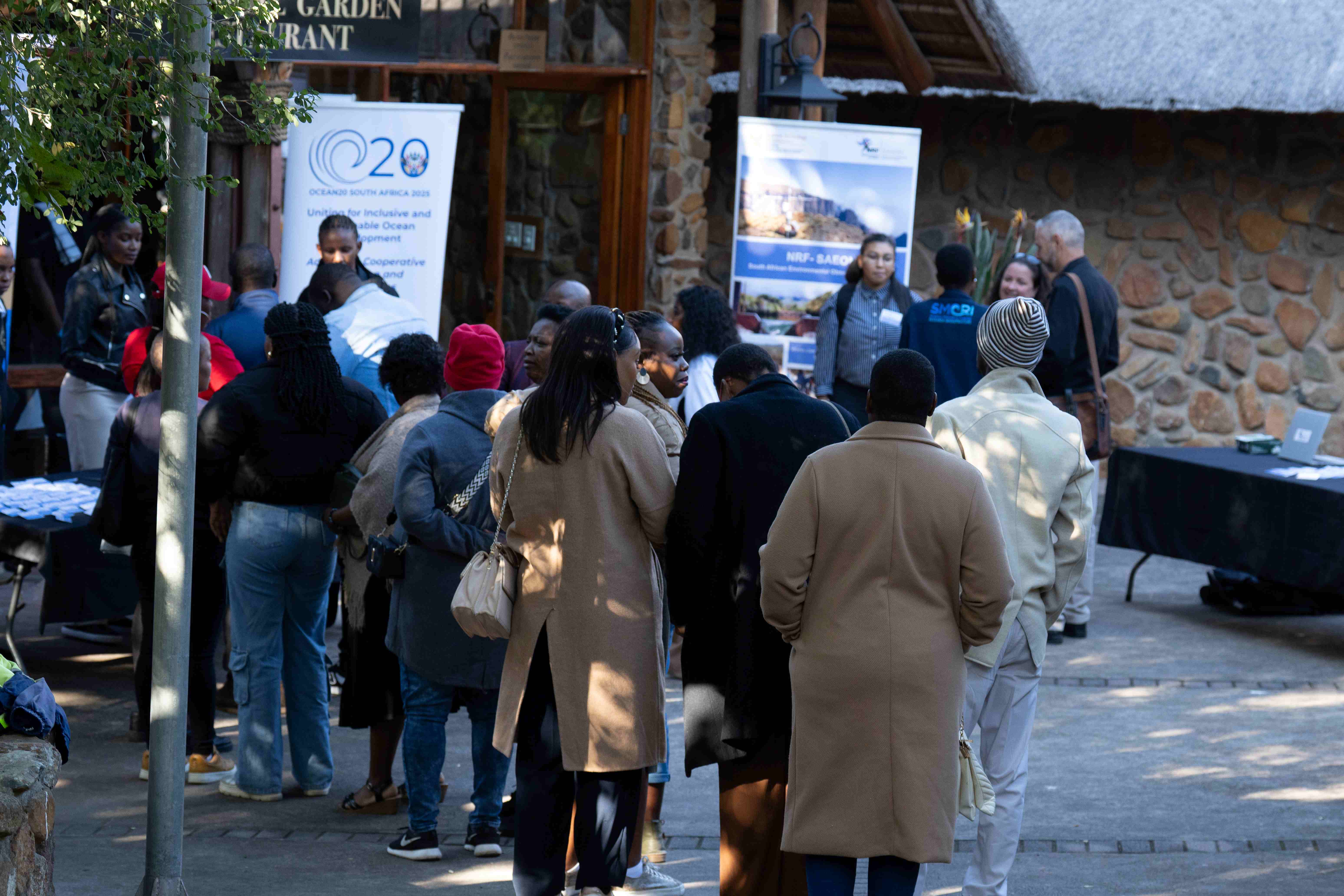
In a fusion of biodiversity and blue economy advocacy, the Lowveld Botanical Garden in Mbombela formed the backdrop to the ministerial Ocean20 outreach event, which took place on the sidelines of the second G20 Research and Innovation Working Group meeting at the University of Mpumalanga. Hosted by the Department of Science, Technology and Innovation (DSTI), the first event of its kind echoed far beyond the coastlines of South Africa.
Members of inland communities joined experts, scientists and students to participate in a dialogue about the ocean, life, responsibility and the unbreakable link between inland communities and marine ecosystems.
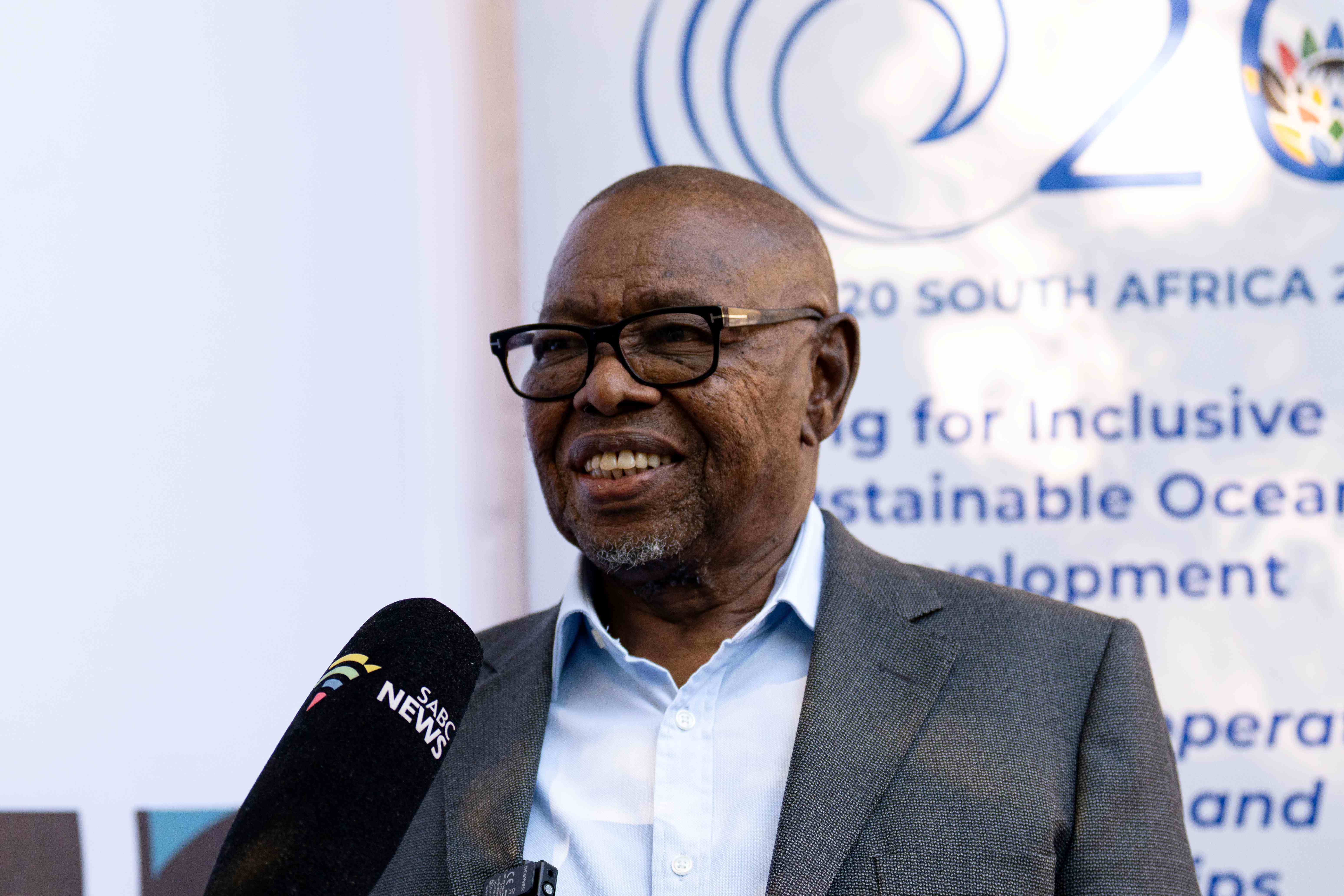
Minister of Science, Technology and Innovation, Prof. Blade Nzimande, delivered a compelling message of urgency and hope.
"We may not see the ocean every day, but the ocean feels the impact of our everyday actions," Prof. Nzimande said.
"It is important to raise awareness in both inland and coastal communities about the ocean as part of South Africa's biodiversity heritage," he emphasised.
Holding this year's G20 Presidency, South Africa has taken the mantle to lead with purpose. The choice of hosting an Ocean20 outreach event in Mbombela, a city far from any coastline, may have puzzled some. But for Minister Nzimande, it was a deliberate and significant gesture.
"The ocean produces over half of the oxygen we breathe, despite our long distance from the sea. Therefore, every breath we take is a gift from the ocean," said the Minister.
With a coastline stretching 3 650 km and an exclusive economic zone comprising over 1 5 million km² of ocean, South Africa's oceanic footprint is vast. A successful continental shelf claim could soon expand our existing territory by an additional 880 000 km², further amplifying the country's global marine responsibility.
Dr Mary-Jane Bopape, Managing Director of the South African Environmental Observation Network, a business unit of the National Research Foundation (NRF), reminded attendees that this was not just an awareness event, but was also a call to action rooted in science, innovation and education.
"Today is about bridging the blue and the green," said Dr Bopape.
"We're here, far from the coast, to ask, why do oceans matter to inland communities? Because the rain that nourishes our crops, the floods that challenge our infrastructure, and the oxygen we breathe are all touched by the ocean," said Dr Bopape.
Dr Bopape highlighted South Africa's role in METAREA VII, the second-largest marine meteorological area in the world. The country issues vital forecasts that safeguard lives and maritime activities across the South Atlantic Ocean, Southern Ocean, and southwest Indian Ocean.
"The majority of natural disasters we face are ocean-driven. Floods, droughts and storms begin over the sea and end up here, where they affect our food, our homes and our lives," she explained.
The event, hosted at the Biodiversity Education and Empowerment Centre, was a sensory and intellectual experience. Learners from local schools explored interactive exhibits on marine ecosystems, weather patterns, pollution and ocean monitoring technologies. They engaged with marine scientists, tested real-time weather data systems and even participated in a live science quiz.
The outreach is part of a broader DSTI strategy to bring science closer to communities, particularly in rural and peri-urban areas. Programmes such as South African National Antarctic Programme, the Shallow Marine and Coastal Research Infrastructure, and the South African Polar Research Infrastructure, run through the NRF, support a wide spectrum of marine and coastal research – from Antarctica to the shores of Gqeberha.
"Through these programmes, we are deploying environmental monitoring infrastructure that allows us to understand what is happening on our coasts and surrounding oceans, strengthening the country's position as a contributor to marine science," Prof. Nzimande said.
Behind the science is a story of opportunity. The oceans are not just ecosystems, they are engines of economic growth, supporting trade, jobs, food security and innovation. Inland communities have a role to play in reducing pollution, conserving freshwater systems, and becoming stewards of the environment.
"We are part of the solution. Let today not just be an event; let it be a conversation starter in our homes, classrooms and traditional councils," Dr Bopape urged.
From workshops to field trips, ocean literacy campaigns, and science engagement in schools, the DSTI is ensuring that young people, regardless of their location, see the ocean not as a distant abstraction, but as a living, breathing part of their world.
As the sun filtered through the trees of the lowveld, the message rang clear – the ocean gives life, and that life must be protected not just by those who live by the sea, but by every citizen who benefits from its gifts.
"A healthy ocean means a healthy planet. That means a safer, more stable future for our children and generations to come even here, far from the ocean," Minister Nzimande reminded the crowd.
The ministerial Ocean20 outreach event was a powerful reminder that the heart of ocean conservation beats just as loudly in the rivers of Mbombela as it does in the waves of the Atlantic and Indian oceans.