
African collaboration and solidarity in science, technology and innovation are key to continental development
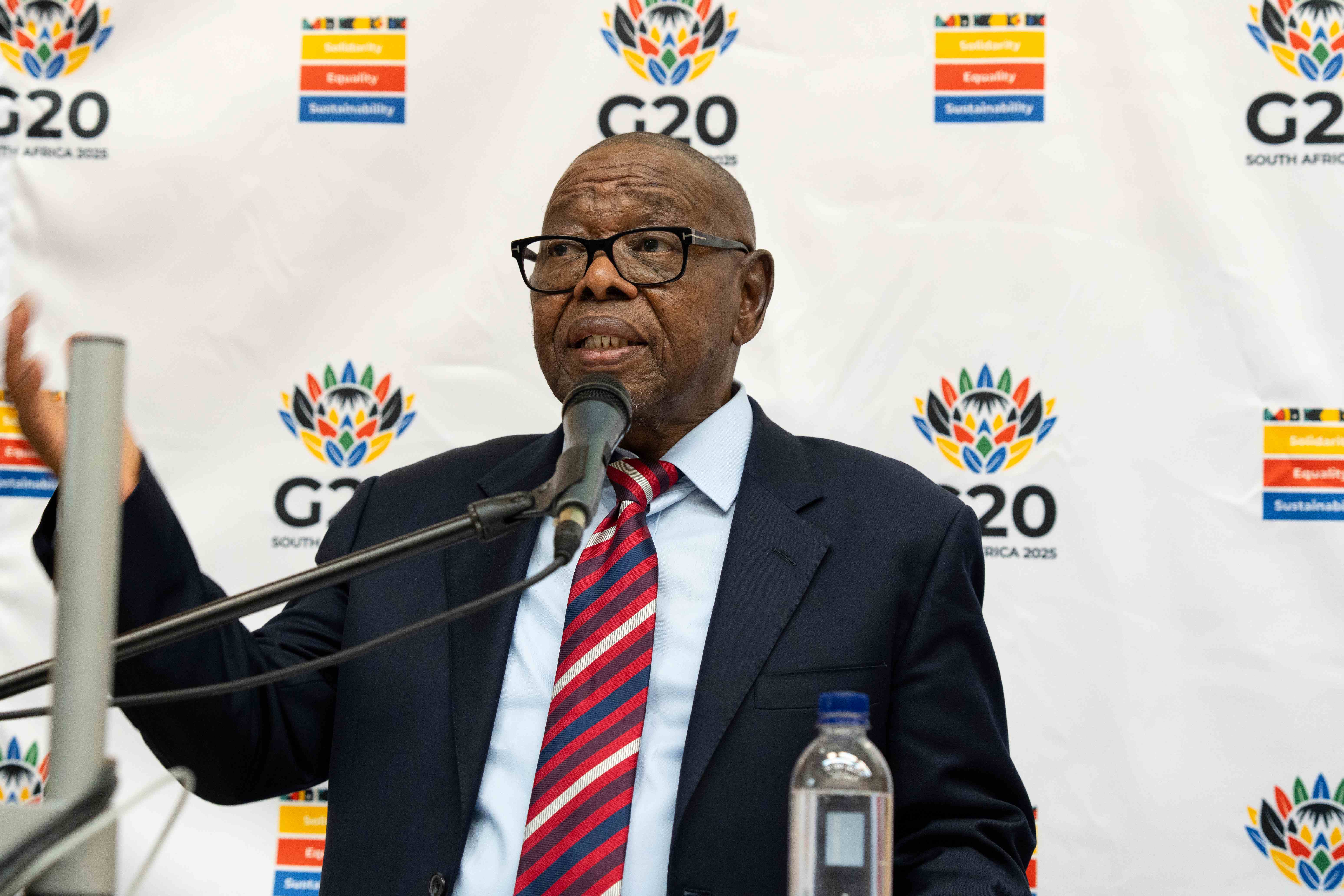
The Minister of Science, Technology and Innovation, Prof. Blade Nzimande, says that Africa's development hinges on its ability to harness science, technology and innovation (STI) as instruments of transformation.
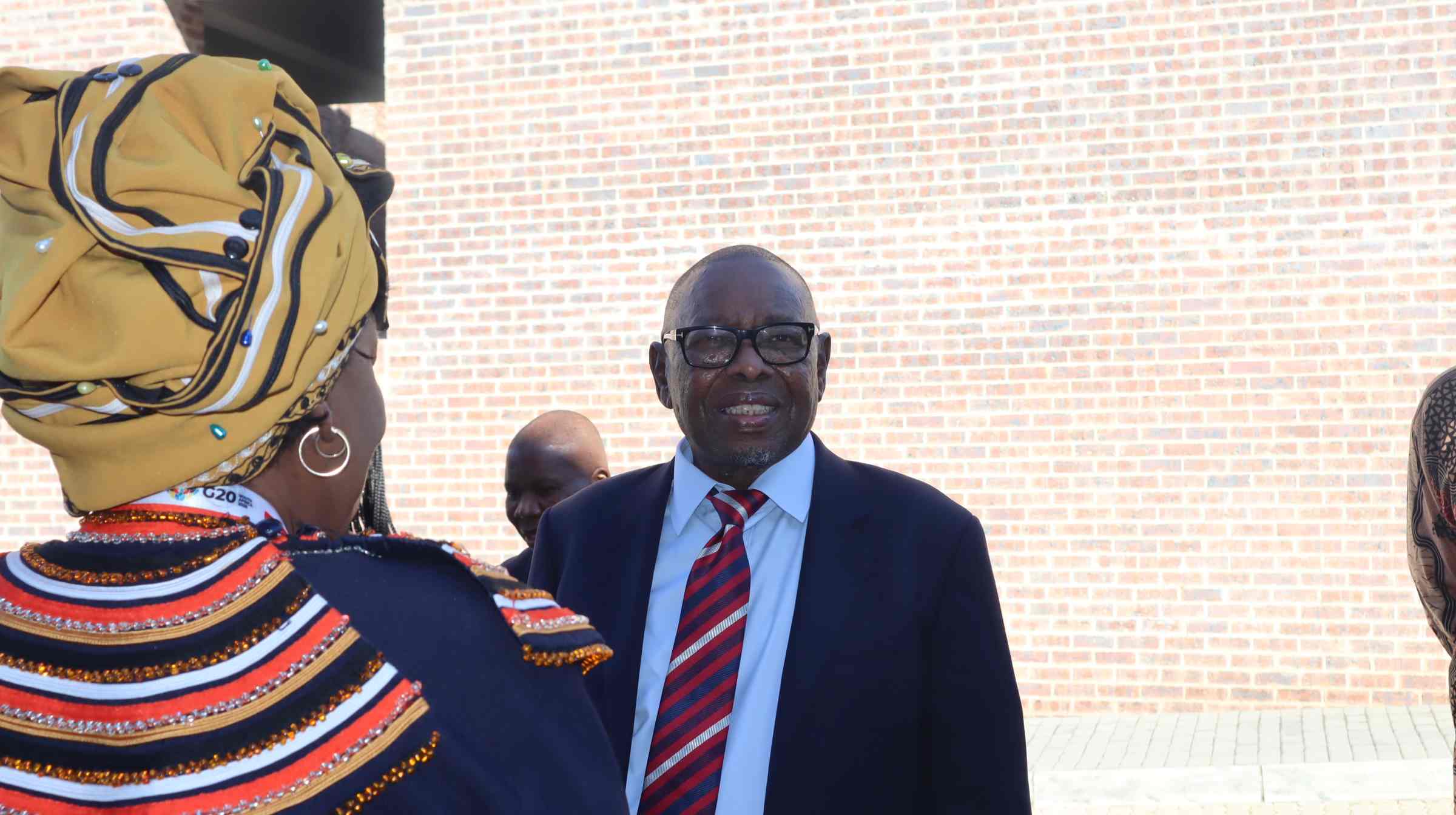
The Minister spoke at the Department of Science, Technology and Innovation's Africa Day celebration, which was held at the University of Mpumalanga on 25 May 2025 and attended by diplomats, scientists and policy makers from G20 and African states.
The Minister said Africa's scientific aspirations must align with the ideals of freedom, unity and sovereignty that defined the creation of the then Organization of African Unity in 1963.
"Inspired by the vision of our forebears 62 years ago, today's African political leaders, policy makers, business leaders and scientists must continue with the mission of using available financial resources, policy, and institutional mechanisms to extricate Africa from all manner of foreign domination," Prof. Nzimande said.
Themed "Harnessing global solidarity for the implementation of STISA-2034", the celebrations focused on the progress that African countries and their citizens have made while reflecting upon the common challenges faced in the global environment.
The Minister highlighted the significance of South Africa's presidency of the G20 – a first for an African state – as a continental leadership moment, noting that "we view our G20 Presidency as an African Presidency".
He highlighted the importance of developing Africa's capabilities in the digital economy, focusing on the transformative power of artificial intelligence (AI).
He acknowledged the global consensus that emerging technologies such as AI offer immense opportunities, while also presenting complex challenges. From revolutionising health diagnostics to advancing climate modelling, AI is already reshaping lives across the globe.
Minister Nzimande stressed the urgency of fostering African-led AI research that reflects the continent's unique languages and cultures and safeguards against a deepening technological dependency. Noting that South Africa is actively developing a national AI strategy, he commended the African Union (AU) for its efforts in crafting the Digital Transformation Strategy for Africa (2020-2030) and the Continental AI Strategy.
These initiatives signal a strong continental commitment to leveraging digital innovation to drive socio-economic transformation, enabling deeper integration, spurring inclusive growth, creating jobs, bridging digital divides and, ultimately, working towards the eradication of poverty across Africa.
He lamented Africa's low contribution to global research, noting that, despite having 60% of the world's arable land and 30% of its mineral reserves, the continent contributes just 2% to global research output.
"If we are to change all this, we will have to implement a set of bold and innovative policies," he said.
This should include enhancing the quality of maths and science teaching at foundation phase level in Africa; significantly increasing public and private funding of science; incentivising private sector research; nurturing and retaining African talent; and building and maintaining cutting-edge infrastructure across the continent.
He issued a strong challenge for the establishment of an African research and development fund aligned with the AU's STI Strategy for Africa (STISA) 2034.
Calling STISA-2034 a "collective blueprint," Prof. Nzimande reiterated South Africa's full commitment to its priority areas, including clean energy, food security, health, and water resources.
He pointed out South Africa's investment in key continental flagships such as the African Institute for Mathematical Sciences, the African Laser Centre, and biosciences and water research networks such as the Southern Africa Network for Biosciences and the Southern African Network of Water Centres of Excellence, saying they are levers for transformation across the continent.
Referencing major initiatives like the Square Kilometre Array, which is hosted in collaboration with eight other African countries, Prof. Nzimande championed science diplomacy as a key to African integration and global influence.
The Africa Day celebration also featured a G20 Africa STI Leaders Dialogue, which focused on the role of AI in implementing STISA-2034. The key African priorities that were discussed included open innovation for development, biodiversity for sustainable development, and diversity, equity, inclusion and accessibility in STI.
Prof. Thoko Mayekiso, Vice-Chancellor of the University of Mpumalanga, encouraged Africans to work together to build an environment that is conducive to growing prosperity, democracy and peace. Commemorative days like Africa Day remind us that the identity and humanity of Africans need to be respected and appreciated.
"Africa Day is an opportunity to distance ourselves from xenophobia and all its evils. We deny our humanity by treating others differently because they are from another country. We must be committed to embracing other people in their uniqueness and not judging them because they do not look like us, sound like us, or value the same things as we do," she said.
She highlighted the university's aims to recognise, affirm and embrace the African experience and context in its academic projects.
The day also marked the start of the second meetings of the G20 Research and Innovation Working Group (RIWG) and the G20 Initiative on Bioeconomy (GIB).
Speaking on behalf of the director of the AU Commission, Dr Mahaman Bachir Saley said that the Commission is honoured to participate in the second RIWG and GIB meetings, which are significant as they are being held in Africa for the first time and coincide with the Africa Day celebration.
"This moment requires us to reflect on our shared historical experience as a people, as well as our collective aspiration to transform the continent into a thriving and prosperous community. As we look to the future with optimism and action, we must be eager to use STI to advance the African development agenda," he said.