
"Asteroid Hunters" grabs youngsters' imagination at Planetary Defence Conference
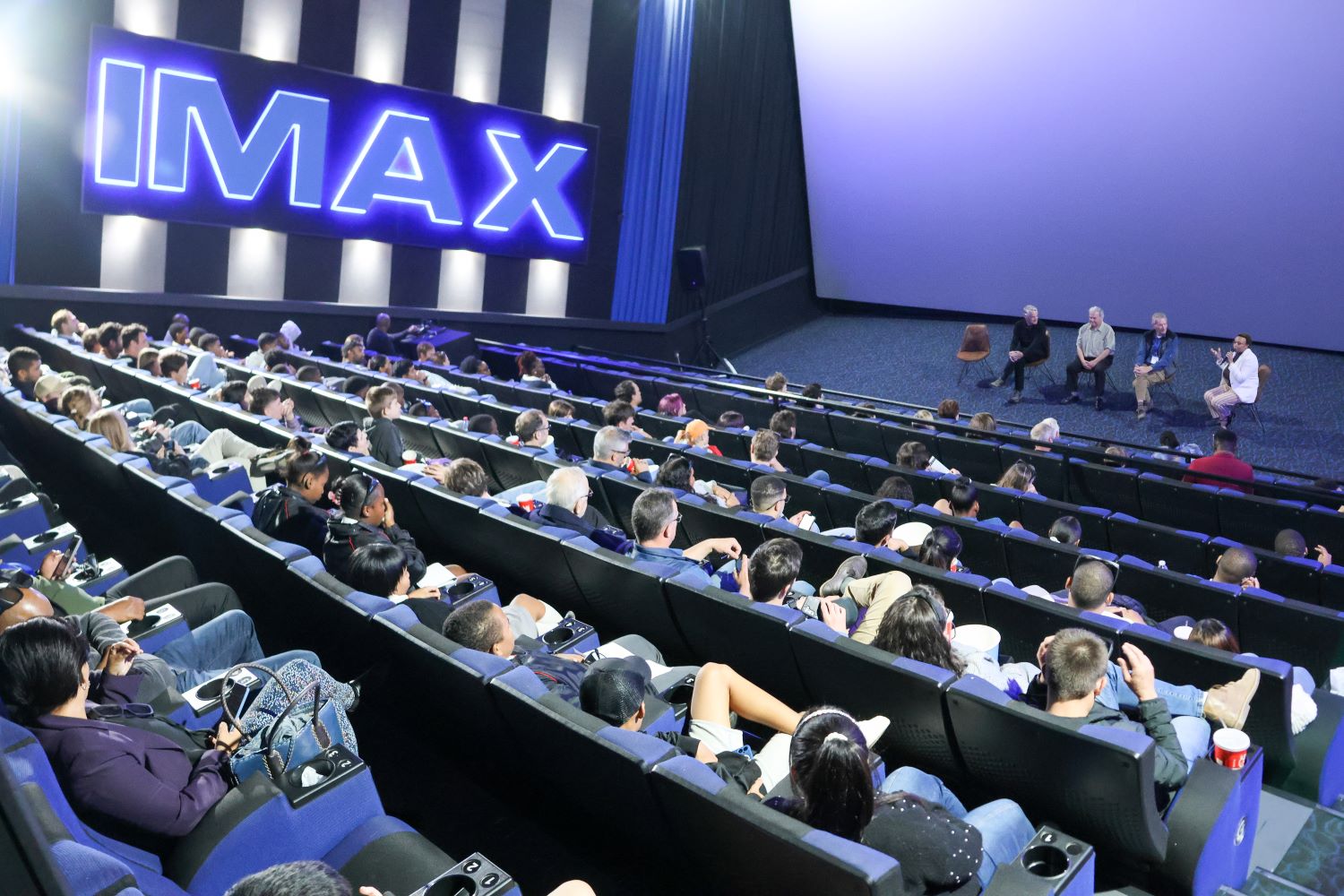
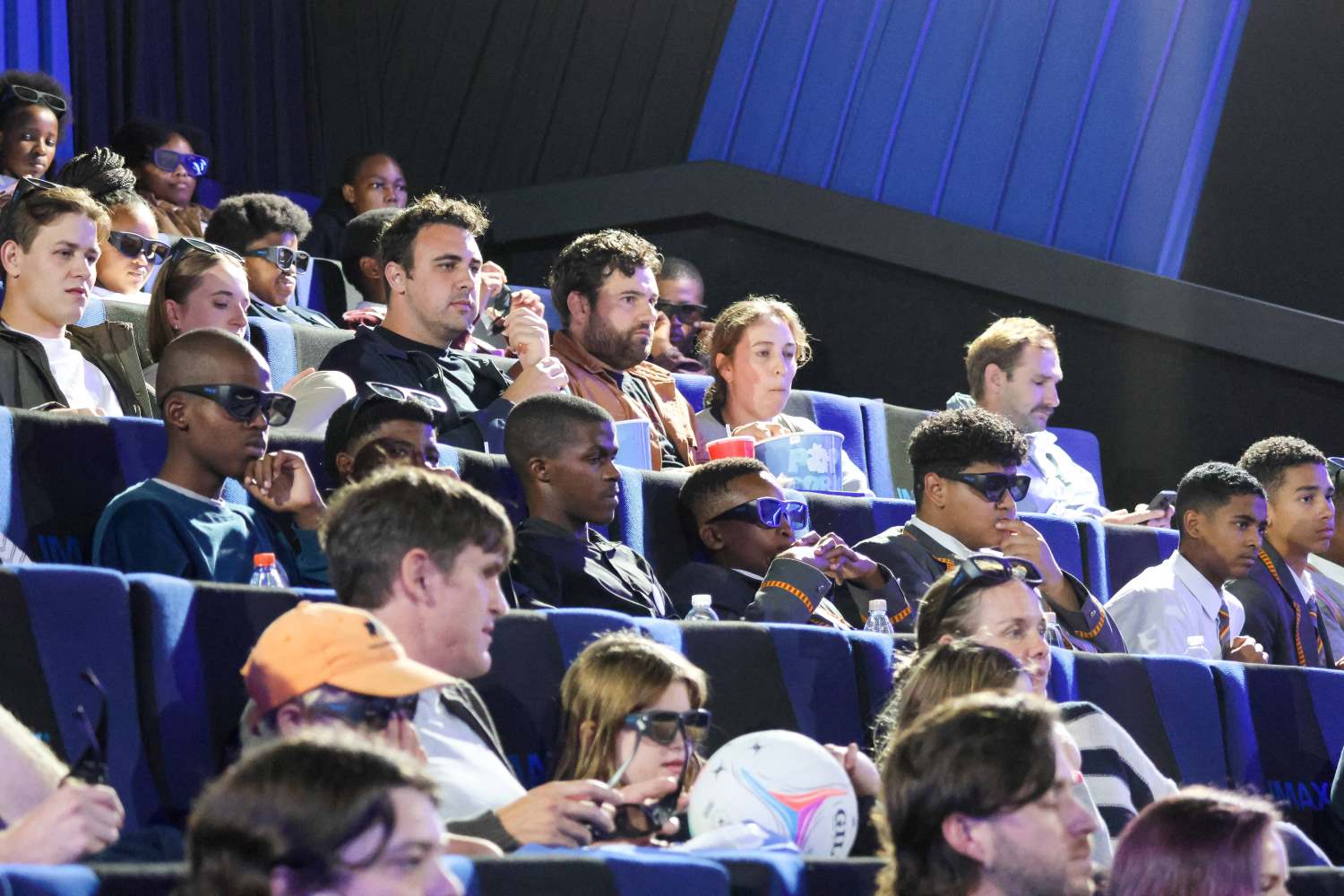
Learners from local schools joined scientists, researchers and experts attending the 9th International Academy of Astronautics Planetary Defense Conference to watch the documentary "Asteroid Hunters" at an IMAX cinema on 7 May 2025.
The conference, the focus of which is protecting the planet from hazardous near-Earth objects like asteroids or comets, included a screening of the film at the V&A Waterfront for learners from Calling Academy, Kayamandi Secondary School, Paul Roos Gymnasium, Lückhoff High School and Cloetesville High School.
The 3D show created an almost real-life experience. The adrenaline-pumping, eye-opening journey through space had learners leaning forward wide-eyed as the spacecraft blasted off.
Welcoming the learners was Ms Fikiswa Majola, Deputy Director: Space Systems at the Department of Science, Technology and Innovation. Her message was clear; this moment was about more than a film.
"Your presence reminds us why events like this matter," she said, "Because the future of science, technology and innovation, which you represent, starts with curiosity, imagination, and the spark of inspiration. We hope tonight sparks new questions, ideas and dreams for each of you."
And spark it did. From the first asteroid collision on screen to the quiet, calculated work of scientists tracking potential threats to Earth, "Asteroid Hunters" gave learners a front-row seat to the global efforts that go into protecting our planet.
At its heart, the film is a tribute to the power of collaboration between scientists, engineers, space agencies and countries working together to face cosmic risks.
Majola took the opportunity to tell the audience about South Africa's active role in shaping international space policy, including on the United Nations Committee on the Peaceful Uses of Outer Space (COPUOS). COPUOS was established in 1959 with just 24 members and now has 87, making it one of the largest UN committees. South Africa has long been part of this journey, contributing to discussions on sustainable space exploration, and the role of space technology in development.
As the credits rolled, the sense of wonder lingered. For the learners, it had not been just an evening at the movies, but an invitation into a world where science is thrilling, necessary and deeply human. Conversations about asteroid deflection, black holes and what it takes to become a space scientist spilled into the aisles as they left.
In a darkened cinema, curiosity had come alive. And to a generation still finding its place in the universe, "Asteroid Hunters" may have shown them where to start looking.