
Turning construction waste into building blocks for the future
Just in time for Earth Day, South Africa's Department of Science, Technology and Innovation (DSTI) has started rolling out its Circular Economy Demonstration Fund initiatives, aimed at sustainable development.
In partnership with the Council for Scientific and Industrial Research (CSIR) and small businesses Use-It, and Key Bricks, the DSTI participated in the demonstration of a green building block prototype on 11 April 2025 in Hammersdale. This innovation transforms construction and demolition waste, such as crushed glass and rubble, into durable, eco-friendly bricks for low-cost RDP housing.
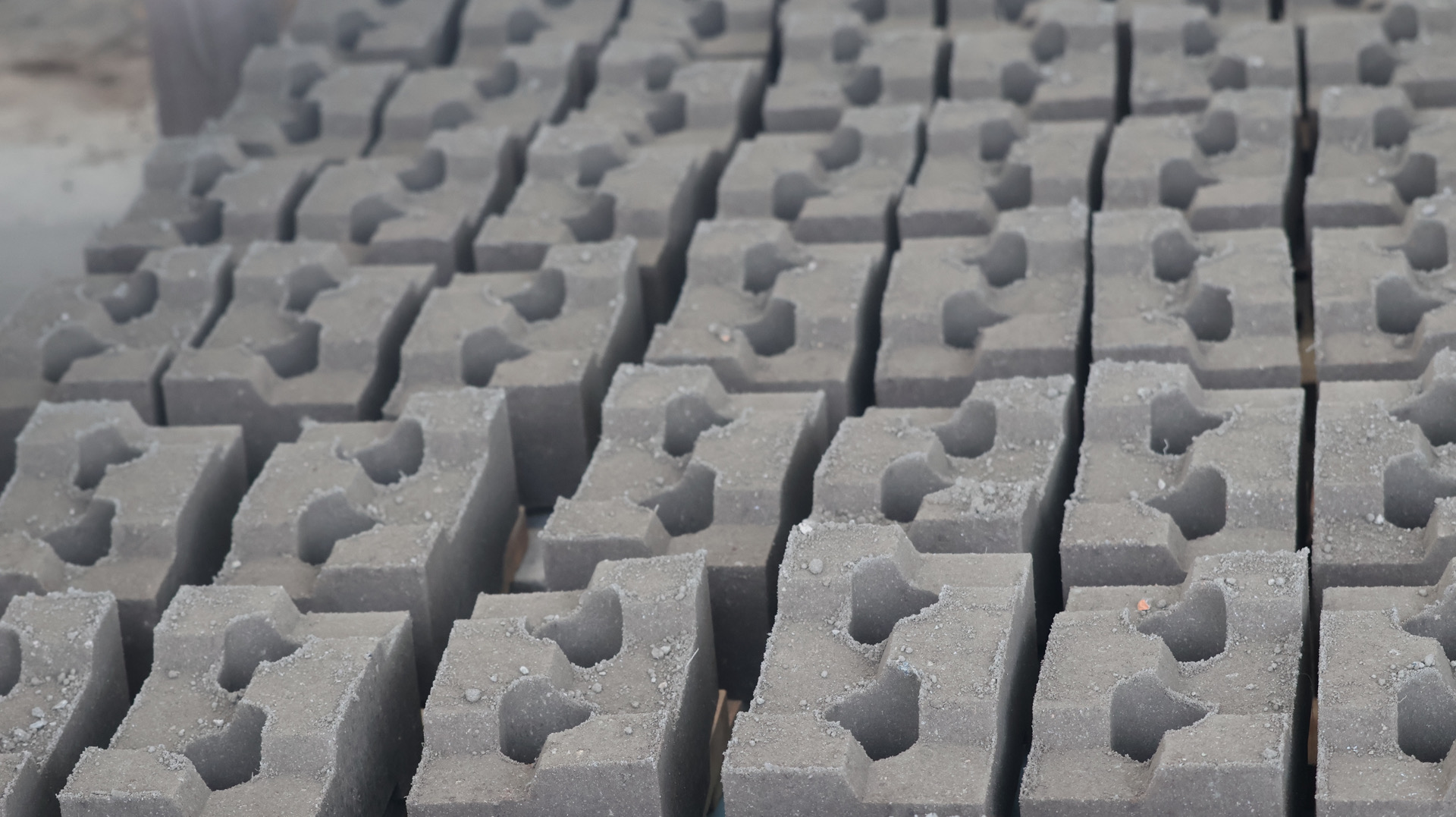
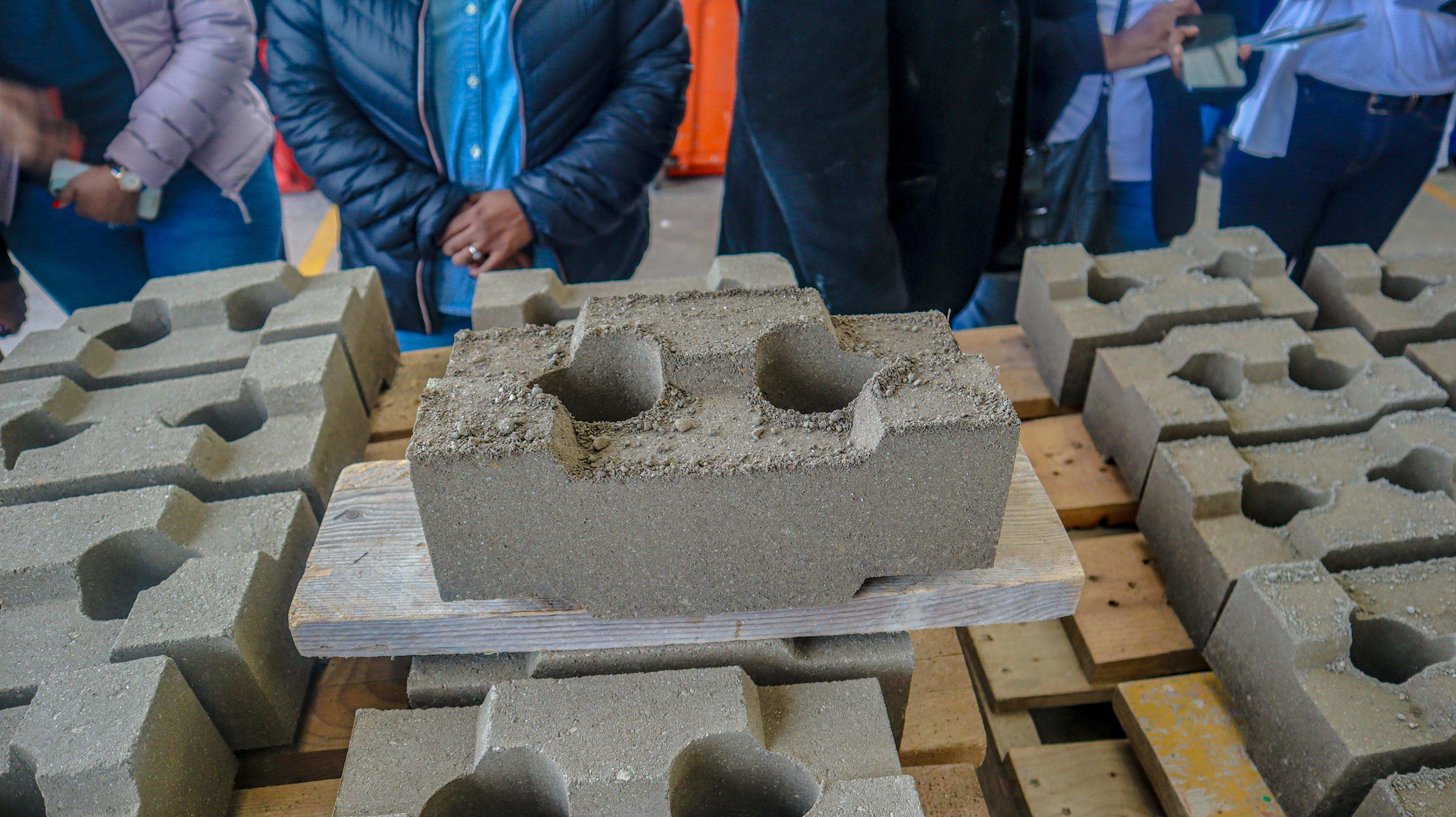
Attendees were guided through the full lifecycle of the building block, from crushing waste glass and rubble to the finished interlocking block and, finally, its use in constructing a housing unit. Made of 70% recycled content and 100% recyclable, the green block is designed with sustainability, affordability and ease of use in mind.
What sets the block apart from other construction material is its interlocking Lego-like design, which allows for quick assembly without needing cement to join the layers. Internal hollows in each block create vertical channels for wiring and plumbing, eliminating the need to cut grooves and reducing material wastage. The blocks are ideal for communities with limited construction experience and can be dismantled and reused elsewhere – adding flexibility and longevity to low-cost housing solutions.
"This innovation emerged from the need to find local markets for waste glass and rubble in KwaZulu-Natal," said Ms Belinda Putterill, Managing Director of Use-It. "Transporting waste glass to Gauteng isn't viable due to cost, which means much of it ends up as uncollected waste, impacting the environment. We needed local solutions for local problems."
Illegal dumping of construction rubble is a growing issue in many towns and cities across the country. By converting this waste into building material, the initiative not only supports environmental cleanup, but also addresses the national housing backlog. According to CSIR senior researcher Mr Aubrey Muswema, the block could unlock new revenue streams for local companies and small businesses in the construction sector.
"Using waste as a resource can open new business opportunities," said Mr Muswema. "This innovation supports social relief efforts while contributing to cleaner, more sustainable cities."
The prototype and block-making machine were demonstrated to stakeholders, including municipal officials and representatives of the private sector and small enterprises in the building and housing sectors.
Dr Mmboneni Muofhe, Deputy Director-General: Socio‑Economic Innovation Partnerships at the DSTI, praised the collaboration between government, science councils and small businesses.
"South Africans have practiced circular economy principles for generations, just without the label," Dr Muofhe said. "This project shows what's possible when creativity and systemic collaboration meet. It's a testament to the power of partnerships."
Prof. Linda Godfrey, CSIR principal researcher and manager of Circular Innovation South Africa, highlighted the broader vision of the fund.
"The circular economy holds enormous potential for South Africa. We've long understood its value, but we haven't scaled it for meaningful impact," said Prof. Godfrey. "Through the fund, we aim to help businesses and industry demonstrate, de-risk, and scale circular innovations, unlocking vital socio-economic opportunities."
The green block project is one of several initiatives supported by the DSTI's Circular Economy Demonstration Fund, which connects research institutions with the private sector to turn innovative ideas into tangible, scalable solutions.
For more information and future updates, visit www.dsti.gov.za.