
Bootcamp equips young engineers to drive sustainable water solutions and the circular economy
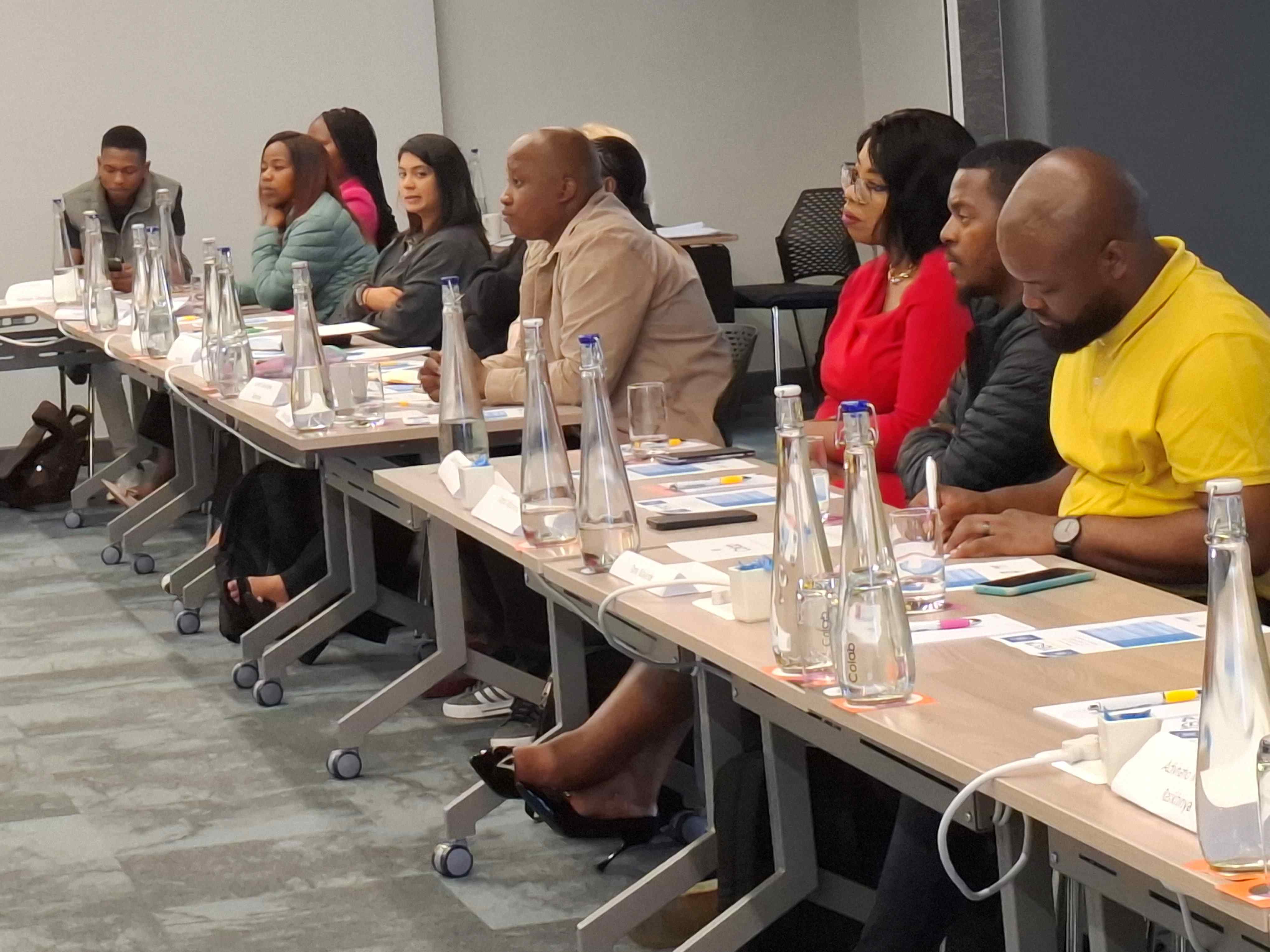
The Young Engineers Changemakers Programme (YECP) bootcamp, currently under way in Pretoria, has given talented young engineers employed at municipalities an intensive, hands-on experience focused on turning ambitious ideas into real-world solutions.
Drawing to a close today, 9 April 2025, the three-day bootcamp is designed to empower the next generation of problem solvers.
The YECP, an initiative of the Water Technologies Demonstration Programme (WADER) in collaboration with the Department of Science, Technology and Innovation (DSTI) and the Water Research Commission (WRC), aims to build capacity among young South African municipal engineers.
This one-year training programme allows participants to test new solutions to complex challenges in water and sanitation services in real-world situations, giving them skills to help build capable and sustainable municipalities, and fostering a network of innovative specialists dedicated to improving service delivery in South Africa's water sector. The young engineers gain exposure to local and international innovations.
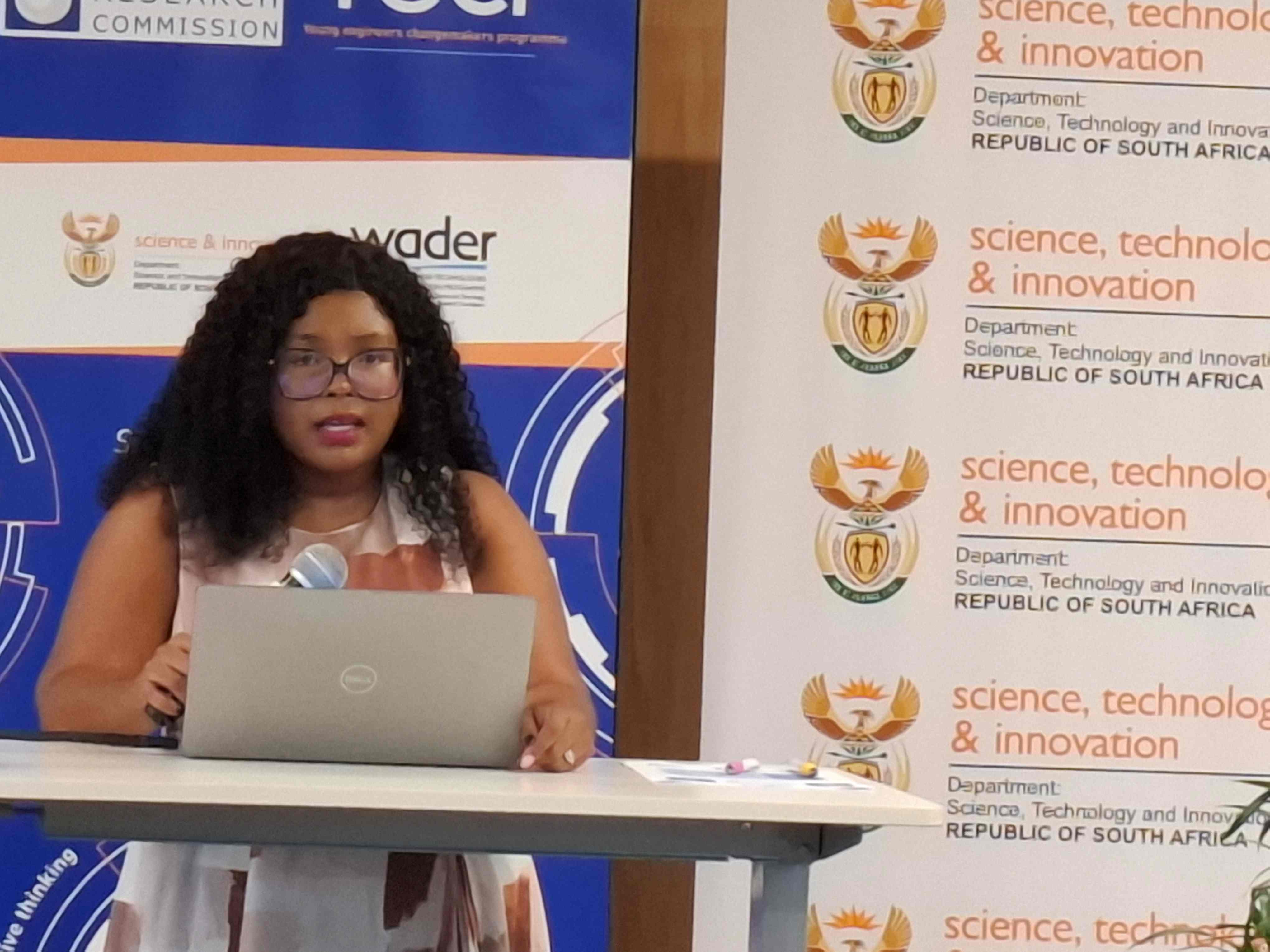
At the bootcamp, participants were given a compelling presentation on South Africa's transition to a circular economy through science, technology and innovation (STI). Delivered by Ms Alinah Mthembu, Acting Director: Environmental Services and Technologies at the DSTI, the presentation offered deep insights into the Department's strategic direction and the role of young engineers in building a sustainable future.
Anchored in the DSTI's vision of "increased well-being and prosperity through science, technology and innovation," the session explored the Department's Decadal Plan and its emphasis on modernising key economic sectors like mining, manufacturing and agriculture through circular economy approaches.
"The circular economy provides a means to implement a just transition for South Africa," noted Ms Mthembu. "It's about unlocking socio-economic opportunities, meeting our international climate commitments, and making significant progress towards the Sustainable Development Goals."
Participants were introduced to the key drivers of the transition to a circular economy, ranging from resource scarcity and climate mitigation to halting biodiversity loss and supporting economic recovery. The presentation showed that STI was central to this transition and underpinned solutions designed to reduce waste, keep materials in use and regenerate natural systems.
Ms Mthembu emphasised that the circular economy was not an academic discipline in itself but a multidisciplinary systems approach requiring collaboration across design thinking, socio-economic systems and adaptive innovation.
"Transforming an economy is a complex undertaking," she said. "It will require radical shifts in how we operate at all levels to make the transition toward a more climate-resilient and inclusive South Africa."
The presentation highlighted the Department's existing initiatives supporting the shift, including the Circular Economy Demonstration Fund, which was launched in May 2023 to scale up circular interventions through partnerships between higher education institutions, science councils and the private sector. The fund currently supports eight projects in priority sectors identified in the STI Decadal Plan.
One project is the field demonstration of biodegradable mulch films in South Africa, which is implemented by the Council for Scientific and Industrial Research (CSIR), an entity of the DSTI, with Elizade University in Nigeria, as part of the United Kingdom's Sustainable Manufacturing and Environmental Pollution (SMEP) Programme. The project aim is to develop fully biodegradable mulch films, with customised biodegradation rates for different climatic conditions. The project aims to contribute to technological solutions to the plastics problem in world, particularly in SMEP beneficiary countries.
As the YECP bootcamp encourages young engineers to become changemakers, the message was clear; STI is not just a tool for innovation, it is a pathway to sustainability, inclusivity and long-term prosperity for South Africa.
Prof. Stanley Liphadzi, Group Executive Manager: Research and Development at the Water Research Commission (WRC) and Adjunct Professor at the University of Venda, provided an overview of the WRC and discussed research topics related to water availability. One topic was dealing with the presence and accessibility of both brackish and freshwater resources in a specific area, as well as the quality, reliability and distribution of such resources.
Liphadzi also indicated that the WRC continued to focus on ensuring that its research, development and innovation inputs produced relevant outputs that could be used to make an impact. Its outputs included innovations, knowledge solutions and human capital development, including building skills in the water industry and supporting youth innovators.
Dr Valerie Naidoo, Executive Business Development and Innovation Manager: Water Advisory at the WRC, gave an overview of the South African water industry, stating that increased urbanisation and industrial practices were affecting the quality of the country's already restricted water resources.
"It is therefore imperative that we think innovatively. South Africa's water industry faces significant challenges, including climate change, digital transformation, economics, and a shifting engineering paradigm, with demand expected to surpass supply by 2030," she said.
One of the 2024 YECP participants, Ms Lerato Mabula, encouraged the current cohort to look for possibilities in the engineering field and to apply what they learnt from the programme in their workplaces. She encouraged women engineers not to be intimidated in a traditionally male-dominated field. Ms Mabula is now the City of Ekurhuleni's Senior Manager for Strategic and Functional Planning: Water and Sanitation.
Ms Galaletsang Keebine, a data scientist at the National Research Foundation's South African Environmental Observation Network, talked about the South African Risk and Vulnerability Atlas (SARVA) and encouraged young engineers to use it, particularly those from small municipalities, which do not use it as often as metropolitan municipalities.
SARVA is a DSTI initiative to address global change. It is currently in its third phase of implementation, focusing on improved access to ecological, economic and human settlement data, and the development of decision-support tools that can be used to assist with evaluating and managing the risks associated with global change.