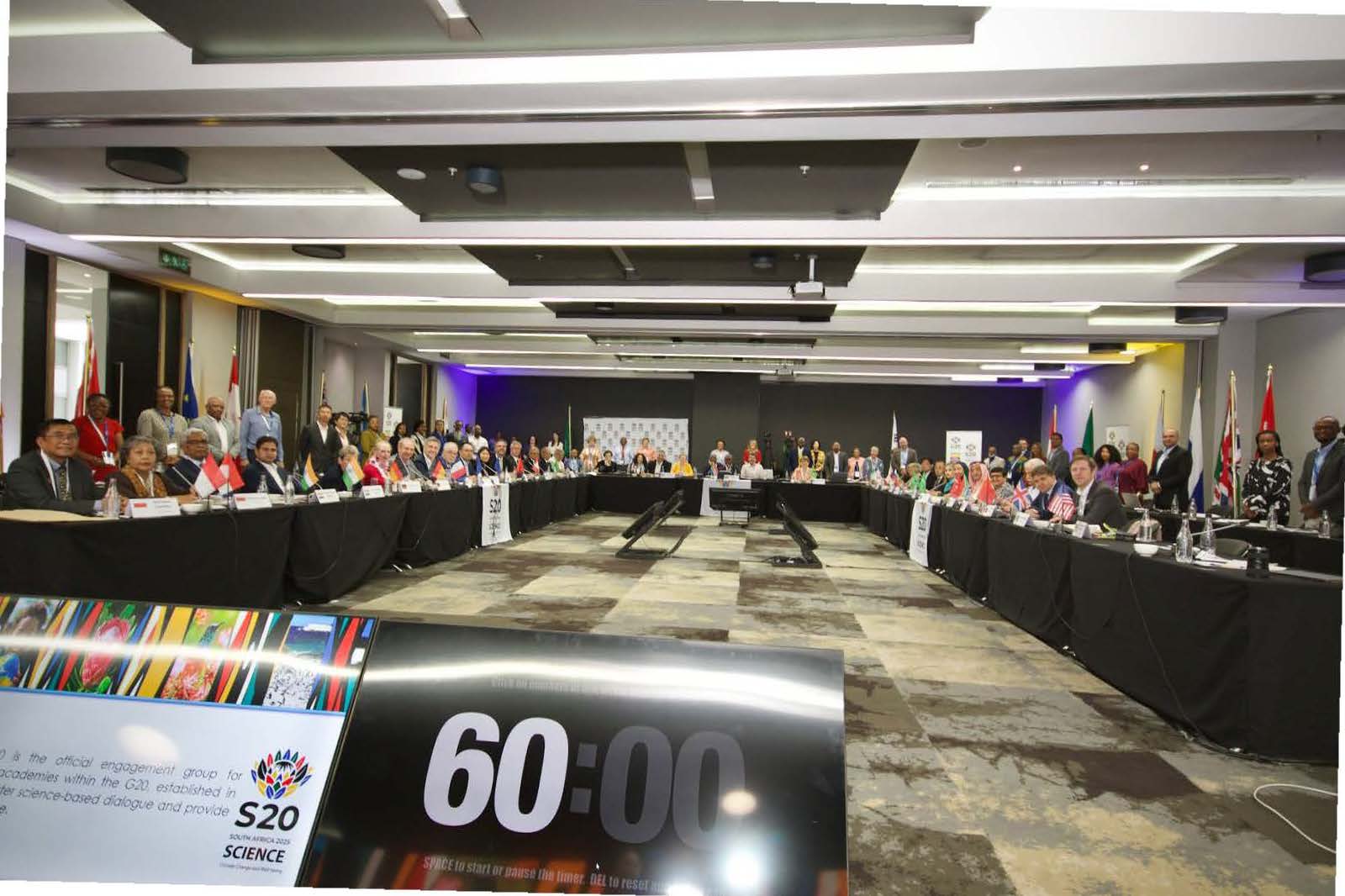

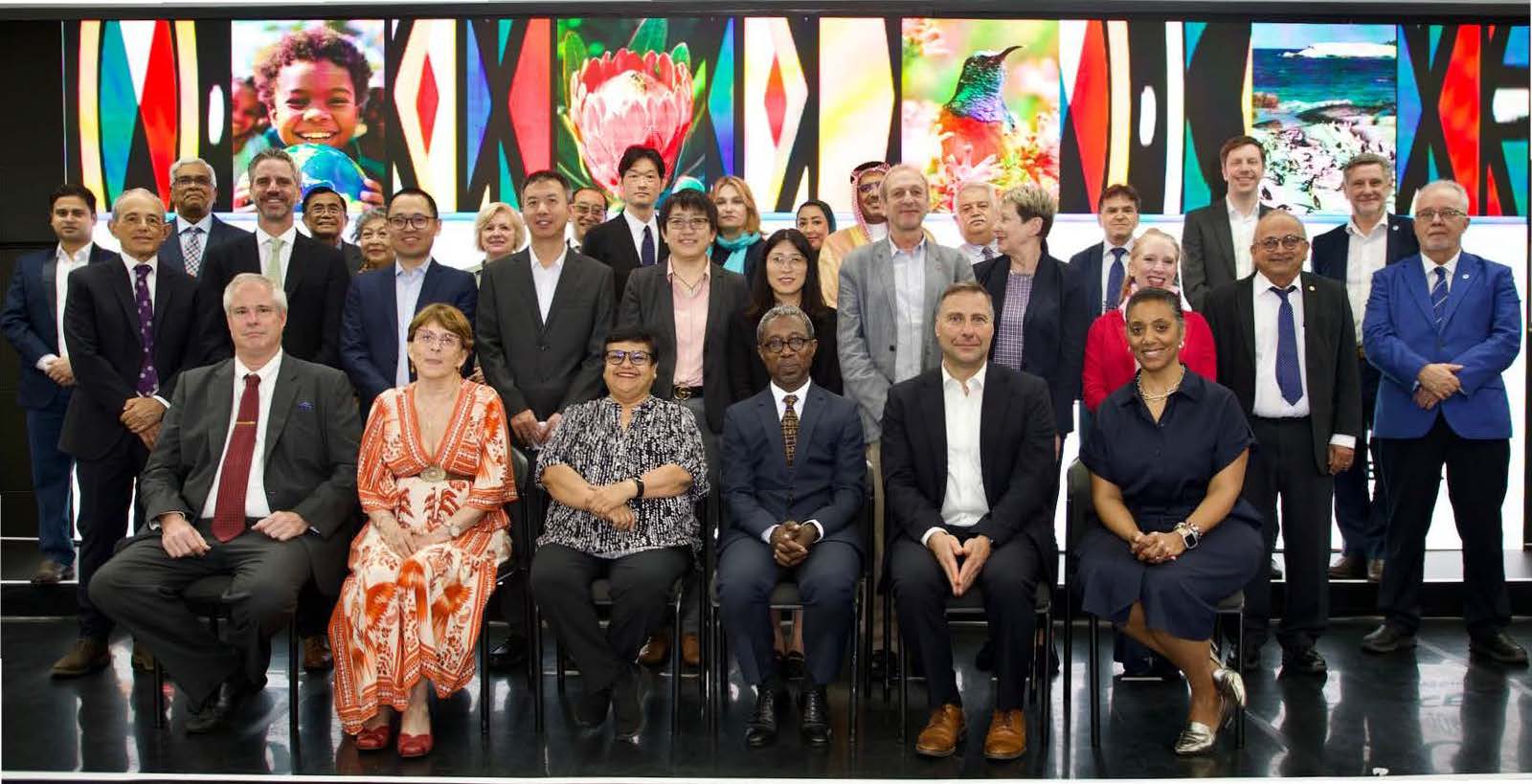
Science20 meeting highlights the role of science in tackling climate change
Rising global temperatures, prolonged droughts and the increasing prevalence of disease are some of the devastating impacts of climate change, said Prof. Thokozani Majozi, president of the Academy of Science of South Africa (ASSAf) Council, at last week's Science20 (S20) meeting in Pretoria.
From wildfires in the Americas and Australia to catastrophic flooding in Europe and Asia, no region is immune. "Climate change does not recognise national boundaries, making international scientific cooperation not just beneficial but essential," he said.
The theme of the meeting, "Climate change and well-being", underscores one of the most urgent challenges of our time.
"This issue transcends borders, economies and political systems. The evidence is unequivocal: our climate is changing at an unprecedented rate due to human activities," warned Prof. Majozi.
S20 is the official engagement group for science academies within the G20 to foster science-based dialogue and provide policy advice. Established in 2017, its mission is to promote scientific cooperation and ensure that scientific perspectives influence G20 decisions on global challenges.
Under South Africa's G20 presidency, three foundational themes guide both political and scientific discussions: solidarity, equality and sustainable development.
He recalled President Cyril Ramaphosa's reminder at the recent G20 foreign ministers' meeting that, "just as cooperation supported the progress of early humans, our modern-day challenges can only be resolved through collaboration, partnership and solidarity".
He outlined key responsibilities for the scientific community. They include (i) advancing scientific understanding of climate systems and their impact on human health and welfare; (ii) communicating complex scientific findings in ways that inform both policymakers and the public; (iii) fostering interdisciplinary collaboration across natural sciences, social sciences and the humanities; (iv) nurturing the next generation of scientists equipped to tackle these multifaceted challenges; and (v) ensuring that indigenous and local knowledge systems are integrated with conventional scientific approaches.
"We are not merely repositories of knowledge but active participants in shaping how that knowledge is applied to real-world challenges," Prof. Majozi asserted.
Led by ASSAf, this year's S20 gathering is particularly significant, as it marks the first time the G20 is hosted on the African continent. The event also follows the recent admission of the AU as a full member of the G20, reinforcing Africa's role in shaping global policy.
The Minister of Science, Technology and Innovation, Prof. Blade Nzimande, addressed the meeting virtually and called for global scientific cooperation and evidence-based policymaking.
Minister Nzimande highlighted the synergy between the S20 theme, "Climate change and well-being", and South Africa's overarching G20 theme of "Solidarity, equality and sustainability".
"These themes do not merely serve as reminders of the urgent need for science-driven policy responses to challenges such as climate change, biodiversity loss and global inequality," he said. "They also highlight that today's fundamental challenges are interconnected, demanding multidisciplinary approaches, collaboration and decisive science-based action."
Minister Nzimande outlined key science, technology, and innovation priorities that will define South Africa's G20 leadership.
These include, among other things, strengthening pandemic preparedness capacity; advancing research and development in emerging technologies, particularly artificial intelligence, and their integration into key economic sectors such as energy, agriculture, mining, health, and the digital economy; and developing critical and high-end skills, including through the Presidential PhD Programme.
The Minister emphasised the crucial role of the S20 meeting in shaping the broader G20 Research and Innovation Working Group discussions, which will culminate in a ministerial meeting in September 2025.
"I encourage the delegates of this forum to actively shape the substance and discussions of the September Ministerial meeting," he urged.
The Minister expressed his confidence in the participants' ability to contribute meaningful insights and solutions to climate change and well-being agenda.
"Given the wealth of knowledge present at this meeting, I have no doubt that the outcome of your deliberations will significantly contribute to our understanding and action on climate change and well-being", he stated.
Prof. Helena Nader, president of the Brazilian Academy of Sciences, applauded South Africa for highlighting the topic of climate change and well-being, especially considering recent global floods and storms.
Dr Vaughan Turekian, executive director of the US National Academies' Policy and Global Affairs Division, praised G20 members' long history of collaboration and expressed his desire for it to expand it through the S20. Both Prof. Nader and Dr Turekian were speaking as members of the G20 troika, which comprises representatives of the current, previous (Brazil) and next (USA) G20 presidencies.