
SA's progress in space science highlighted at second national conference
South Africa has made remarkable progress in science, technology and innovation since apartheid ended.
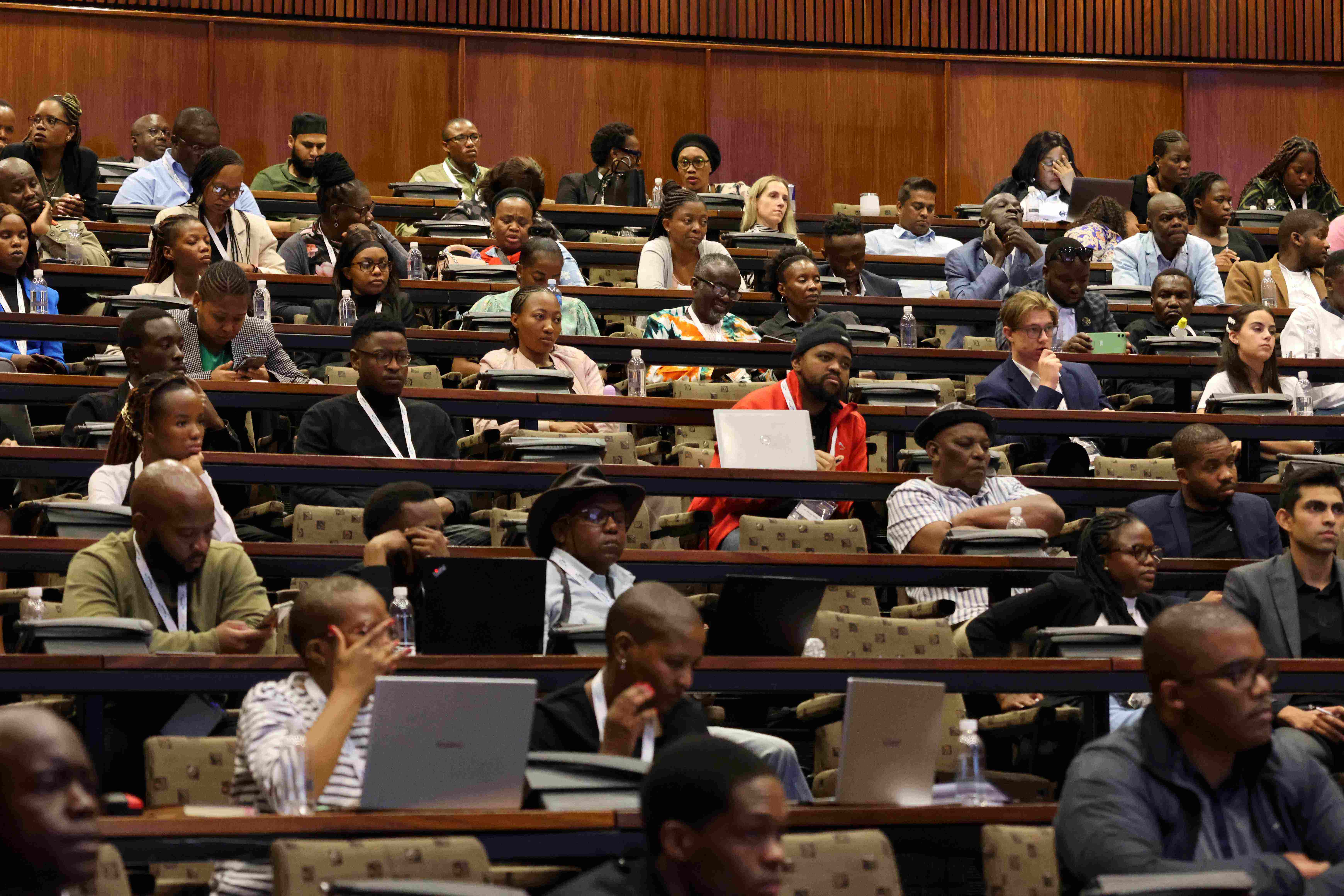
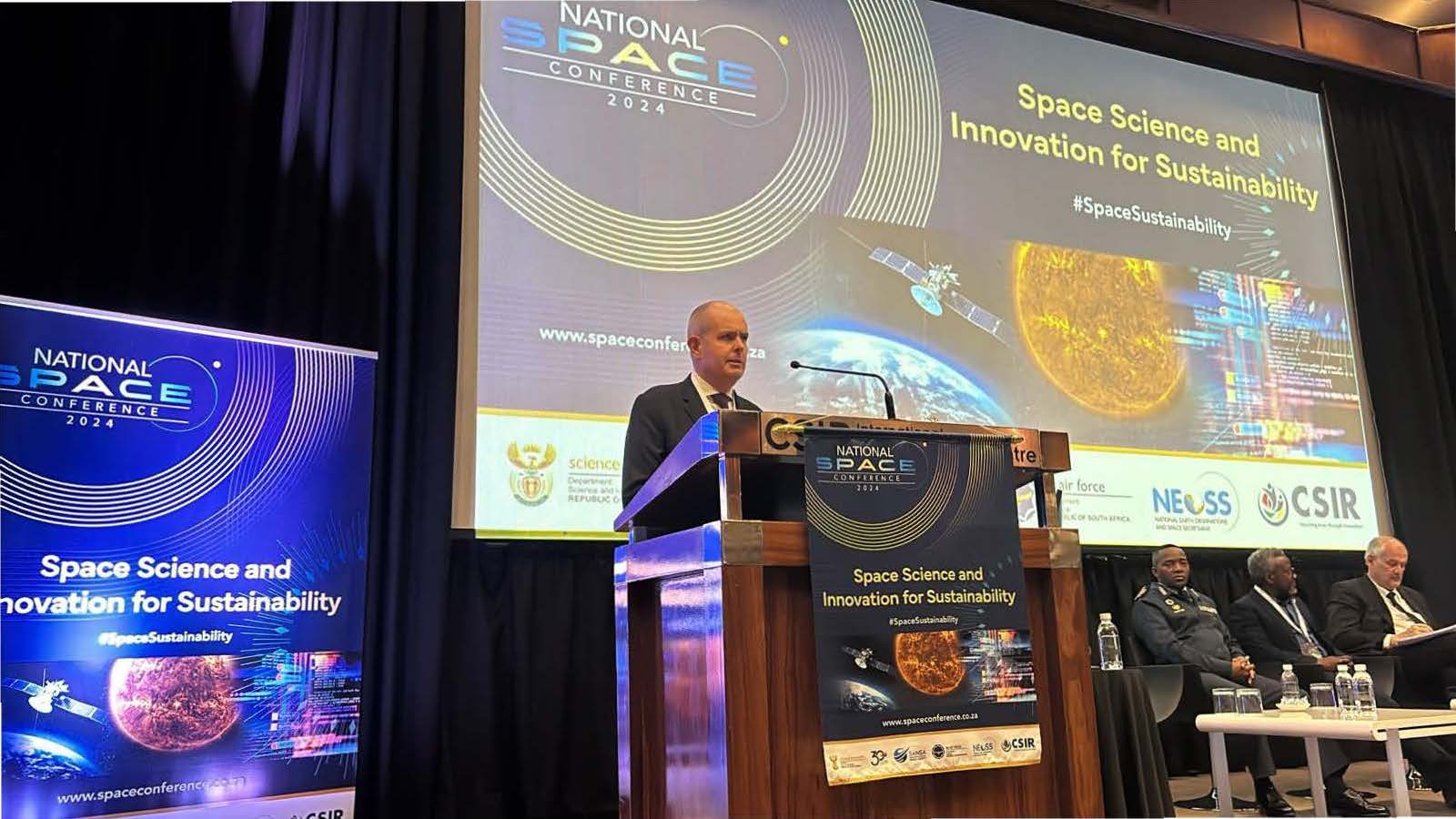
The maturity of the country's space science capabilities was affirmed at the second National Space Science Conference, which opened in Pretoria on Wednesday, 28 August under the theme "Space Science and Innovation for Sustainability".
Speaking at the event, the Acting Director-General of Science and Innovation, Mr Daan du Toit, reflected on how far South Africa had come in the past 30 years.
"South Africa has transformed its space science landscape from one of potential to a beacon of excellence on the African continent," said Mr du Toit.
The establishment of the South African National Space Agency (SANSA), a Department of Science and Innovation entity, in 2010, was a pivotal moment in the country's post-1994 journey.
SANSA has played a critical role in coordinating and implementing the country's national space programme, advancing space science and technology and engineering in both the public and the private sectors.
It plays a crucial role in disaster management, environmental monitoring and national security through its Earth observation programme. Its activities include satellite development and space weather monitoring.
South Africa's advancements in space science are important not only because of the skills developed and the technological achievements, but also because they are driven by a deep commitment to leveraging space-based technologies for socio-economic development, scientific research and global collaboration.
South Africa's journey into satellite development began with the launch of SunSat in 1999, followed by SumbandilaSat in 2009. These micro-satellites were key milestones in building local expertise and capabilities in satellite engineering..
The country has invested significantly in developing human resources in space science and technology. Universities across the country offer specialised programmes in space science, satellite engineering and astrophysics, and are building a skilled workforce that can contribute to both national and international space initiatives.
The Square Kilometre Array megaproject, one of the world's most ambitious international scientific collaborations, has positioned the country as a leader in radio astronomy. This has spurred growth in related fields, including astrophysics and cosmology.
Speaking at the national conference, Mr Du Toit said, "The role of space science and technology in our national development agenda cannot be overstated. As we look to the future, space technologies will be key enablers in achieving our Medium-Term Development Framework goals. They will contribute significantly to growing the economy, eradicating poverty, and building a capable state."
The Acting Director-General highlighted the importance of maintaining the momentum gained over the past three decades, urging all stakeholders to continue pursuing the clear purpose set out by the government. He also pointed out that the transformation of the space science sector was essential to address historical imbalances in gender, race and equality, broadening opportunities for all South Africans.
"Transformation is not just a goal; it is a necessity," Mr Du Toit said. "We must continue to invest in our people, ensuring that the benefits of space science and technology reach every corner of our society. This is not only about addressing the injustices of the past but also about ensuring that we build an inclusive future where everyone has the opportunity to participate in and benefit from the space sector."
Acknowledging the growing role of the private sector, Mr Du Toit praised its contribution to the growth of South Africa's space capabilities. He also underscored the need for sustained partnerships between the government, private sector and international partners to further enhance South Africa's position in the global space community, stating that, "Together, we can ensure that South Africa not only keeps pace with global advancements but also becomes a leader in space science and technology on the continent and beyond."
The country is involved in several international space science projects, including collaborations with NASA, the European Space Agency, and the Russian space agency Roscosmos. These partnerships have enabled South Africa to participate in global space missions and benefit from technology transfer and capacity building.
The National Space Conference is organised by the National Earth Observations and Space Secretariat and SANSA in collaboration with key national partners such as the South African Air Force.
It aims to push the boundaries of knowledge and application of space and Earth observation technologies, emphasising their critical role in enhancing decision-making processes and driving societal, economic, and environmental progress.
It serves as a dynamic platform for national stakeholders from diverse backgrounds to convene, exchange ideas, and catalyse discussions on forging a sustainable space ecosystem.
The conference ends on 30 August.