
Study on peaceful uses of nuclear technology in South Africa launched
The Department of Science and Innovation (DSI) has welcomed the results of the study on nuclear technologies for peaceful uses, which launched yesterday. The DSI assigned its entity, the Academy of Science of South Africa through the South African National Energy Development Institute to commission and conduct a study to evaluate the state of research, development and innovation (RDI) with regard to peaceful uses of nuclear technologies in South Africa
The aim of the study was to support the high-level agreement between South Africa, via the Department of Mineral Resources and Energy and the International Atomic Energy Agency (IAEA), by providing a solid foundation to build a national strategic framework on peaceful uses of nuclear technologies in South Africa. An important objective of the study was to develop baseline information around the nuclear technology landscape to assist with targets and indicators for monitoring and evaluation the potential benefits of the peaceful use of nuclear technology in South Africa.
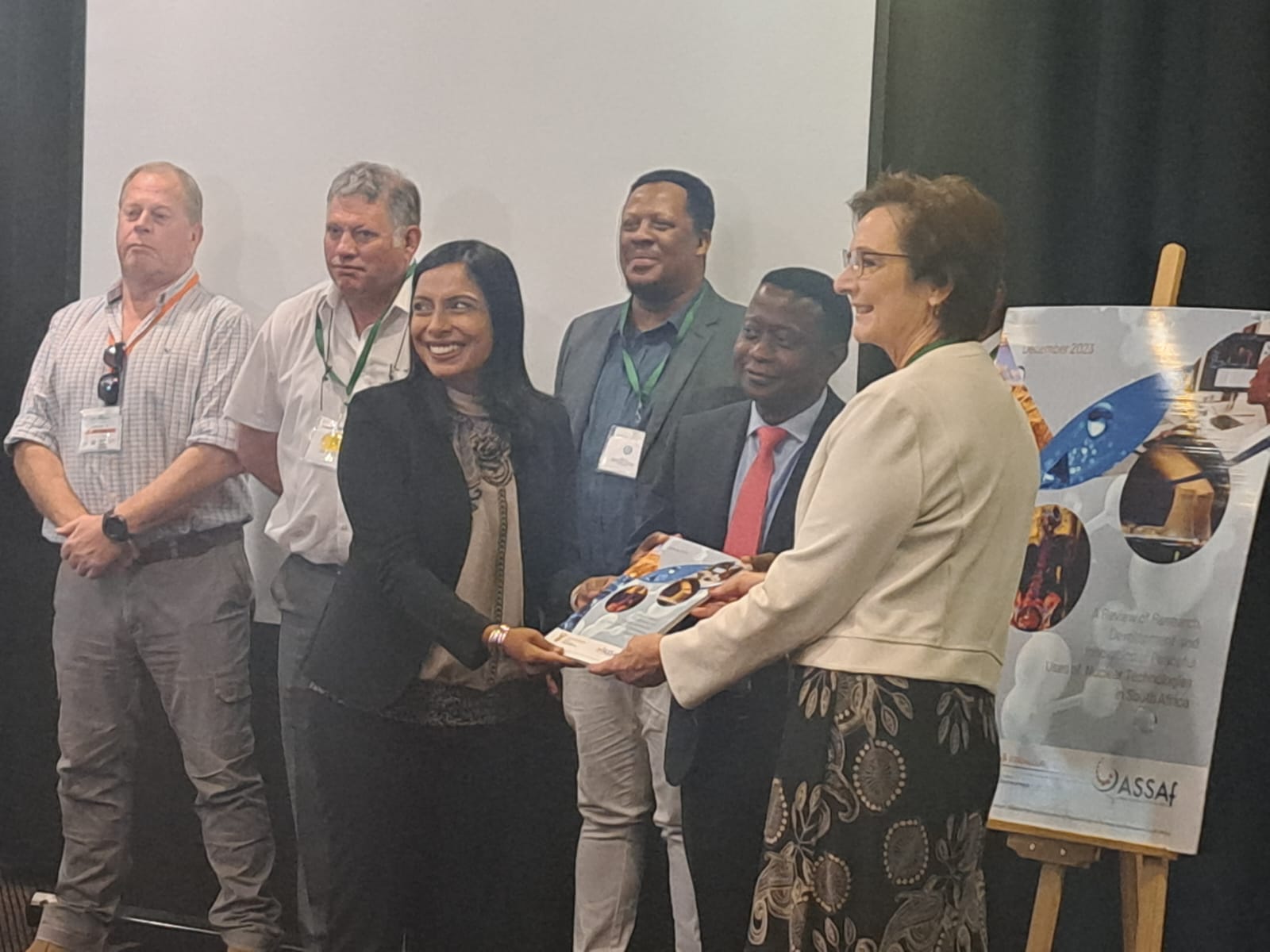
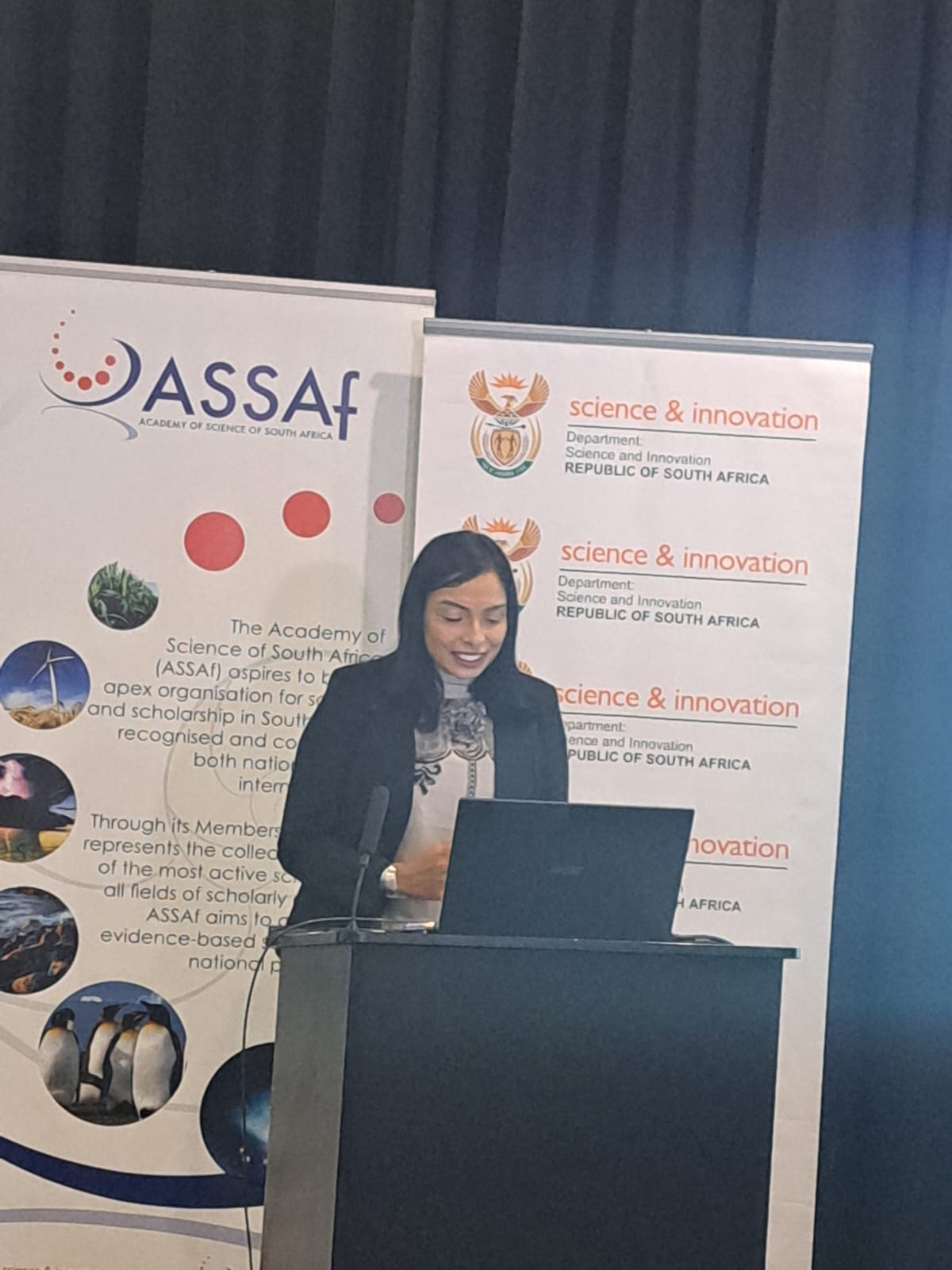
Receiving the study on behalf of the Department, Dr Rakeshnie Ramoutar-Prieschl, Acting Deputy Director-General: Technology Innovation, said the DSI has been actively supporting various aspects of nuclear-related work, with a strong focus on building the knowledge and skills base necessary for the peaceful use of nuclear RDI in South Africa.
"The value of nuclear technologies is multi-sectoral and has the potential to play a significant role in advancing South Africa's social and economic development in areas such as energy, water and environment, healthcare, agriculture and food security, among other things," said Dr Ramoutar-Prieschl.
One of the major study findings was that South Africa's participation in the IAEA through technical cooperation projects (TCPs) and coordinated research projects is sub-optimal and can be improved. This includes involvement in critical topics such as nuclear power plant lifecycles, nuclear infrastructure, land and water management (food and agriculture), nuclear fuel cycles and biodiversity loss.
While the country has several global leaders among its infrastructures, such as the iThemba Laboratories for Accelerator Based Science and South African Nuclear Energy Corporation, there are infrastructural challenges impeding nuclear technology development, RDI and nuclear economy. This is due to a lack of integration of nuclear technology planning in RDI, failure to capitalise on the strength of the highly regarded nuclear programmes of several universities, and little contribution from the private sector.
Some of the general recommendations of the study include:
- Prioritising and improving integration, collaboration and interdepartmental approaches in RDI of nuclear technologies through the establishment of a central coordinating desk.
- Increasing the number of institutions and RDI projects collaborating in the IAEA TCPs and the African Regional Cooperative Agreement for Research, Development and Training related to Nuclear Science and Technology, based on national priorities.
- Formulating a human capital development strategy for sustainable nuclear applications using existing and new interdisciplinary Centres of Excellence and South African universities.
These recommendations, while non-exhaustive, will help to develop a national strategy that articulates the priorities of the country in line with existing policy documents. The application and integration of nuclear technologies will be the research focus areas, which aim to contribute to both global and local arenas, identifying opportunities and providing avenues for building partnerships between national and international institutions and individual researchers.
The above recommendations define a South African nuclear technology RDI flagship programme. Importantly, South Africa should leverage on the strong and healthy relationship with the IAEA to address the national needs and priorities via the CPF and its individual projects.
The Department acknowledges the significant strides and investments have been made, not just because they are funded by the government but because of the far-reaching impact of these research infrastructures.
"However," says Dr Ramoutar-Prieschl, "the report also places the spotlight on a number of challenges that impede advances towards realising a sustainable nuclear economy in the country – largely due to the lack of integration of nuclear technology initiatives, uncoordinated efforts towards the planning for infrastructures, disparate efforts towards the mobilisation of resources and a failure to capitalise on the existing strengths of highly regarded nuclear programmes across various institutions. Furthermore, there are little downstream benefits, largely due to the slow progress, if any, towards getting private sector on board."
The study further advocates for communication across all levels, including public awareness and outreach, and ensuring the equitable participation from all universities and other intensive research institutions – specifically the inclusion of historically disadvantaged institutions and universities of technology.
The recommendations of the study will help guide strategic development of the nuclear RDI, improve current plans, and highlight sectorial benefits that can be derived from development and use nuclear technology in South Africa.
Issued by the Department of Science and Innovation.


