
Department of Science and Innovation opens GEO Week
The devastating impact of climate was high on the agenda at the Group on Earth Observations (GEO) Week and Ministerial Summit taking place in Cape Town from 6 to 10 November 2023.
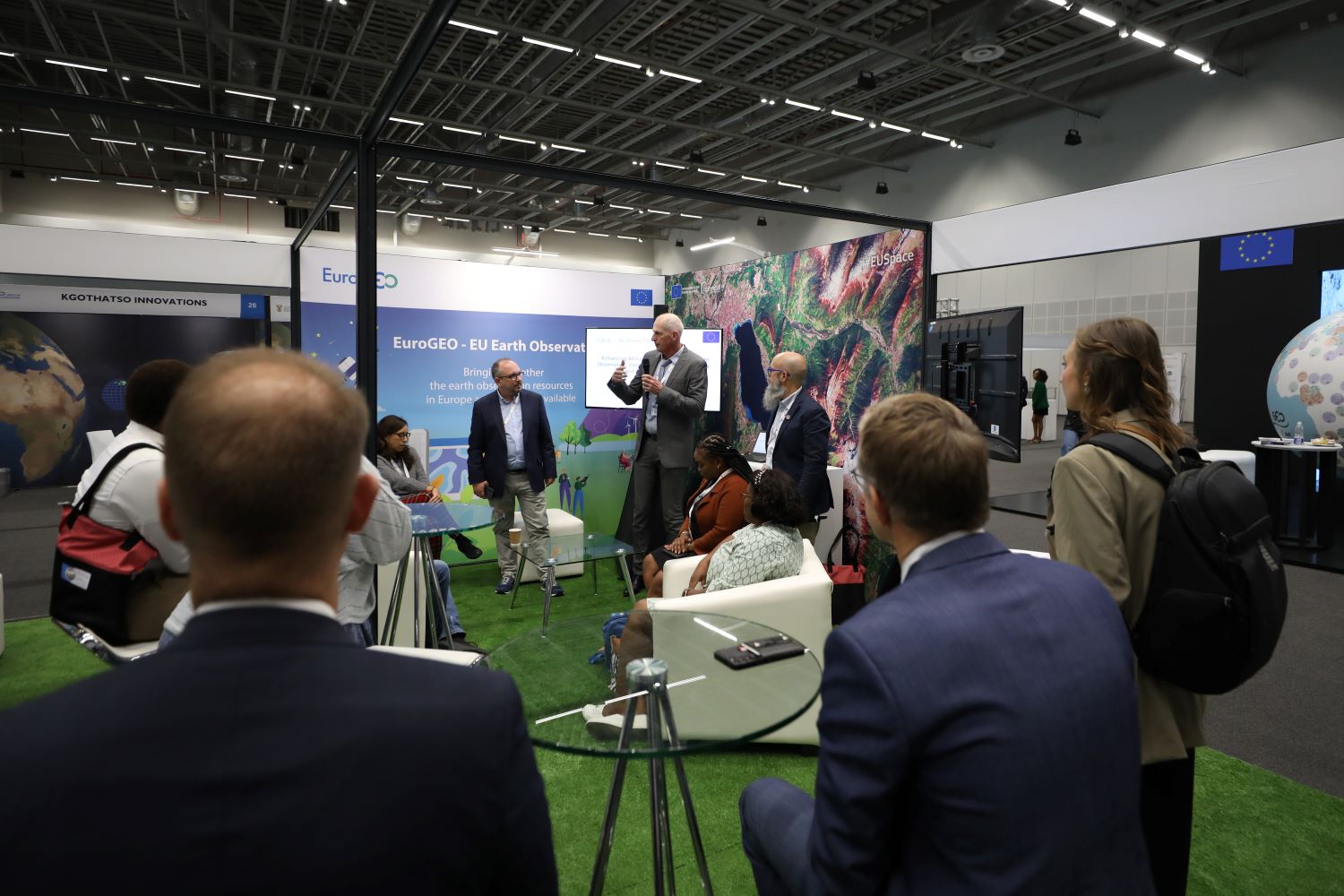
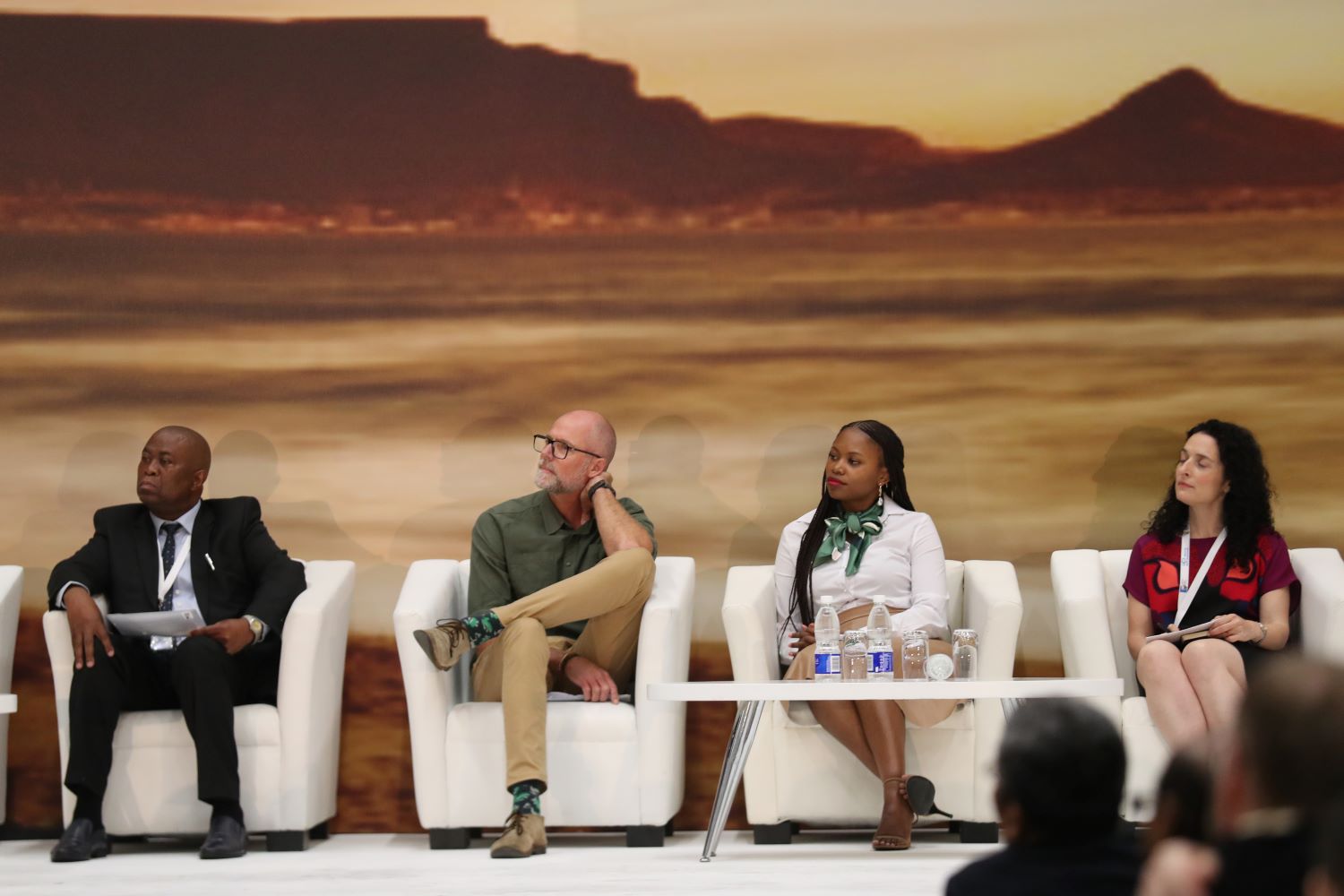
Hosted by the Department of Science and Innovation (DSI) and the Group on Earth Observations, GEO Week provided a platform for information sharing on Earth observations and how the data produced by remote-sensing satellites and other measuring tools could be applied to address the challenges humanity faces.
The gathering included experts on Earth observations and their use in managing ecosystems and energy, mitigating water insecurity and disasters, and ensuring sustainable agriculture and biodiversity conservation.
This year's theme for the annual event, "The Earth Talks", highlights how our way of life depends on the resources provided by the planet, and how we need to use Earth observation science to ensure the survival of future generations.
"As a country, we recently experienced some of the worst floods in our history, which left hundreds of people destitute. Our national response was bolstered by the support we received from GEO partners who provided satellite data to monitor the progress of floods and save lives, for which we are deeply grateful," said the DSI's Director-General, Dr Phil Mjwara.
Mjwara pointed out that the increasing pace of natural disasters was not unique to South Africa, but affected countries across the world, with fires in Australia, earthquakes in Türkiye, droughts in East Africa and hurricanes in the USA.
GEO is positioned to coordinate a global response, and countries need to produce and access data and tools that will enable them to respond to disasters, save lives and protect infrastructure.
"The South African government continues to invest in Earth observations," said Mjwara, referring to projects such as Agriculture and Food Security South Africa, the South African Modelling Network and Abiri Technologies, an SMME that uses drones. The projects provide real-time information on soil and crop conditions to farmers, track livestock in rural areas using Geographic Information System technologies and contribute to the Global Mercury Observation System.
Dr Amina Mohammed, the Deputy Secretary-General of the United Nations, commended the GEO community for its commitment to providing information that made a difference.
She explained that, to protect our planet, we needed measuring and monitoring capabilities that only Earth observations could provide.
"Geospatial technologies are key enablers in achieving the objectives of the 2030 Agenda for Sustainable Development, the Paris Agreement and the Sendai Framework on Disaster Risk Reduction" added Mohammed. "GEO's work can increase food security, enhance climate adaptation and protect lives from floods and extreme heat in the face of today's complex, multifaceted global challenges."
The Deputy Secretary-General encouraged scaling up solutions, expanding existing programmes and developing new initiatives to unlock transformative actions on the ground, emphasising that GEO could contribute to early warning systems across the world.
"This is not only a scientific endeavour, but a question of equity and justice, for the people most affected by the triple planetary crisis of climate change, biodiversity loss and pollution are the least likely to have access to quality information," she said.
The Director of the GEO Secretariat, Ms Yana Gevorgyan, said that the Group on Earth Observations coordinated global partnership, interaction and collaboration to enable inherently local solutions for the well-being and survival of humanity.
GEO had put together a strategy that called for close relationships with local communities so that traditional knowledge could be integrated with modern observation systems.
Gevorgyan assured delegates that Earth intelligence would go beyond GEO's original promise of delivering data to focusing on the provision of refined information insights and intelligence to everyone.
She said South Africa had hosted a seminal GEO Ministerial Summit in 2007. The new vision for GEO launched at this Ministerial Summit was built on 18 years of work, and marked a turning point for GEO.
"It is fitting that GEO Week will be deliberating on extending capabilities through a global heat resilience service, using all kinds of tools and observing systems, and translating the 'Earth is Talking' whisper into a loud message to be delivered to policymakers," Gevorgyan stated.