
South African HIV/AIDS researchers scoop prestigious Strait of Magellan Award
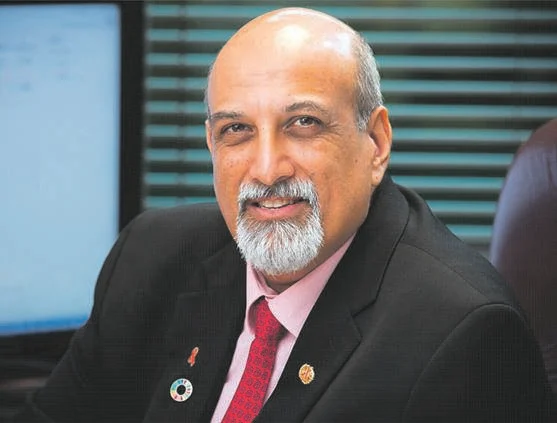
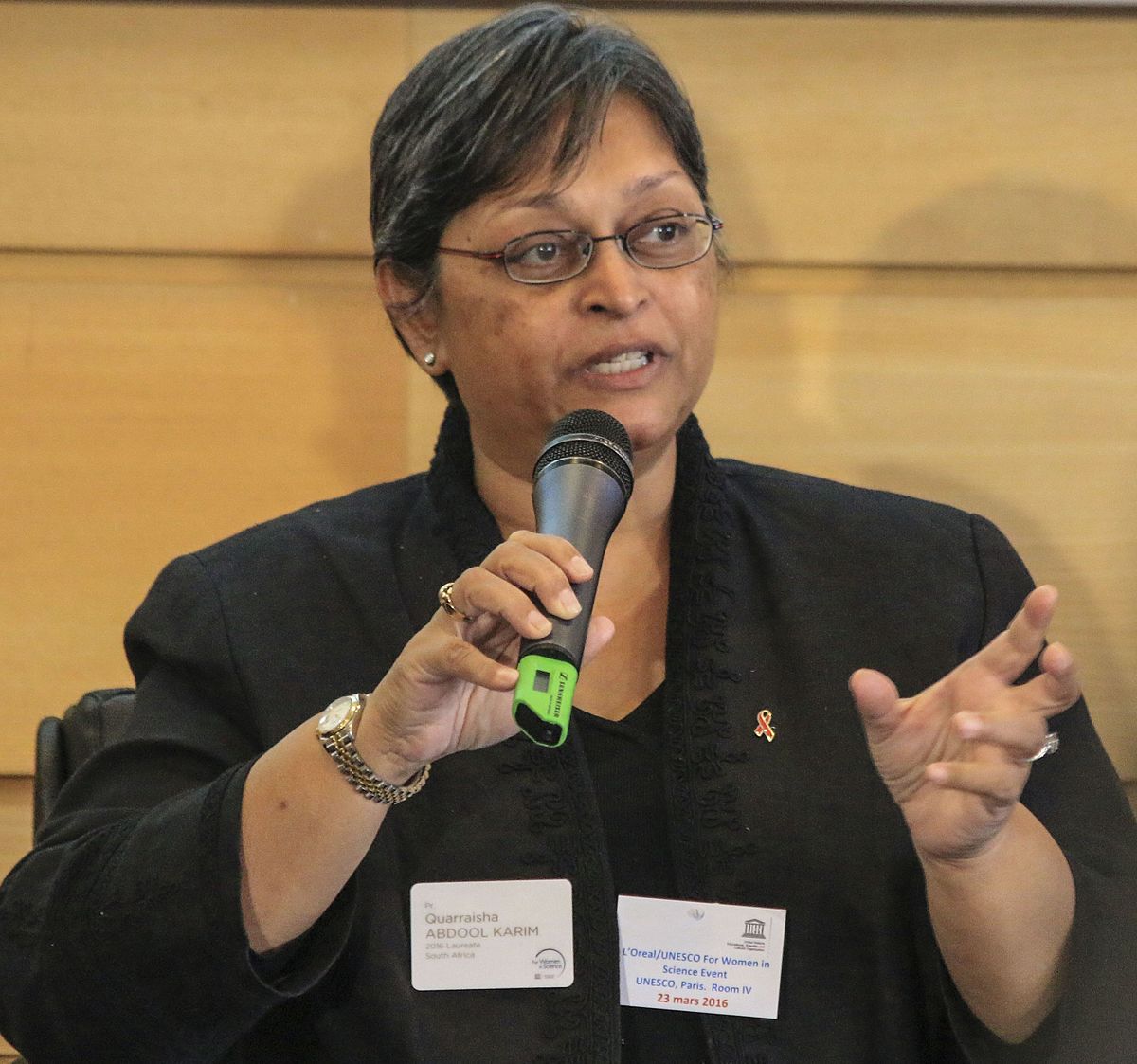
Renowned South African HIV/AIDS researchers and epidemiologists, Professors Quarraisha Abdool Karim and Salim Abdool Karim, have received yet another accolade, this time from the government of Chile, for their research in HIV prevention and treatment.
The 500 Years of the Strait of Magellan Award is an initiative of the government of Chile to honour the 500th anniversary of the beginning of explorer Ferdinand Magellan's historic journey around the Earth, which was completed by Sebastián Elcano.
According the Chilean ambassador to South Africa, Francisco Berguño, Chile commemorates this date through the recognition of innovators who, through their research or actions, have contributed to providing solutions to global needs.
"This initiative also seeks to recognise innovation and entrepreneurship, with the aim of building a better world together, as well as bringing Chile closer to the field of international interest and thus strengthening ties of collaboration," Berguño said.
Professors Quarraisha Abdool Karim and Salim Abdool Karim both work at the Centre for the AIDS Programme of Research in South Africa (CAPRISA), as Associate Scientific Director and Director respectively.
CAPRISA is a designated UNAIDS Collaborating Centre for HIV Prevention Research and Policy, as well as the secretariat for the UNAIDS Scientific Expert Panel. The centre seeks to undertake globally relevant and locally responsive research that contributes to understanding HIV pathogenesis, prevention and epidemiology, as well as the links between tuberculosis (TB) and AIDS care.
The centre counts among its accomplishments the ground-breaking results of the CAPRISA 004 Tenofovir gel study, which provided evidence that antiretroviral drugs can prevent sexual transmission of HIV, and the CAPRISA 002 study on acute HIV infection, which helped to understand the way in which HIV escapes the body's immune response and how this affects the timing of when HIV patients progress to AIDS disease.
In April this year, the two professors were also jointly awarded the John Dirks Canada Gairdner Global Health Award, which recognises the world's most creative and accomplished biomedical scientists who are advancing humanity and the world. And in June, Prof. Quarraisha Abdool Karim received the prestigious Christophe Mérieux Prize, which comes with a €500 000 cash award to support research into infectious diseases in developing countries.
Chile has long been a contributor to HIV prevention programmes, including some in South Africa, through its contribution to UNITAID, a global health initiative founded in 2006 by Brazil, Chile, France, Norway and the United Kingdom. It works with partners to bring about innovations to prevent, diagnose and treat major diseases in low and middle-income countries, with an emphasis on TB, malaria, and HIV/AIDS and its deadly co-infections.
Ferdinand Magellan was a Portuguese explorer who organised the Spanish expedition to the East Indies from 1519 to 1522, resulting in the first circumnavigation of the Earth. Through the 500 Years of the Strait of Magellan Award, Chile seeks to highlight aspects of Magellan's journey that can be viewed in parallel with the innovations and discoveries of the contemporary world.