
Local knowledge must be harvested for development,science experts say
Integrating local knowledge into research could expedite solutions to global challenges such as disease, poverty and climate change. These were the thoughts of scientific experts attending the EuroScience Open Forum 2016 (ESOF 2016) currently under way in Manchester in the United Kingdom.
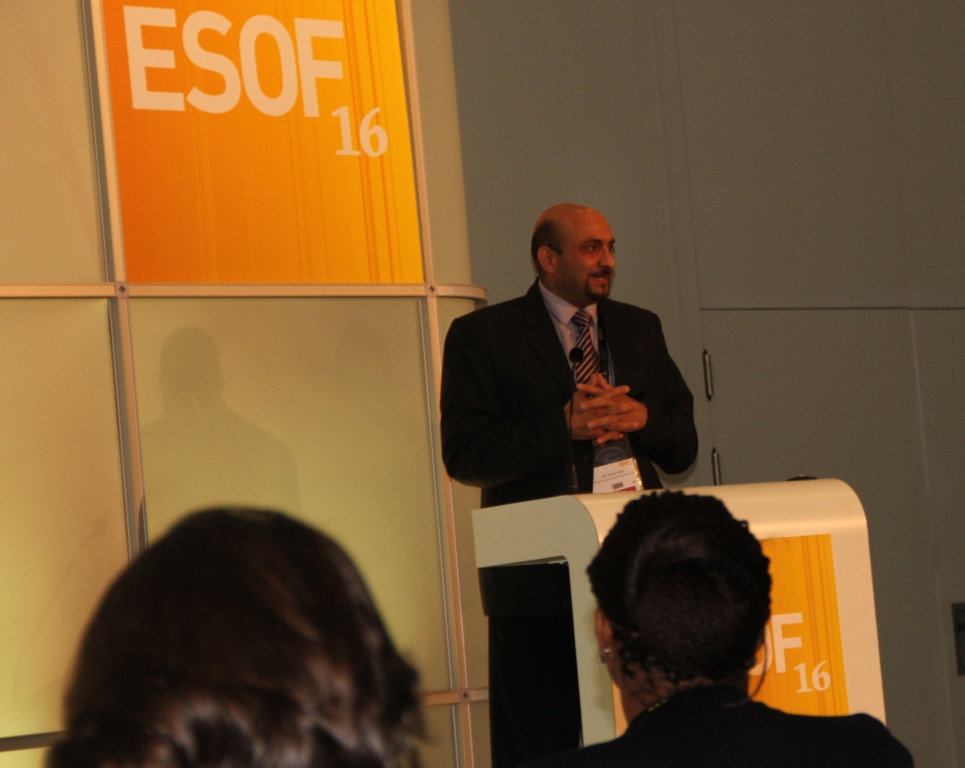
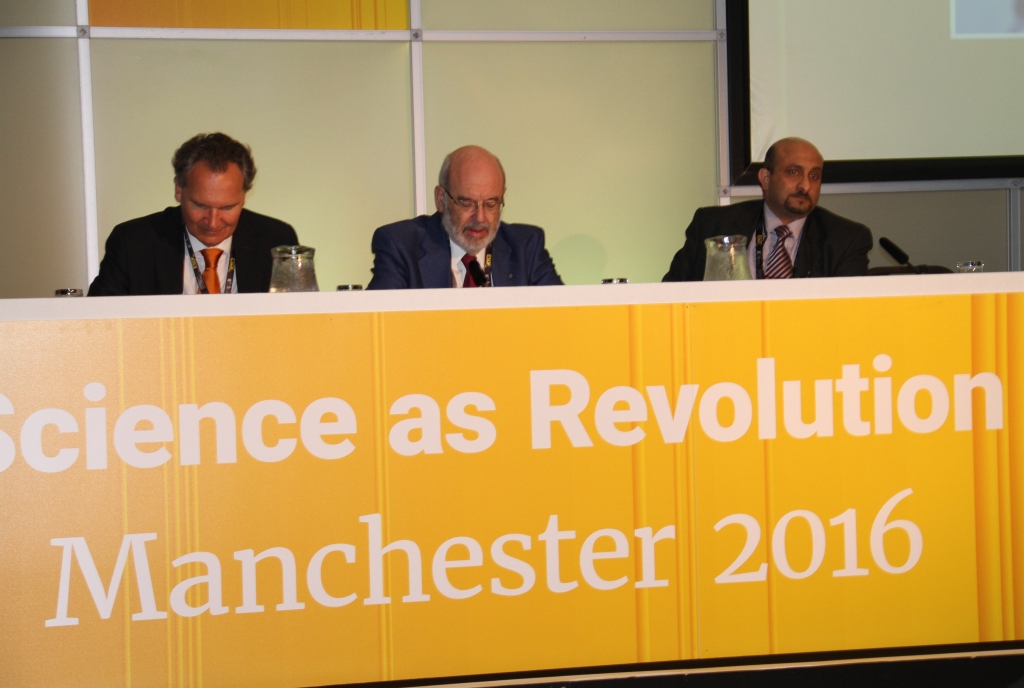
The biennial event is serving up an array of topics that are attracting robust discussion. Yesterday a panel of eminent speakers deliberated on the question "Can science, technology and innovation (STI) help eradicate poverty and secure sustainable development?" The panel included Imraan Patel, Deputy Director-General: Socio-economic Innovation Partnerships at the Department of Science and Technology (DST);Sir Peter Gluckman, Chief Science Advisor to the Prime Minister of New Zealand; and Mr Robert-Jan Smits, Director-General for Research and Innovation at the European Commission.
Gluckman pointed out that the decisive defeat of global challenges required the concerted integration of local and scientific knowledge, adding that it was time for the world to recognise that there were different kinds of sciences and scientific expertise, and that all of them should be used together towards development and problem-solving.
"We believe that indigenous knowledge needs to be integrated with science for disaster risk reduction, climate change and disease," he said, giving some examples of where such integration would have a significant impact.
The world has set itself the task of eradicating poverty and hunger once and for all by 2030. To achieve this, it will be necessary to combat inequalities and create conditions for sustainable, inclusive and sustained economic growth.
South Africa is increasingly offering support mechanisms, investing in indigenous knowledge systems (IKS), and in research and development. For example, the DST annually invests millions in promoting and supports research into IKS, and its role in science, innovation and community life. The development of African traditional medicines, cosmeceuticals and nutraceuticals are part of this programme.
Multinationals Nestlé and L'Oréal are among the companies working with government on research into treatments for hair loss, and the development of a proper value train for the use of Moringa as a nutritional product.
The DST's Imraan Patel was adamant that science, technology and innovation could and should play a central role in development globally. However, he highlighted the importance of international partnerships, saying that these were crucial if the Sustainable Development Goals were to be achieved.
"We must develop solutions to our challenges," he said, adding that building partnerships was strategically important, not only for South Africa, but for Africa as a whole. Investment in education, with a major focus on science, technology and innovation, was also required.
Mr Robert-Jan Smits said tackling urgent issues and sustainable development was a challenge common to the European Union and Africa.
"We recognise that there is a need for the world to focus on a reduced number of common challenges.Increasing cooperation in this area could not only improve access to food production and combating illness, but also boost evidence-based solutions," he said.
Themed "Science as Revolution", ESOF 2016 is one of the best opportunities for leading scientists, early careers researchers, business people, policy makers, science and technology communicators and the general public to come together to find out more about how science is helping us advance today.